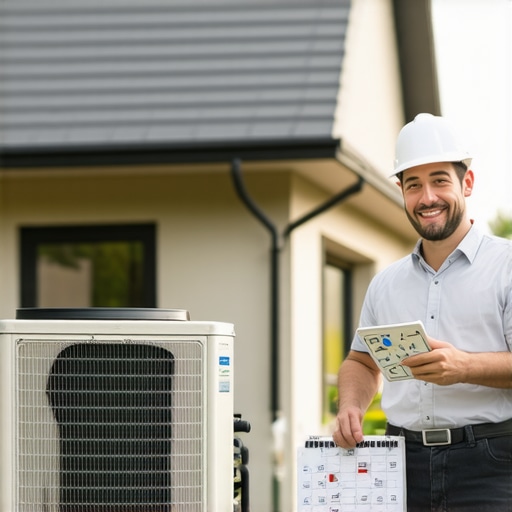
The 2026 Regulatory Cliff: Why Your Next Unit Isn’t Just an Appliance
My old mentor, a grizzled tin knocker who’d forgotten more about static pressure than most ‘Sales Techs’ will ever learn, used to scream at me in the middle of a frozen January: ‘You can’t move heat you can’t touch!’ He was talking about airflow, the absolute king of the mechanical room. Whether you’re dealing with a complex solar thermal heating integration or a simple baseboard heater repair, the physics of heat transfer don’t care about your feelings or your budget. As we barrel toward 2026, the HVAC industry is hitting a wall of regulatory changes. The ‘gas’ we’ve used for decades, R-410A, is being phased out for A2L refrigerants like R-454B. This isn’t just a part number change; it involves new sensors, different thread patterns for gauges, and a slight increase in flammability that has the industry on edge. If you are sitting there with a 15-year-old air handler that sounds like a rock tumbler, 2026 is the year the math finally forces your hand. With 0% financing becoming the standard bridge for these high-efficiency transitions, getting a two-stage furnace installation or a cold-climate heat pump isn’t just about comfort—it’s about dodging the price spikes of a disappearing refrigerant supply.
“The most expensive equipment in the world cannot overcome a bad duct system.” – Industry Axiom
The Physics of the Northern Freeze: Heat Pumps in the Polar Vortex
In the North, we deal with the ‘Sensible Heat’ struggle. When the ambient temperature drops to -10°F, a standard heat pump from ten years ago would give up the ghost, leaving you to rely on expensive electric strip heat. But the 2026 generation of cold-climate heat pumps is a different beast. We’re talking about vapor-injection technology that allows the compressor to keep its ‘juice’ flowing even when the air outside feels like the dark side of the moon. This is where air handler repair and control board diagnostics become critical. If your control board isn’t communicating correctly with your smart thermostat setup, you might be running your backup heat when you don’t need to, burning money for no reason. I’ve seen homeowners try to DIY their way out of a 24/7 heating emergency response call, only to fry a transformer because they didn’t understand the low-voltage common wire. Trust me, the ‘Sparky’ down the street might know how to wire a light switch, but he doesn’t know the logic gates of a variable-speed blower motor.
“Standard practice for residential load calculations shall follow the procedures outlined in Manual J.” – ACCA Manual J Section 1
Step 1: The Forensic Load Calculation
The first step to snagging that 0% financing for a 2026 install isn’t picking a brand; it’s the Manual J. Most guys will walk into your house, look at your old unit, and say, ‘Yeah, looks like a 3-ton. Let’s put a 3-ton back in.’ That is the mark of a hack. An oversized unit is the enemy of comfort. In the summer, it ‘short cycles,’ meaning it cools the air so fast it never has time to pull the humidity out. You end up in a cold, clammy swamp. In the winter, it blasts hot air and then shuts off, leading to those annoying ‘hot and cold’ spots. Before you sign any financing paperwork, ensure your tech is looking at your windows, your insulation, and your heat recovery ventilators. If they aren’t checking the smart building management compatibility, they are just selling you a box, not a system. You want to make sure you’re choosing the right HVAC fixes before committing to a full replacement.
Step 2: Selecting the Hybrid Strategy
For my folks in the Northeast or Chicago, a ‘dual-fuel’ setup is often the smartest play. This pairs a high-efficiency heat pump with a two-stage furnace installation. The heat pump handles the mild days (above 30°F) with incredible efficiency, while the furnace kicks in when the real ‘Polar Vortex’ arrives. If you are looking at biomass boiler services or even solar thermal heating integration, you’re playing the long game. These systems are about reducing your ‘carbon footprint,’ sure, but they’re really about energy independence. When the grid is stressed and everyone else is paying 4x for natural gas, the guy with the integrated biomass system is sitting pretty. Understanding heating service innovations is vital here; the technology moving into 2026 is lightyears ahead of the ‘pookie’ and tape jobs of the 90s.
Step 3: The ‘Suction Line’ Verification and Commissioning
The third step is the install day, and this is where 90% of systems are ruined. A heat pump is a sealed system. If a tech doesn’t pull a proper vacuum (down to 500 microns) or fails to use a nitrogen purge while brazing, those copper pipes will develop internal scale. That scale eventually finds its way to the expansion valve, and suddenly your brand-new 2026 unit is a $12,000 paperweight. I always tell homeowners: watch the tech. If they aren’t using a digital micron gauge, they are cutting corners. Once it’s running, the ‘suction line’ (the big insulated pipe) should be ‘beer can cold’ in cooling mode, and in heating mode, that liquid line should be pushing some serious heat. This is the time to verify control board diagnostics to ensure the staging is working. Don’t let them leave until you see the smart thermostat setup communicating with the outdoor unit. This level of preventative HVAC repair starts on day one. If the install is sloppy, no amount of ‘service hacks’ will save you later.
The Final Word on 2026 Financing
The 0% financing offers for 2026 aren’t just marketing fluff; they are a response to the fact that new A2L-ready equipment is 15-25% more expensive due to the added sensors and safety protocols required for the new ‘mildly flammable’ refrigerants. It’s a ‘pay now or pay later’ scenario. You can keep nursing that old unit with expensive baseboard heater repair or frequent air handler repair, or you can leverage the financing to lock in a system that won’t be obsolete by the time the next EPA mandate rolls around. Whether you need a 24/7 heating emergency response today or you’re planning for next year, remember: airflow is king, and physics doesn’t negotiate. Check out the ultimate guide to AC installation to see how these heat pump transitions are changing the game for every homeowner.