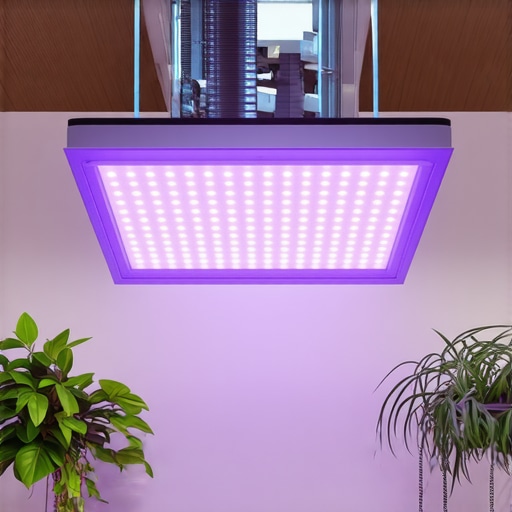
I remember my old mentor, a grizzly guy we called ‘Static Steve,’ used to stand over a rattling return air grill and scream, ‘You can’t treat what you can’t catch, and you can’t cool what you can’t touch!’ To him, airflow wasn’t just a part of the job; it was the entire job. He’d whack you with a clogged 1-inch pleated filter if you dared suggest a system was ‘low on juice’ before checking the static pressure. That lesson stuck. Most homeowners today are breathing in a soup of skin cells, pet dander, and fungal spores because they treat their HVAC system like a toaster—something that just works until it doesn’t. But as we crawl into 2026, the game is changing. The ‘sealed’ homes of the North, designed to trap heat during a polar vortex, are also trapping biological contaminants. If you’re waking up with a crusty nose and a scratchy throat, your air handler is likely acting as a petri dish. Here is the technical reality of why UVC technology, paired with the right hardware, is the only way to kill the invisible nightmare in your ducts.
1. DNA Disruption: The Physics of the 254nm Wavelength
When we talk about UV light in an HVAC context, we aren’t talking about the ‘black light’ you saw at a concert. We are talking about UVC germicidal lamps installed directly over the evaporator coil. In the cold, damp climate of the North, that coil is constantly hit with moisture as it pulls latent heat from the air. This creates a perfect breeding ground for mold. A standard HEPA filter system is great for catching the ‘boulders’ (dust and hair), but microscopic spores can sometimes hitch a ride through the gaps or grow right on the filter media itself.
‘Microorganisms, including mold, bacteria, and viruses, can be inactivated by exposure to UVC energy at a wavelength of 254 nm.’ – ASHRAE Handbook—HVAC Systems and Equipment
The UVC light doesn’t just ‘filter’ the mold; it destroys its DNA. It renders the organism unable to reproduce. When I’m out on a call for capacitor replacement services, I often peer into the coil cabinet. If I see that ‘fuzzy’ grey growth, I know the homeowner is breathing in millions of reproductive spores every time the blower kicks on. By installing a high-output UVC lamp, we keep that coil ‘hospital clean,’ ensuring that the air passing through is scrubbed of biological threats before it ever reaches your lungs. This is a massive part of heating service innovations transforming 2025 climate control.
2. Constant Filtration via Inverter-Driven Systems
The biggest mistake I see ‘Sales Techs’ make is slapping a UV light into a system with a standard single-stage motor. Why? Because a standard furnace only moves air when it’s heating or cooling. If the blower isn’t moving, the air isn’t being scrubbed. This is where inverter-driven compressors and two-stage furnace installation come into play. These systems are designed to run at lower speeds for longer periods. Instead of a violent blast of air that shuts off after five minutes, you get a gentle, constant stream. This constant movement means the air is perpetually passing through your HEPA filter systems and under the UV lamps. It’s the difference between a stagnant pond and a flowing stream. For those in cold climates, this constant circulation also prevents the ‘ice-block’ effect on heat pumps during a freeze. When we perform preventative HVAC repair tips for year-round efficiency, we always check the programmable thermostat programming to ensure the ‘Fan On’ or ‘Circulate’ mode is utilized. Without constant airflow, that expensive UV light is just a glowing stick in a dark box. You need the air moving to capitalize on the ‘kill time’ required for germicidal irradiation.
3. Controlling the ‘Lung’ of the Home: Humidity and Duct Hygiene
In the North, we fight a two-front war. In the summer, we struggle with humidity; in the winter, we struggle with air that’s as dry as a bone. This is why bypass humidifier repair is critical. However, humidifiers add moisture, and moisture plus dust equals organic food for mold. If your dryer vent cleaning has been neglected, you’re also pumping excess lint and moisture into the utility room where the furnace breathes. It’s a vicious cycle.
‘The most expensive equipment in the world cannot overcome a bad duct system.’ – Industry Axiom
I’ve seen ductless mini-split installation jobs where the homeowner ignored the primary central system’s duct hygiene, leading to ‘sick building syndrome.’ To stop 2026 allergies, you have to seal the leaks with ‘Pookie’ (mastic) and ensure the return air drops are sized correctly. If your ductwork is leaky, you’re sucking in ‘unconditioned’ air from the attic or crawlspace—air that hasn’t seen a UV light or a filter. This is why I tell people that radiant floor heating installation is a godsend for allergy sufferers; it provides sensible heat without blowing dust around. But if you have a forced-air system, the UV light is your last line of defense. It cleans the ‘scum’ off the coil that would otherwise cause high head pressure and premature compressor failure. If you’re tired of the ‘Sales Tech’ routine and want a real diagnosis of your home’s air, it’s time to contact us. We don’t just swap parts; we fix the physics. Whether it’s spa heater services for your outdoor oasis or a complete IAQ overhaul, we treat the house like the complex machine it is. Don’t fall for the furnace repair myths debunked by industry experts—clean air isn’t a luxury; it’s a byproduct of proper airflow and UVC science.
http://Emily%20Johnson
This article really hits home for me. After installing a UV light over my evaporator coil, I noticed a significant reduction in that fuzzy mold growth I used to see. It’s fascinating how that simple addition can make such a difference in air quality, especially in colder climates where moisture tends to thrive. I’m curious, though—how often should the UV lamp be replaced to stay effective? Also, I’ve been considering upgrading my blower motor to a variable speed type to ensure continuous airflow. Has anyone else found that this makes a noticeable difference in allergen reduction? I’ve read that it also helps prevent system wear and tear since the system runs more smoothly. It’s impressive how much good airflow and proper filtration contribute to healthier indoor environments. I’d love to hear opinions from others who have tried the same upgrades or have additional tips on maintaining duct hygiene efficiently.
http://Robert%20Miller
This post highlights some crucial points about maintaining indoor air quality, especially in colder climates where moisture issues are prevalent. I especially agree with the emphasis on UV light installation over the evaporator coil. From my experience, regularly replacing UV bulbs—about every 2 to 3 years—is essential to keep them at peak efficacy, since the UV output can diminish over time. Upgrading to a variable speed blower motor has indeed made a noticeable difference in many homes I’ve worked on, particularly by promoting continuous airflow which ensures the UV and filtration systems do their jobs consistently. This approach not only improves allergy symptoms but also extends the system’s lifespan by reducing strain. Duct hygiene is often overlooked but vital; sealing leaks and cleaning ducts prevent unconditioned air from introducing contaminants. Do others have insights on integrating smart controls that automatically optimize airflow and humidity levels for allergy-prone homes? It seems like an evolving frontier in HVAC tech that could further improve IAQ.