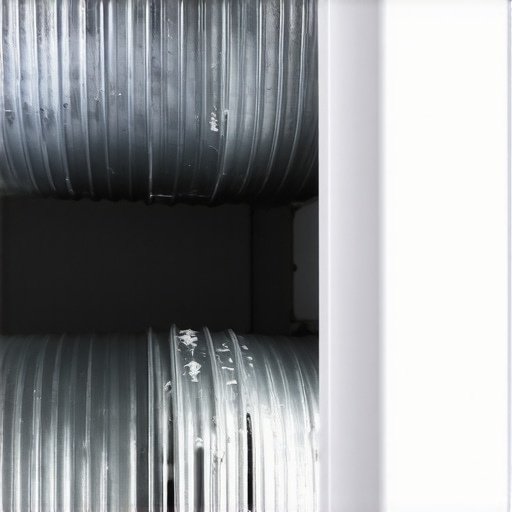
The Physics of Airflow: Why Your Dryer Is a Ticking Time Bomb
My old mentor used to scream at me until his face was the color of a manifold gauge: ‘You can’t cool what you can’t touch, and you can’t dry what you can’t move!’ This was back when we were still using R-12 and nobody cared about SEER ratings. But the physics of 2026 hasn’t changed, even if the technology has. Whether it’s a multi-stage heat pump installation or a simple dryer, airflow is king. If you choke the air, you kill the machine, and in the case of a dryer, you might just burn your house down. As we transition into the era of R-454B refrigerant transition services and highly sensitive A2L systems, the margin for error in home ventilation has vanished.
“The most expensive equipment in the world cannot overcome a bad duct system.” – Industry Axiom
1. The ‘Second Cycle’ Scam: A Lesson in Static Pressure
If your dryer is taking two cycles to dry a load of towels, you don’t have a bad dryer; you have a static pressure crisis. In the HVAC world, we use control board diagnostics to tell us why an air handler repair is necessary, but your dryer ‘talks’ to you through cycle time. When lint builds up, the blower motor has to fight against a wall of debris. This increases the amperage draw. In 2026, with energy costs skyrocketing, ignoring this is like throwing ‘gas’ out the window. If the air can’t escape, the latent heat—that’s the moisture-laden energy—just sits there, turning your laundry room into a cold swamp. This is the same principle we use when calculating hospital HVAC zoning; you must control the path of the air or you lose control of the environment.
2. The Smell of Acidic Burnout
When I smell something sour on a service call, I know a compressor has bit the dust and turned the oil into acid. In a laundry room, that ‘burnt’ smell isn’t just ‘hot clothes.’ It’s the smell of lint fibers reaching their auto-ignition temperature against the heating element housing. If you’re smelling toast and you aren’t in the kitchen, your thermal limit switch is likely screaming for help. This is often where a radiant floor heating installation goes wrong too—improper insulation leads to overheating. In a dryer, that heat soak can migrate to the control board, leading to a costly control board diagnostics bill or a total replacement. Don’t let a ‘Sparky’ tell you it’s just a fuse; it’s a ventilation failure.
3. The ‘Dead Flapper’ on the Exterior Wall
Go outside and look at your vent hood. If that plastic flap isn’t dancing like a ‘tin knocker’ on payday when the dryer is running, you have a blockage. In the North, where we deal with radiator replacement and heavy snow, these vents get iced over or clogged with debris. A stuck flapper means the velocity of the air (CFM) has dropped below the threshold required to carry lint out of the building. This is exactly why preventative HVAC repair tips for year-round efficiency always start with the exterior envelope. If you’re planning a geothermal heat pump systems upgrade, you’ll learn quickly that the exhaust side of any thermodynamic cycle is just as critical as the intake.
4. Excessive Humidity and the Dew Point Disaster
In humid climates, if your dryer vent leaks ‘pookie’ (mastic) or isn’t sealed, you’re dumping gallons of water into your wall cavities. I’ve seen air handler repair jobs that were actually just mold remediation projects because of a cracked dryer duct. When the warm, moist air hits a cold surface, it reaches the dew point and turns back into liquid. This is why UV light installation for HVAC has become so popular—to kill the growth that thrives in these damp spots. If your laundry room walls feel damp, your vent is likely disconnected or clogged, creating a back-pressure situation that forces moisture out of the seams.
5. The Voice Control Warning (The 2026 Tech Signal)
Welcome to the future: your voice control setup Alexa Google is now integrated into your appliances. In 2026, smart dryers monitor the thermistor delta. If your smart home hub starts sending you ‘efficiency alerts,’ don’t ignore them. These sensors are more accurate than any ‘Sales Tech’ trying to upsell you a new unit. They are measuring the temperature rise across the heater bank. If the delta is too high, it means the air isn’t moving fast enough to carry the heat away. It’s the same logic we use in heating service innovations transforming 2025 climate control. Whether you’re looking at ac installation secrets that hvac pros wont tell you or just cleaning a vent, it all comes down to the math of BTU transfer.
“Failure to maintain clear exhaust paths for heat-producing appliances is a primary cause of residential structure fires.” – NFPA 211 Standards
If you find yourself needing an ultimate guide to ac installation expert tips for 2025 success, remember that your home is a single organism. You can’t have a high-efficiency heat pump installation and a clogged dryer vent; they fight each other for the same air. If you’re unsure if your system is breathing correctly, it’s time to contact us. From radiant floor heating installation to the most complex geothermal heat pump systems, airflow is the heart of the beast. Stop treating your dryer like a ‘set it and forget it’ box. It’s a combustion-capable furnace that needs to breathe just as much as you do. Keeping those vents clear isn’t just about efficiency; it’s about making sure you don’t need a furnace repair because your whole house is gone.