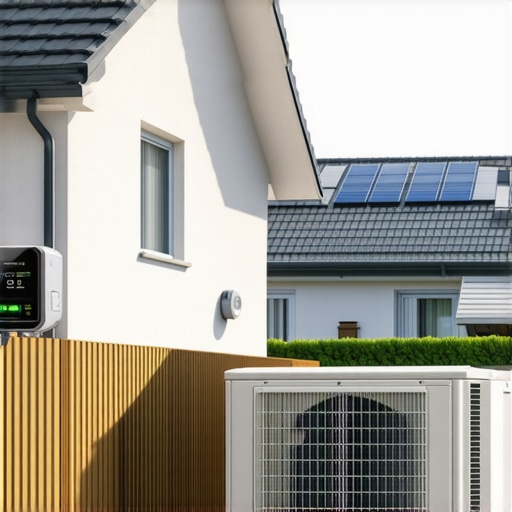
The Airflow Manifesto: Why Your 2026 Energy Bill Depends on Physics, Not Luck
My old mentor used to scream at me until he was purple in the face: ‘You can’t heat what you can’t touch!’ This was thirty years ago, back when we were still slapping together ductwork with silver tape and hoping for the best. He was right then, and he’s right now. Most guys in this trade want to talk about ‘tonnage’ and ‘horsepower’ like they’re selling muscle cars, but they ignore the fundamental reality that HVAC is a game of fluid dynamics and thermodynamics. If the air isn’t moving right, that shiny new box on your pad is just an expensive lawn ornament. As we look toward the 2026 regulatory shift, the industry is moving away from the old R-410A ‘juice’ toward A2L refrigerants like R-454B. This transition, coupled with skyrocketing energy costs, makes the dual fuel heat pump system the only logical choice for homeowners who actually care about their bank accounts.
“The most expensive equipment in the world cannot overcome a bad duct system.” – Industry Axiom
1. The Magic of Inverter-Driven Compressors and Variable Modulation
Traditional compressors are binary—they are either 100% on or 100% off. Imagine driving your car by flooring the gas and then slamming on the brakes; that’s how a standard AC works. It creates massive ‘inrush current’ every time it starts, which is what fries your electric meter and cooks your components. Inverter-driven compressors, however, act like a dimmer switch. They modulate their speed to match the exact load of the house. In 2026, as utility companies transition to peak-demand pricing, the ability to sip power at 25% capacity rather than gulping it at 100% is the difference between a $150 bill and a $400 nightmare. This isn’t just about saving money; it’s about component longevity. When a system doesn’t ‘slam’ on and off, you avoid the mechanical fatigue that leads to frequent preventative HVAC repair needs. By maintaining a constant, low-speed airflow, the system also manages latent heat—the humidity—far more effectively than a single-stage unit ever could.
2. The Hybrid Logic: Heat Pump Efficiency vs. Gas Furnace Raw Power
A dual fuel system is a marriage of a high-efficiency electric heat pump and a gas furnace. In the HVAC world, we talk about the ‘balance point’—the outdoor temperature where a heat pump can no longer extract enough heat from the ambient air to keep the indoors comfortable. When you’re in a climate zone that hits a polar vortex, a standalone heat pump can struggle. That’s where gas furnace repair and maintenance become critical components of your hybrid strategy. The system’s ‘brain’ automatically switches from the heat pump to the furnace when the COP (Coefficient of Performance) of the electric unit drops below the cost-effectiveness of gas. This isn’t just a comfort feature; it’s a financial hedge against fluctuating fuel prices. If natural gas prices spike, you lean on the heat pump. If electricity rates climb, the furnace takes the load. This adaptability is central to heating service innovations transforming 2025 climate control and beyond.
3. The Thermal Envelope: Why Attic Insulation for Heating is the Unsung Hero
You can put the most sophisticated dual fuel system in a house, but if your attic has the R-value of a wet paper bag, you’re just heating the neighborhood squirrels. Attic insulation for heating is the literal barrier that prevents the second law of thermodynamics from robbing you blind. Heat moves from warm to cold—always. Without proper insulation, your high-dollar heated air is escaping through the ceiling via convection and radiation. When we install these hybrid systems, we often find that the ‘broken’ unit was actually just fine; the house was just ‘leaking’ its BTUs. This is why a proper AC installation must include a look at the building envelope. If we don’t fix the ‘holes’ in the house, the inverter-driven compressor has to work harder, negating the efficiency gains you paid for.
“Standard 62.2 defines the roles of and minimum requirements for mechanical and natural ventilation systems and the building envelope.” – ASHRAE Standards
4. Managing the Breath of the House: ERVs and Humidification
As we seal houses tighter to save energy, we create a ‘sick building’ syndrome where the air becomes stagnant and loaded with VOCs. This is where energy recovery ventilators (ERVs) come in. An ERV allows you to bring in fresh outdoor air while ‘robbing’ the energy from the outgoing stale air. It’s a heat exchanger for your entire house. Combine this with air purification integration, and you aren’t just living in a cheaper house; you’re living in a healthier one. However, mechanical systems need maintenance. A clogged ERV core or a failed bypass humidifier repair issue can lead to dry, static-filled air that makes 70°F feel like 65°F. Dry air increases evaporative cooling on your skin, making you crank up the thermostat and waste money. Keeping the humidity at a steady 45% via a well-maintained humidifier is a ‘hack’ that many homeowners overlook.
5. The Reality of Maintenance: Beyond the ‘Sales Tech’ Pitch
I’ve seen it a thousand times: a ‘Sales Tech’ tries to sell a $20,000 system because a $15 capacitor replacement services call was too ‘low profit’ for their commission. It’s disgusting. To keep a dual fuel system running for twenty years, you need actual technical expertise, not a sales pitch. This includes portable heater safety checks during the shoulder seasons and ensuring your baseboard heater repair needs are met if you have supplemental zones. The complexity of modern inverter boards means you can’t just have some ‘Tin Knocker’ poking around with a screwdriver. You need a tech who understands DC voltage and communication protocols. This is why priority service memberships are becoming the standard for 2026; they ensure that your sensors are calibrated and your ‘Pookie’ (mastic) seals are intact. Without regular maintenance, the delicate balance of a dual fuel system can fall apart, leading to ‘short cycling’ that kills the compressor’s life expectancy. If you want to avoid the ‘July 4th Panic’ when the ‘gas’ (refrigerant) isn’t flowing, you have to treat your HVAC system like the life-support machine it actually is.