The Sound of the Silent Killer: A Forensic Diagnosis
The first thing you notice isn’t the cold; it’s the silence. Or worse, the clicking. I remember my old mentor, a man who had more soot in his lungs than a 1950s coal plant, used to scream at me, ‘You can’t burn what you can’t vent, kid! If the flame ain’t contained, the house is a coffin!’ This was his way of teaching me the physics of the heat exchanger. He believed that airflow and containment were the only things standing between a warm living room and a 3 AM visit from the fire department. That lesson came back to me during a brutal January freeze in a drafty Victorian where the owners complained of a ‘funny smell’ and persistent headaches. I didn’t even need my electronic sniffer; one look at the burner assembly told the story. The flames weren’t a crisp, sharp blue—they were dancing, yellow, and lazy, licking back toward the cabinet like they were trying to escape a cage. That is flame rollout, and it is the physical manifestation of a death warrant for a gas furnace. Most people think a furnace is just a box that makes fire, but it’s actually a sophisticated thermodynamic separator. Your ‘gas’ (refrigerant or fuel) is the energy source, but the heat exchanger is the thin, metal wall that keeps the poisonous combustion byproducts like carbon monoxide separate from the air you breathe. When that metal fails, the wall is gone.
“Carbon monoxide is a toxic gas that can result from the incomplete combustion of fuels such as natural gas or propane. Proper venting and heat exchanger integrity are non-negotiable for safety.” – ASHRAE Standard 62.1
The Anatomy of Metal Fatigue: Why It Cracks
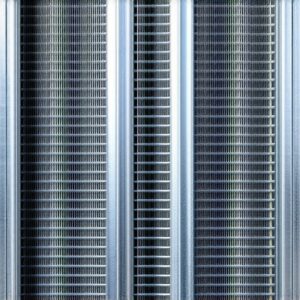
Let’s talk about the thermodynamic zooming of metal. Every time your thermostat calls for heat, that heat exchanger jumps from room temperature to over 1,000°F in minutes. It expands. It stretches. Then, the blower motor kicks in, moving cold return air over those hot cells to extract the sensible heat. The metal contracts. Over twenty years, that’s thousands of cycles of expansion and contraction. If your ductwork was installed by a ‘tin knocker’ who didn’t understand static pressure, the heat exchanger might be overheating every single cycle because there isn’t enough airflow to cool it down. This is why 90% of failures are actually airflow issues. When the metal gets too hot, it develops stress fractures. These aren’t always gaping holes; sometimes they are hairline cracks that only open up when the metal is hot. That’s the most dangerous scenario because a standard visual inspection when the unit is cold might miss it. This is why furnace repair myths often lead homeowners to believe their system is fine just because it still blows warm air. A cracked exchanger will still produce heat; it just produces a side of carbon monoxide with it.
The Climate Factor: The Northern Winter Grind
In the North, where we deal with sub-zero blasts and polar vortices, the demand on a furnace is relentless. We aren’t just looking at standard gas furnaces; we are dealing with high-efficiency 90%+ AFUE systems that have a secondary heat exchanger. This second coil is designed to pull latent heat out of the exhaust gases, turning the water vapor into liquid condensate. If the drain lines are clogged or if the ‘pookie’ (mastic) on the secondary headers is failing, that acidic condensate sits in the heat exchanger and eats the metal from the inside out. In these cold climates, we also see a lot of urgent furnace repairs caused by frozen vent pipes. When the exhaust can’t get out, the pressure builds up, and the flame rolls out, scorching the wiring and the ‘sparky’s’ (electrician) nice clean control board. For those in larger buildings, innovative heating services like hotel boiler services or steam boiler repair are often the only way to manage the massive thermal load of a frozen winter, but even those systems rely on the same basic physics of heat exchange and pressure management.
“The heat exchanger shall be designed to prevent the escape of flue gases into the circulating air stream under all conditions of operation.” – ANSI Z21.47 Gas-Fired Central Furnaces
Variable Speed and Modern Solutions
If you’re facing a $2,000 bill to replace a heat exchanger on a 15-year-old unit, you’re at the regulatory cliff. By 2025, the industry is shifting toward more efficient, variable speed furnace services and cold climate heat pumps. A variable speed blower doesn’t just blast air; it ramps up slowly, maintaining a constant CFM (Cubic Feet per Minute) even if your filters are slightly dirty. This prevents the heat exchanger from hitting those extreme temperature peaks that cause cracking. For new construction heating design, we often look at ductless mini-split installation or even garage heater installation to supplement areas that the main furnace can’t reach without killing its own efficiency. Modern smart building management systems can now even detect the minute changes in combustion chemistry that signal a failing exchanger before the CO alarm even chirps. When you’re weighing the cost, consider that a proper HVAC fix is about more than just a part; it’s about the safety of the entire system’s design. If your system is old and the exchanger is gone, don’t let a ‘sales tech’ just push a box on you. Look for a solution that addresses the dehumidification services and airflow needs of your specific home. Whether it’s a steam boiler repair for an old radiator system or a new high-efficiency furnace, the goal is the same: containment of the fire and the movement of the heat.