Why Your AC Keeps Blowing Fuses and When to Call an Electrician
It’s mid-July, the Florida humidity is thick enough to chew, and you’re finally settling in for a movie when the hum of the air conditioner suddenly cuts to a dead silence. You head out to the garage or the side of the house, find the disconnect box, and sure enough – a blown fuse. You swap it out, the cool air returns, and you think you’ve solved the problem. But then, two hours later, pop. You’re back in the dark, and the sweat is starting to bead on your forehead.
Listen, I’ve been an HVAC technician for years, from the swampy heat of Florida to the unpredictable seasons in Omaha, and I’ve seen thousands of homeowners go through this exact cycle. My neighborly advice? Stop buying fuses in bulk. A blown fuse isn’t just a nuisance; it’s a critical safety feature. It is your system’s way of screaming, “Stop before I catch fire!”
While a replacement fuse might only cost you five or ten dollars, the underlying issue causing that fuse to blow could be a multi-thousand-dollar disaster waiting to happen. Whether it’s a simple maintenance oversight or a deep-seated electrical fault, ignoring a recurring blown fuse is like ignoring a smoke detector – you’re playing with fire. In this guide, we’re going to dive deep into why your AC is acting up and, more importantly, how to tell when you need to call a professional electrician or an HVAC expert to save your system (and your sanity).
Where Exactly are the Fuses?
Before we get into the “why,” let’s talk about the “where.” Most modern air conditioning systems have two primary lines of defense when it comes to electrical surges. The first is your main electrical panel – the big gray box usually located in your garage, basement, or laundry room. This panel contains the circuit breaker (or fuses in older homes) that feeds power to the entire HVAC system.
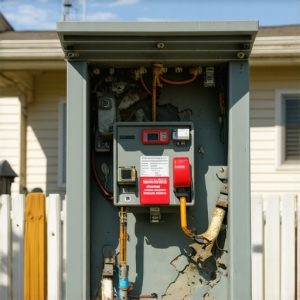
The second location is the “disconnect box,” which is usually mounted on the exterior wall of your home, right next to the outdoor condenser unit. This box is there primarily for safety; it allows a technician like me to cut power to the unit locally while we’re working on it. Inside this box, you’ll often find two “cartridge” fuses. This outdoor box is frequently where I see the most visible signs of trouble, such as charred plastic or “melted” components. If you find yourself constantly resetting the breaker or swapping these outdoor cartridges, your system is drawing more “amps” (electrical current) than it was designed to handle.
The “Mechanical” Culprits: When Your AC Works Too Hard
In many cases, an AC blowing fuses isn’t actually an electrical problem at its root – it’s a mechanical one. When an AC component has to work harder than intended, it draws more electricity. If that draw exceeds the fuse’s rating, the fuse blows to protect the wires from melting.
1. Dirty Air Filters and Coils
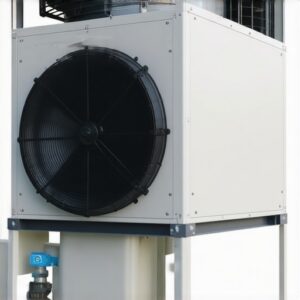
This is the most common cause I see. If your air filter is clogged with dust, pet hair, and dander, your blower motor has to work overtime to pull air through that restriction. This creates “high static pressure,” and that extra effort translates directly into higher amperage. Similarly, if the outdoor condenser coils are caked in dirt or grass clippings, the unit can’t dissipate heat efficiently. The compressor then has to run longer and hotter, eventually popping the fuse. This is why I always tell folks to stay on top of 7 Maintenance Moves to Save Your Blower Motor This Winter – and summer!
2. Low Refrigerant Levels
If your system has a leak and the refrigerant levels are low, the AC won’t be able to cool your home effectively. This causes the compressor to run continuously. As the compressor overheats due to the lack of cooling from the returning refrigerant, its internal resistance changes, causing it to pull a massive amount of current until the fuse gives up.
3. The 22-Year-Old Unit Rule
If your AC unit is pushing 20 years or older, the internal components are simply reaching the end of their lifespan. Bearings in the motors start to seize, and the internal insulation in the compressor windings begins to break down. An old, inefficient unit is a prime candidate for HVAC electrical issues. Often, Why SEER2 Standards Make Older AC Units Obsolete Overnight becomes a very relevant topic when your old dinosaur of a unit starts blowing fuses every other day.
The “Electrical” Culprits: Technical Faults Within the Unit
Sometimes the mechanical parts are fine, but the electrical “delivery” system within the AC is failing. This is where blown AC fuse symptoms get a bit more technical.
Faulty Capacitors
Think of the capacitor as a small battery that gives your motors a “kickstart” to get them spinning. If the capacitor is weak or “bulging,” the motor (either the fan or the compressor) will struggle to start. It will sit there and hum, drawing huge amounts of “Locked Rotor Amps” (LRA) until the fuse pops. Replacing a capacitor is a standard part of AC repair troubleshooting, but it’s a job for someone who knows how to discharge the electricity safely.
Loose or Corroded Wiring
Your AC unit vibrates – a lot. Over years of operation, those vibrations can loosen the wire nuts or the screws holding wires to the contactor. A loose connection creates resistance. Resistance creates heat. Heat blows fuses. If you open a panel and see wires with “fried” or brittle insulation, you’ve found your culprit. These Hidden Electrical Faults That Mimic a Broken AC Compressor can often trick a homeowner into thinking they need a whole new unit when they really just need some wire remediation.
The “Darkened Fuse” Symptom
If you pull out a fuse and it looks charred or “darkened” rather than just having a broken filament, that’s a sign of a slow, agonizing death. It means the fuse wasn’t hit by a sudden surge, but rather it sat in a high-heat environment for a long time. This is almost always due to a poor electrical connection nearby.
Why Your Outdoor Disconnect Box is Melting
One of the most dangerous things I encounter is a “melted” disconnect box. This happens when the “lugs” (the terminals where the heavy copper wires attach) aren’t tightened correctly. This creates a high-resistance point. As electricity fights to jump across that poor connection, it generates incredible heat – sometimes enough to liquify the plastic housing of the disconnect box.
If you see smoke or smell burning plastic near your outdoor unit, shut the power off at the main breaker immediately. This is a situation where you need an electrician HVAC expert Mill Creek WA to come out and replace the box and potentially trim back the damaged wire. You can learn more about the specifics of this dangerous situation in our article on Why your outdoor AC disconnect box is melting and how to stop it.
When to Call an Electrician vs. HVAC Tech
Triage is the most important part of home maintenance. You don’t want to pay an HVAC tech to tell you that you have a bad breaker, and you don’t want an electrician to tell you that your compressor is grounded. Here is how I usually break it down for my customers:
- Call an HVAC Tech if: The fuse blows after the unit has been running for 15-30 minutes. This usually indicates an “overload” caused by a mechanical issue like a dirty coil or a failing motor.
- Call an Electrician if: The fuse or breaker trips the very millisecond the unit tries to turn on. This is usually a “dead short” in the wiring.
- Call an Electrician if: You notice flickering lights when the AC starts. This is a sign that your home’s electrical system is struggling to provide the “inrush” current the AC needs.
If your home is older and you’ve recently upgraded to a more powerful cooling system, you might actually need an electric panel upgrade Bothell WA. Newer units, even high-efficiency ones, can put a strain on old 100-amp panels that weren’t designed for today’s electrical loads. Furthermore, Why Your High-Efficiency AC Installation Requires a Dedicated Electrical Circuit is a must-read if you’re planning an upgrade soon.
Safety & Troubleshooting: Don’t Make It Worse
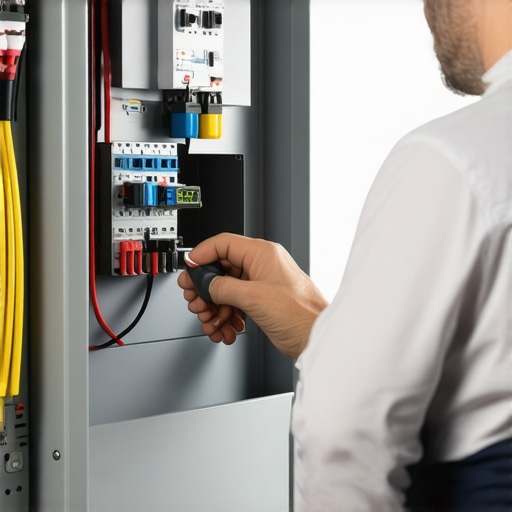
If you’re handy, you can check a fuse with a multimeter. Set it to the “Ohms” or “Continuity” setting. If the multimeter beeps or shows zero resistance, the fuse is good. If it shows “OL” (Open Line), the fuse is blown.
A word of warning: Never, under any circumstances, “oversize” a fuse. If your unit is rated for a 30-amp fuse and it keeps blowing, do not put a 40-amp fuse in there. The fuse is the weakest link in the chain by design. If you make the fuse stronger than the wire, the wire becomes the fuse – and wires catch fire when they “blow.”
Conclusion
A recurring blown fuse is your air conditioner’s way of asking for professional help. Whether it’s a simple cleaning or a complex electric panel upgrade Bothell WA, addressing the issue early will save you money and keep your home safe. Don’t wait until the hottest day of the year to find out your disconnect box has finally melted through. If your system is aged and causing constant headaches, it might be time to contact professional HVAC installers for a comprehensive system evaluation. Stay cool, stay safe, and keep those filters clean!