The Silence of the High Desert: Why Your Swamp Cooler is a Winter Liability
The first sign isn’t the frost on the windshield; it’s the change in the wind. In the high desert, that dry, parched air starts to bite, and suddenly that rhythmic hum of the evaporative cooler—the sound that’s kept you sane through 110-degree afternoons—becomes a haunting silence. But silence is dangerous. As a tech who has spent three decades dragging gauges across gravel rooftops, I’ve seen more units killed by a lazy winterization than by a mid-July heatwave. If you leave water in that pan, you aren’t just hosting a mosquito resort; you are inviting a chemical reaction that will eat your cabinet from the inside out. My old mentor used to scream, ‘You can’t cool what you can’t touch!’ He was talking about the surface area of the aspen pads, but the lesson applies to winter, too. If you don’t touch every component of that system before the mercury drops, the physics of freezing water will tear your plumbing apart. This is about more than just turning a switch; it is a forensic diagnosis of your home’s thermal envelope.
The Thermodynamic Zoom: Why Humidity is the Enemy of Storage
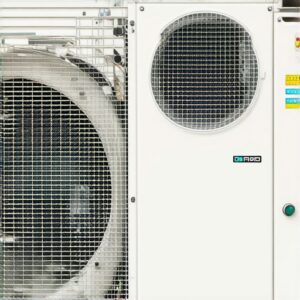
Evaporative cooling works on a simple principle of sensible heat exchange. We take hot, dry air and force it through water-saturated media. The water evaporates, absorbing the heat and lowering the air temperature. But when the season ends, the physics change. That residual moisture becomes a breeding ground for mineral scale and oxidation. In the southwest, the high mineral content in our water turns into a rock-hard crust that chokes the pump and destroys the float valve. If you don’t drain it, the latent heat of fusion takes over as the temperature hits 32°F. Water expands as it freezes—it’s the only substance that does—and it will split a copper supply line like a cheap cigar. This is why we don’t just ‘turn it off.’ We perform a full mechanical extraction. This transition period is also the perfect time to look at your indoor climate. If you’re switching from a swamp cooler to a furnace or investigating heating service hacks for comfort and savings in 2025, you need to understand that your ductwork is the lungs of your home.
“Infiltration of cold air through unsealed evaporative cooling ducts can increase winter heating loads by up to 25% if not properly dampered.” – ACCA Manual J Principles
The Forensic Anatomy of Winterization
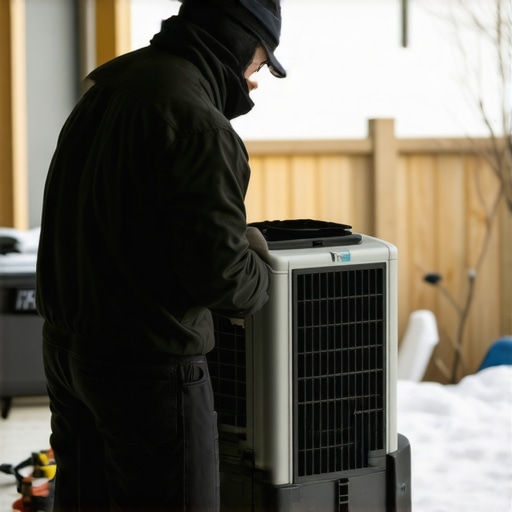
Let’s break down the mechanical organs of your cooler. First, the water supply line. This is the ‘copper straw’ that feeds the beast. You must shut it off at the source—usually a needle valve under the sink or in the crawlspace—and then disconnect it at the cooler. If you leave that line pressurized, you’re one cold snap away from a flooded crawlspace. Next, the float valve and pump. These are the heart and kidneys. Scale buildup here is a death sentence. I always tell homeowners to wipe down the pump intake. If it’s crusty, it’s failing. After draining the pan, you’ll see the ‘pookie’ (mastic) or the pan liner. If that liner is cracked, your unit is leaking ‘gas’ (refrigerant techs use that term, but here we’re talking about water loss). Scrub the pan with a stiff brush and a mild scale remover. Do not use harsh acids unless you want to eat through the galvanization. Once it’s dry, you need to address the ductwork. A swamp cooler is basically a giant hole in your roof. If you don’t install a winter damper—a ‘cookie’ as some tin knockers call it—you are literally throwing your expensive heated air out the roof. This is where efficient HVAC repairs start: by sealing the leaks you already know about.
Static Pressure and the Airflow Manifesto
Most people think HVAC is about ‘cold air’ or ‘hot air.’ It’s not. It’s about static pressure. When you transition from a swamp cooler to your winter heating system, whether it’s a furnace or a shop heater, the airflow dynamics shift. A swamp cooler requires open windows to exhaust air; your heater requires a sealed environment. This is why static pressure testing is non-negotiable. If your return air ducts are undersized, your furnace will hit the high-limit switch and ‘short cycle.’ It’s the mechanical equivalent of trying to run a marathon while breathing through a cocktail straw. During your winter prep, check your filters. Moving to MERV filter upgrades can improve indoor air quality, but if you go too thick without checking the blower’s capacity, you’ll burn out the motor. My mentor taught me that the most expensive unit in the world is worthless if the ‘tin knockers’ didn’t size the returns right. If you’re feeling cold spots, don’t just crank the thermostat; look for duct leaks. HVAC duct sealing with real mastic (not that silver tape that peels off in two years) is the only way to ensure the heat you pay for actually reaches your toes.
“Maintenance of the building pressure envelope is critical for preventing the backdrafting of combustion appliances during the heating season.” – ASHRAE Standard 62.1
The Math of the Season: Repair vs. Replace
I’ve seen homeowners spend $200 every year for five years to keep a rusted-out swamp cooler on life support. That’s $1,000. For what? A unit that smells like a damp basement and breeds mold. Sometimes, the diagnosis is terminal. If the pan is rusted through or the motor mount is sagging, it’s time to talk about a heat pump replacement. Modern heat pumps are no longer the ’emergency heat’ jokes of the 1980s. They can handle sub-zero temps and provide the most efficient sensible heat transfer on the market. If you are sticking with gas, ensure you have a wiring repair for heating systems checked out, especially the flame sensor and the igniter. A scorched contactor in a shop heater can be the difference between a productive winter and a frozen workspace. If you’re unsure about your current load, a tech should perform manual J calculations to see if your system is actually sized for your home’s current insulation levels. Don’t be the person who gets quoted $15,000 by a sales tech for a new system when all you needed was refrigerant leak detection or a new capacitor. Knowing the difference is why you hire a veteran, not a salesman.
The Final Checklist: Sealing the Deal
Before you throw the cover over that cooler and call it a day, do one last check. Is the cover cinched tight? If the wind can get under it, it’ll act like a sail and vibrate the unit, potentially loosening the wiring repair for heating systems or even the roof flashing. Inside, check your baseboard heater repair needs if you have a hydronic system, or ensure your heat recovery ventilators are clear of debris. Winter is the season of ‘The Silent Killers’—carbon monoxide and cracked heat exchangers. While you’re up there winterizing the swampy, take a look at your furnace flue. Is it clear? Are there bird nests? This is the holistic approach. We don’t just look at one box; we look at the whole thermodynamic machine. For more on how to keep your system running until 2025 and beyond, check out our top HVAC repair strategies. Remember, comfort isn’t magic; it’s physics. And physics doesn’t take a day off just because it’s Christmas. If you find yourself in a pinch, don’t hesitate to reach out for shop heater services or any emergency needs through our contact page. Stay warm, stay dry, and keep your static pressure low. [{“@context”: “https://schema.org”, “@type”: “HowTo”, “name”: “How to Winterize a Swamp Cooler”, “step”: [{“@type”: “HowToStep”, “text”: “Shut off the water supply valve and disconnect the line from the unit.”}, {“@type”: “HowToStep”, “text”: “Drain the water pan completely and scrub away mineral scale.”}, {“@type”: “HowToStep”, “text”: “Remove and inspect aspen pads; replace if heavily calcified.”}, {“@type”: “HowToStep”, “text”: “Install a winter damper or ‘cookie’ inside the duct to prevent heat loss.”}, {“@type”: “HowToStep”, “text”: “Secure a high-quality weather-resistant cover over the entire exterior unit.”}]}]