The Death of the Oil Burner and the Regulatory Cliff
Listen, I’ve spent thirty years smelling like a diesel engine after crawling out of wet basements in the middle of a January blizzard. I’ve seen the industry change from heavy cast-iron beasts to high-efficiency condensing units, and if there is one thing I’ve learned, it’s that nostalgia is expensive. If you’re still clinging to that old oil furnace, you’re not just holding onto a piece of history; you’re bleeding money into the ground. My old mentor, a grizzly veteran named Sergeant Higgins, used to slap the side of a soot-caked burner and yell, ‘You can’t heat a home with a prayer, kid! If the flame’s orange and the stack’s screaming, you’re just warming the clouds!’ He was right. Airflow and combustion efficiency are the only things that matter when the mercury hits zero. Today, we face a regulatory cliff. With the 2025 transition to A2L refrigerants and the aggressive push for higher AFUE ratings, the cost of equipment is skyrocketing. If you think waiting another year to convert from oil to gas is going to save you money, you’re ignoring the physics of the market and the thermodynamics of your own home.
“The most expensive equipment in the world cannot overcome a bad duct system.” – Industry Axiom
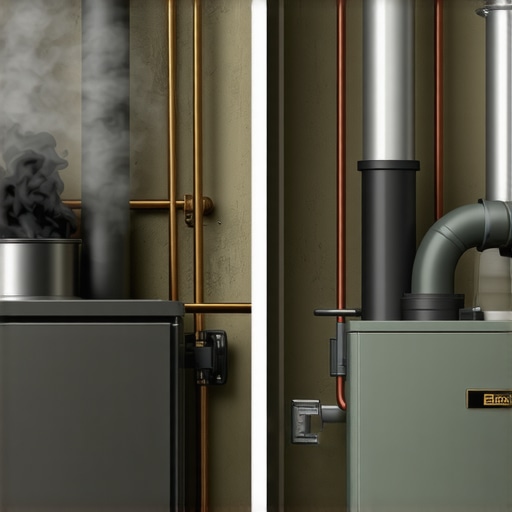
When we talk about the real cost of keeping an old oil furnace, we have to talk about Thermodynamic Zooming. An old oil furnace might have an AFUE (Annual Fuel Utilization Efficiency) of 60% or 70%. That means for every dollar you spend on fuel oil, 30 to 40 cents is literally going up the chimney as waste heat. When you convert to a high-efficiency gas system, we’re looking at 96% to 98% efficiency. In those units, we use a secondary heat exchanger to capture the latent heat of vaporization from the flue gases. We’re cooling those gases down so much that they turn into liquid condensate—that’s why we vent them with PVC instead of metal pipe. If you aren’t capturing that latent heat, you’re just burning money. To get this right, you can’t just eyeball the size. You need HVAC load calculation services. We’re talking about Manual J calculations. Most oil furnaces I see are oversized by at least a ton. They short-cycle, which means they never reach a steady state of efficiency, and they beat the hell out of the heat exchanger. Over-sizing is a disease in this industry, usually spread by sales techs who don’t know how to use a slide rule or a digital manometer.
Converting to gas isn’t just about the furnace; it’s about the infrastructure. You’re going to need a Tin Knocker to modify the plenum because a modern variable speed furnace service requires precise static pressure to move air correctly. If your ductwork is restricted, that expensive blower motor will burn out in three years, and you’ll be calling me back to complain. This is where thermostat installation and occupancy sensor installation come into play. A modern system doesn’t just blast air; it modulates. It feels the house. By integrating occupancy sensors, we can tell the system to ramp down when you’re not in the room, saving you another 15% on top of the fuel savings. If you have rooms that the main trunk can’t reach, don’t try to force it. That’s where a ductless mini-split installation fills the gap. It allows us to treat specific zones without tearing out your lath and plaster walls. It’s about surgical HVAC, not the sledgehammer approach of the 1970s.
“Standard practice for residential load calculations shall follow the procedures outlined in ACCA Manual J.” – ASHRAE Fundamentals
Let’s talk about the ‘hidden’ costs. When you run a gas furnace, the air gets dry—really dry. I’m talking ‘static-shock-when-you-touch-the-dog’ dry. That’s why steam humidifiers are a mandatory add-on for a quality gas conversion. Unlike those cheap bypass pads that grow mold, a steam humidifier actually boils water and injects pure vapor into the airstream. This protects your hardwood floors and your sinuses. And don’t forget the safety side. An old oil tank is a ticking environmental time bomb. I’ve seen ‘Pookie’ (mastic) used to patch leaks that should have been condemned years ago. When we swap to gas, we’re also looking at your chimney. If we’re not using it for the furnace anymore, we need to make sure your water heater isn’t ‘orphaned.’ An orphaned water heater in a cold chimney won’t draft, and that’s how you get carbon monoxide in the basement. This is why identifying when furnace repair is urgent is a life-saving skill. It’s not just about comfort; it’s about the chemistry of combustion. If your burner has a cracked heat exchanger, it’s not a heater anymore; it’s a gas chamber.
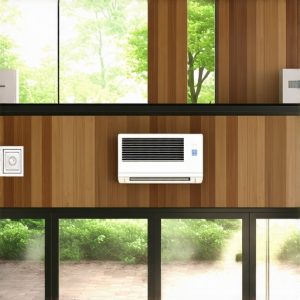
Maintenance is the other side of the coin. People think gas is ‘set it and forget it.’ Wrong. You still need regular furnace filter replacement to keep the static pressure within the manufacturer’s specs. I’ve seen variable speed furnace services ruined because a homeowner used one of those ‘high-MERV’ filters that are basically a brick of cardboard, choking the system to death. While we’re at it, get a dryer vent cleaning. It’s the most overlooked fire hazard in the house and it messes with the pressure balance of your laundry room. If you’re in a tight space, a wall furnace installation might be tempting, but for a whole-home solution in a cold climate, a condensing gas furnace is the king of ROI. Stop feeding the oil man and start investing in your own infrastructure. The transition to A2L refrigerants in 2025 is going to make all HVAC work more expensive due to the new sensors and ‘mildly flammable’ safety protocols. The window to do a cost-effective gas conversion is closing. Get your HVAC load calculation services done now, before the winter rush hits and the prices jump again. Real comfort is built on physics, not ‘topping off the gas’ and hoping for the best.
[IMAGE_PLACEHOLDER]