The Damp Reality of ‘Efficient’ Heating
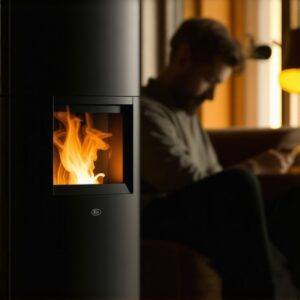
I’ve spent thirty years crawling through damp crawlspaces and sweating in mechanical rooms, and if there is one thing that makes my skin crawl more than a nest of spiders, it’s a ventless gas heater running in the dead of winter. My old mentor used to scream, ‘You can’t cool what you can’t touch, and you can’t heat what you’re drowning!’ This was his way of reminding us that airflow matters more than raw horsepower. When homeowners install those ventless ‘blue flame’ units to save a buck, they aren’t just buying heat; they are buying a chemistry experiment that ends with mold on the baseboards. We are talking about thermodynamics, not magic. Every time you burn a cubic foot of natural gas, you’re dumping water vapor into your living room. In a standard gas line installation for furnaces, that moisture—and the nasty combustion byproducts—goes up the flue and out of your life. With ventless? It stays. It clings to your windows, it soaks into your insulation, and it turns your home into a literal petri dish.
“Ventilation is the intentional introduction of outside air into a space and is the primary bolt-on for indoor air quality.” – ASHRAE Standard 62.2
Thermodynamic Zooming: The Latent Heat Nightmare
Let’s talk physics. When you burn gas, the combustion process (CH4 + 2O2) produces CO2 and H2O. In a properly vented system, that H2O is a gas that disappears. But in a tightly sealed, modern home, that water vapor increases the latent heat load of the room. Latent heat is the energy required to change the phase of water, and while your skin feels the ‘sensible heat’ (the temperature rise), your house is absorbing the moisture. Eventually, the air hits the dew point on your cold exterior walls, and that’s when the ‘sweating’ starts. I’ve seen 100-year-old studs rotting from the inside out because a homeowner thought they were being clever with a ventless wall unit. Instead of playing with fire, smart homeowners look into heating service innovations like hydronic systems. A proper radiant floor heating installation provides the most comfortable, dry heat possible without turning your bedroom into a swamp.
The Forensic Diagnosis: Anatomy of a Failing System
If you’re smelling that slightly sweet, metallic scent of unburnt gas or noticing a yellow flame instead of a crisp blue one, you’re in trouble. That’s a sign of oxygen depletion. I’ve followed behind ‘Sales Techs’ who try to sell a whole new HVAC stack when the customer just has a clogged pilot or a bad thermocouple. But the real issue is often deeper. Many ‘no-heat’ calls in the winter aren’t even about the furnace; they are about the wiring repair for heating systems that got corroded by all that internal moisture. High humidity levels inside the house can actually short out sensitive electronics in your furnace’s control board. If you want real efficiency, you need Energy Star heating certification equipment that is actually designed to move air, not just cook it. I always tell folks to look into predictive maintenance alerts and WiFi thermostat integration. These tools can tell you when your humidity is spiking before you see the mold growing behind the couch.
The ‘Sparky’ and the ‘Tin Knocker’ Connection
Getting a system right requires more than just one guy. You need a ‘Sparky’ (electrician) to handle the electric heater services or the dedicated circuit for your blower, and a ‘Tin Knocker’ (duct specialist) to ensure your static pressure isn’t through the roof. I’ve seen beautiful gas line installations ruined because the ductwork was choked off. If the air can’t move, the heat exchanger gets too hot, the limit switch trips, and you’re back to shivering. We’re seeing more people move toward occupancy sensor installation and voice control setup Alexa Google to manage their zones, but none of that tech matters if your base physics are broken. A ventless heater is a band-aid that eventually causes a hemorrhage. Stick to vented systems, invest in warranty service plans, and keep your ‘juice’ (refrigerant) and gas where they belong: inside the pipes and out of your lungs.
“Equipment must be sized to the load of the structure; an oversized unit is a dehumidification failure waiting to happen.” – ACCA Manual J