The Thermodynamic Reality Check
My old mentor, a grizzled tin knocker who spent more time in 140-degree attics than his own living room, used to scream at me, ‘You can’t move heat that isn’t there, kid!’ Back then, he was right. In the early 90s, if the mercury dropped below 35°F, your standard heat pump was about as useful as a screen door on a submarine. It would give up, the ‘Emergency Heat’ light would glow like a beacon of financial ruin, and your electric bill would skyrocket as the heat strips turned your air handler into a giant, inefficient toaster. But physics didn’t change; the way we manipulate it did. Today, we aren’t just moving ‘gas’ (refrigerant); we are performing molecular extraction at sub-zero temperatures. If you are still relying on ancient baseboard heater repair or outdated furnaces in a polar vortex climate, you are fighting a losing battle against the second law of thermodynamics.
The 2025 Regulatory Cliff and the Death of R-410A
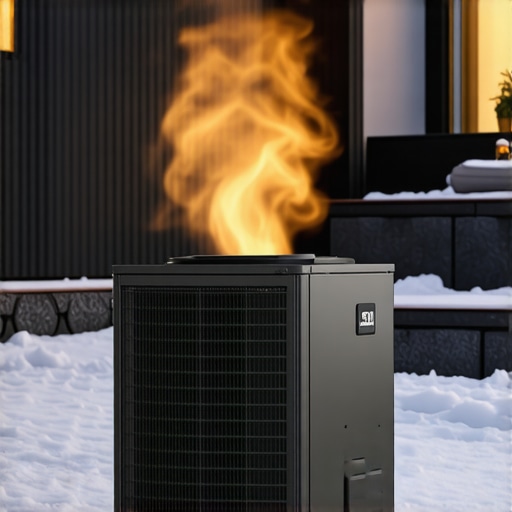
We are standing at the edge of a massive industry shift. By 2025, the R-410A refrigerant we’ve used for decades is being phased out for A2L refrigerants like R-454B. This isn’t just bureaucratic red tape; it is a fundamental change in how we design systems. These new ‘mildly flammable’ refrigerants require sophisticated leak sensors and upgraded spark-proof relay services to ensure safety. For those in frigid climates, this transition makes hyper-heat heat pumps the only logical investment. Why? Because these systems are engineered for the new high-pressure standards that allow them to squeeze heat out of -13°F air. Buying a budget-grade unit right now is like buying a flip phone the day the smartphone was released; you are investing in obsolete tech. For a deeper look at what the pros won’t tell you about these new setups, check out these ac installation secrets.
“The most expensive equipment in the world cannot overcome a bad duct system.” – Industry Axiom
The Science of Flash Injection
How does a hyper-heat unit keep a house at 72°F when the outside feels like the surface of Hoth? It comes down to an inverter-driven compressor and ‘flash injection’ technology. In a standard unit, as it gets colder, the mass flow of the refrigerant drops, and so does the heating capacity. Hyper-heat systems bypass this by injecting a bit of liquid refrigerant into a second port in the compressor. This cools the compressor and allows it to ramp up to higher speeds without melting itself, maintaining 100% heating capacity even when the wind is howling. This is critical for heating service innovations designed for the modern age. If you’re managing a larger facility, these same physics apply to warehouse heating solutions and hotel boiler services, where maintaining a consistent thermal envelope is a matter of business survival, not just comfort.
Airflow: The Silent Efficiency Killer
I don’t care if you have a $20,000 hyper-heat system; if your static pressure is wrong, you’re burning money. I see it every day: a ‘Sales Tech’ slaps a high-efficiency unit on a 1970s duct system that was built for a low-static furnace. The blower motor fights against the resistance, the coil freezes or the compressor overheats, and the homeowner blames the brand. We call this ‘choking the unit.’ Proper efficient hvac repairs always start with a manometer, not a sales pitch. We check the ‘Pookie’ (mastic) on the joints and ensure the return air drop isn’t undersized. If you can’t breathe, you can’t run; your HVAC system is the same. In sub-zero climates, airflow is even more critical because the temperature delta (the difference between return and supply air) is so high.
“Design conditions for heating shall be based on the 99% column in the ASHRAE Climatic Design Conditions table.” – ACCA Manual J
Predictive Maintenance vs. The Midnight Breakdown
In the North, a furnace failure at 2 AM isn’t just an inconvenience; it’s a pipe-bursting catastrophe. This is where predictive maintenance alerts change the game. Modern hyper-heat systems monitor their own health, watching for amp draws on a contactor that signal a failing bearing or a sensor that’s drifting out of calibration. Instead of waiting for the ‘bang,’ you get a notification that a component is wearing down. Whether it is an infrared heater installation in a garage or a complex boiler setup, being proactive is the only way to avoid the emergency rate. We also recommend regular portable heater safety checks as backups, but they should never be your primary source. If you’re wondering how to spot a real crisis before it happens, read about how to identify when furnace repair is urgent.
The Integrated Climate Strategy
A smart homeowner doesn’t just look at the heater. They look at the whole ‘Psychrometric’ picture. In the summer, you need dehumidification services to keep the ‘cold swamp’ feel out of your basement. In the winter, you might need to look at pool heater repair if you’re running a year-round lap pool, or infrared heater installation for specialized zones. The goal is a balanced system where the hyper-heat pump acts as the heart, and the sensors act as the nervous system. By utilizing hvac repair strategies that focus on the long-term health of the unit, you can survive any polar vortex without having to call a ‘Sparky’ to fix your fried electrical panel from those old heat strips. For any questions on upgrading your current setup to handle the 2025 standards, you can contact us directly.