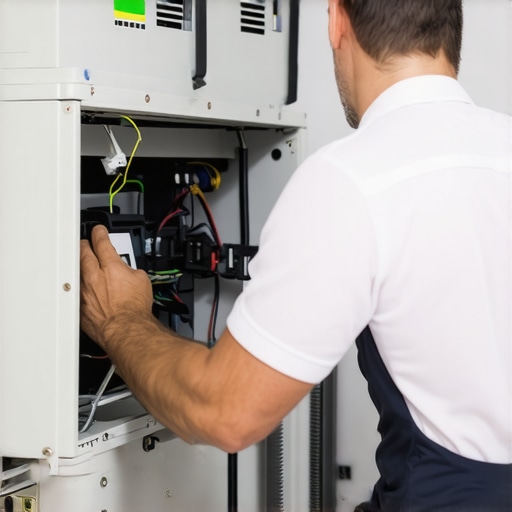
My Unexpected Wake-Up Call: Why HVAC Maintenance Matters
I’ll never forget those scorching summer days when my air conditioner suddenly stopped working. It was a wake-up call that emphasized how vital a well-maintained HVAC system is for our daily comfort. From that moment, I decided to dive into the world of HVAC repair and maintenance to ensure my home stays cool and trustworthy all year round.
Building Trust Through Regular HVAC Checks
One of the most important lessons I learned is the value of preventative maintenance. Regular inspections and timely repairs not only extend the lifespan of your HVAC system but also build trust in its reliability. I now schedule annual tune-ups, which include cleaning filters, checking refrigerant levels, and inspecting ducts. As highlighted by industry experts, these small steps can prevent costly breakdowns and keep your system operating at peak efficiency (see more tips here).
Personalizing HVAC Solutions for Lasting Comfort
Every home is unique, and so is its HVAC system. I discovered that tailored solutions—like programmable thermostats and zoning systems—not only improve comfort but also save energy. Modern innovations in heating service, such as smart controls, are transforming climate control, making systems more intuitive and responsive (more info).
What Are the Best Strategies to Extend HVAC System Lifespan?
From my experience, the top strategies include timely repairs, professional installations, and routine inspections. It’s tempting to DIY, but I’ve learned that professional expertise greatly reduces risks. For example, expert HVAC installation ensures your system is set up correctly, which is crucial for durability (see expert tips). Plus, choosing quality parts and materials makes a significant difference.
How Do I Know When Urgent Repairs Are Necessary?
This question often crossed my mind during unexpected breakdowns. Recognizing signs like strange noises, inconsistent temperatures, or increased energy bills can indicate urgent issues. I recommend consulting trusted professionals immediately when these signs appear. For more guidance, check this comprehensive resource.
Are There Common Myths About HVAC Repairs That I Should Know?
Yes! For instance, many believe that ignoring minor issues won’t cause problems. However, small faults can escalate quickly, leading to costly repairs or replacements. Debunking these myths has helped me prioritize maintenance and avoid unnecessary expenses.
If you’re like me, sharing experiences and tips can be incredibly valuable. Feel free to leave a comment or share your own HVAC repair stories—learning from each other makes the journey easier!
,
What Are the Hidden Factors That Could Shorten Your HVAC System’s Life?
Many homeowners overlook the subtle signs that hint at premature system wear and tear. For instance, inconsistent airflow or unexpected increases in energy bills often point to underlying issues that, if unaddressed, can drastically reduce your HVAC’s lifespan. Regular professional inspections are essential; they catch these small problems early, preventing costly repairs and extending system durability (see expert strategies here).
How Can Routine Maintenance Transform Your HVAC System’s Longevity?
Routine maintenance isn’t just about fixing problems as they arise; it’s a proactive approach that ensures your system operates efficiently and reliably for years. Tasks like replacing filters, cleaning coils, and inspecting ductwork are vital. These routine checks reduce strain on components, minimize breakdowns, and keep your system running at peak performance. Investing in annual tune-ups, as recommended by industry leaders, is one of the most effective ways to safeguard your HVAC’s lifespan (learn more here).
Is It Worth Upgrading Components for Long-Term Durability?
Absolutely. Sometimes, replacing aging parts with high-quality, durable components can significantly prolong your system’s life. For example, upgrading to a more efficient compressor or a corrosion-resistant coil can prevent future failures. It’s a strategic choice that, while initially more costly, pays off by reducing future repairs and extending the system’s operational years. Consulting with HVAC professionals can help you identify which upgrades offer the best return on investment (see the latest innovations).
What Expert Techniques Can Homeowners Use to Maximize System Reliability?
Homeowners can implement several expert-backed strategies to boost system reliability. For example, ensuring proper airflow by cleaning vents and filters prevents overworking the system, which accelerates wear. Additionally, scheduling seasonal inspections before peak usage periods ensures that components like thermostats and fans function optimally. Consider installing smart controls to monitor system performance remotely, catching issues early. These practices, combined with professional maintenance, create a comprehensive shield against unexpected failures, ultimately extending your HVAC’s service life. For tailored advice, professionals recommend consulting trusted sources such as innovations shaping 2025.
If you’re serious about maximizing your HVAC system’s longevity, I encourage you to share your experiences or ask questions in the comments. For more expert tips, explore our detailed guides on reliable maintenance practices and modernization strategies that can keep your system running smoothly for years to come.
What Are the Nuanced Signs That Indicate Your HVAC System Is Nearing Its Limit?
Over the years, I’ve learned that recognizing subtle signs of wear can be the difference between a minor fix and a costly replacement. For example, inconsistent airflow or fluctuating temperatures often signal underlying issues that, if caught early, can be addressed before they escalate. I remember one winter when I noticed my furnace cycling more frequently; a professional inspection revealed a clogged filter that, once replaced, improved efficiency significantly. This experience taught me that regular attention to even minor irregularities can extend your system’s lifespan (see more details here).
How Can Advanced Maintenance Techniques Elevate the Durability of Your HVAC System?
Incorporating high-tech solutions like remote monitoring and predictive diagnostics has transformed how I approach HVAC maintenance. Smart thermostats and sensors provide real-time data that help identify emerging issues before they become disruptive. For instance, I installed a system that alerts me to refrigerant leaks or airflow blockages, enabling proactive repairs. Such innovations, discussed extensively in industry updates (see more here), not only enhance system resilience but also optimize energy use, ultimately saving money and reducing downtime.
What Are the Complex Considerations When Upgrading HVAC Components for Longevity?
Upgrading parts isn’t just about replacing old with new; it’s about strategic choices that align with your home’s specific needs. I’ve found that selecting high-quality, durable components—like corrosion-resistant coils or variable-speed blowers—can significantly reduce future failures. The decision often involves balancing initial costs with long-term benefits, a nuanced process that benefits from professional input (see expert advice here). For instance, investing in a more efficient compressor might seem costly upfront but pays dividends through lower energy bills and fewer repairs over time.
How Do I Cultivate a Mindset of Continuous Improvement in HVAC Maintenance?
Adopting a mindset of ongoing learning and adaptation has been crucial in my journey. I regularly read industry publications and participate in forums to stay updated on emerging trends. This proactive approach helps me make informed decisions, whether about routine maintenance or considering system upgrades. Sharing these experiences with others has revealed common challenges and innovative solutions, fostering a community of informed homeowners (explore more here). Engaging with professionals for tailored advice ensures my system remains reliable and efficient.
How Can I Balance Cost, Reliability, and Sustainability in HVAC Choices?
This is a complex yet essential question. From my perspective, the key lies in evaluating the long-term value of each investment. For example, choosing energy-efficient units or sustainable refrigerants might have higher upfront costs but offer substantial savings and environmental benefits over time. Consulting trusted experts and analyzing detailed cost-benefit scenarios helps in making balanced decisions. I encourage readers to reflect on their priorities and seek professional guidance to craft a maintenance plan that aligns with their goals (see trusted options here).
If you’re passionate about maximizing your HVAC system’s lifespan and efficiency, I invite you to share your strategies or challenges. Real-world insights can be incredibly instructive, and together, we can build a knowledge base that benefits everyone. For ongoing tips and expert advice, don’t hesitate to explore our comprehensive guides and reach out if you need personalized assistance.
Leveraging Cutting-Edge Technologies to Maximize HVAC Durability
As I delved deeper into HVAC longevity, I discovered that integrating advanced monitoring systems can be transformative. Smart thermostats, IoT sensors, and predictive diagnostics enable real-time performance tracking, allowing preemptive interventions before minor issues escalate. For example, a recent upgrade involved installing a remote monitoring system that alerted me to refrigerant leaks and airflow irregularities, significantly reducing downtime and repair costs (see the latest innovations here). Such technological synergy not only enhances system resilience but also optimizes energy consumption, aligning with my sustainability goals.
Strategic Component Upgrades: A Nuanced Approach to Longevity
Upgrading key components requires careful consideration of their long-term benefits versus initial costs. I found that investing in corrosion-resistant coils, variable-speed blowers, and high-efficiency compressors can dramatically reduce failure rates. These upgrades, although initially more expensive, offer substantial savings through lower energy bills and decreased maintenance needs. Consulting with HVAC experts ensures that these enhancements are seamlessly integrated, providing tailored solutions that match my home’s specific demands (see expert advice here).
Developing a Culture of Continuous Improvement
Adopting an ongoing learning mindset has been pivotal. I actively follow industry publications, attend webinars, and participate in forums dedicated to HVAC innovations. This proactive approach helps me stay ahead of emerging trends and refine my maintenance routines. For instance, I recently adopted a seasonal inspection schedule aligned with new industry standards, ensuring my system operates at peak efficiency throughout the year. Sharing insights and experiences with fellow homeowners fosters a community of informed decision-makers, elevating collective knowledge (explore more here).
How Do I Recognize the Subtle Signs of Impending HVAC Failure?
Over time, I learned to detect nuanced indicators such as fluctuating airflow, unusual system cycling, or increased noise levels. A particularly instructive moment was noticing my furnace cycling more frequently during winter; a professional inspection revealed a clogged filter, which once replaced, restored efficiency. Regularly monitoring these subtle signs empowers me to schedule timely repairs, avoiding catastrophic failures and extending my system’s lifespan (see more details here).
Integrating Sustainability into Longevity Strategies
Incorporating eco-friendly refrigerants and energy-efficient components aligns with my commitment to sustainability. Upgrading to environmentally conscious options not only reduces my carbon footprint but also enhances system durability by minimizing corrosive wear. Consulting authoritative sources, such as industry standards on sustainable HVAC practices, guides my choices, ensuring that my system remains reliable and eco-friendly (more details here).
Engage and Share Your HVAC Journey
If you’re serious about maximizing your HVAC system’s lifespan and reliability, I encourage you to share your experiences and insights. Personal stories and expert tips can be invaluable resources for fellow homeowners navigating similar challenges. Let’s build a community of informed, proactive individuals committed to long-term comfort and efficiency. For tailored advice or to discuss your specific needs, feel free to reach out through our contact page. Together, we can ensure your system remains resilient for years to come.
Things I Wish I Knew Earlier (or You Might Find Surprising)
1. The Hidden Power of Small Repairs
Early on, I underestimated how minor fixes could significantly extend my HVAC system’s lifespan. Fixing a leaking valve or replacing a worn belt promptly prevented bigger issues down the line. It was a real eye-opener to see how these small actions add up over time.
2. Trusting Professional Expertise
While DIY is tempting, I learned that professional installation and regular check-ups are crucial. Experts bring insights and precision that DIY can’t match, saving me money and stress in the long run. When in doubt, consulting trusted professionals ensures longevity and efficiency.
3. The Myth of Ignoring Minor Issues
Many think that small glitches are harmless, but I found that ignoring even minor signs of trouble often leads to costly repairs. Recognizing early symptoms like strange noises or inconsistent airflow can make all the difference.
4. Incorporating Smart Technology
Smart thermostats and IoT sensors have revolutionized my approach. They monitor performance continuously and alert me to potential problems before they escalate—an investment that truly pays off in reliability and energy savings.
5. The Balance Between Cost and Durability
Upgrading key components with high-quality parts might seem expensive initially, but it significantly reduces future repairs. Strategic upgrades, like corrosion-resistant coils, are a smart move for lasting system health.
Resources I’ve Come to Trust Over Time
- Heat Pros Services Blog: Their detailed articles on preventative HVAC maintenance have become my go-to resource, offering practical tips grounded in industry expertise.
- Energy Star Website: A reliable source for understanding energy-efficient appliances and sustainable practices that can prolong HVAC lifespan while saving money.
- HVAC Industry Publications: Staying updated through industry magazines and journals has helped me grasp emerging trends and technologies, ensuring I make informed decisions.
Parting Thoughts from My Perspective
Maintaining your HVAC system isn’t just about fixing problems; it’s about fostering a proactive mindset that prioritizes longevity and reliability. Regular maintenance, trusted professional guidance, and embracing smart technology can transform your experience from reactive to preventive. If this resonates with you, I’d love to hear your thoughts or stories—sharing our journeys makes the path clearer. Feel free to share this with someone who might find it helpful, and don’t hesitate to reach out with questions or experiences in the comments. Here’s to longer-lasting, more efficient HVAC systems and greater peace of mind!