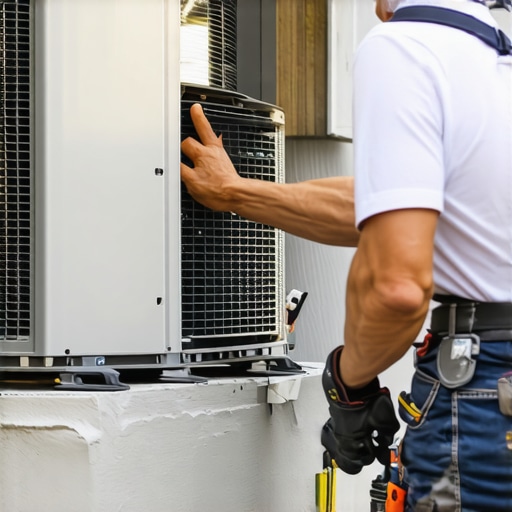
I vividly remember a scorching summer day when my old air conditioner finally gave out. The unbearable heat seeped into every corner of my home, and I felt helpless. That moment was a real eye-opener. I realized how much I depended on a properly installed and functioning AC to keep my home comfortable and safe. Since then, I’ve dedicated myself to understanding the ins and outs of AC installation and repair, so others don’t have to experience that same frustration.
Why Proper AC Installation Matters More Than Ever
In today’s fast-paced world, a reliable cooling system isn’t just a luxury — it’s a necessity. With climate change intensifying heatwaves, the importance of a correctly installed AC unit has skyrocketed. A poor installation can lead to increased energy bills, frequent breakdowns, and even health issues caused by inconsistent temperatures. According to recent studies, improperly installed HVAC systems can reduce efficiency by up to 30%, costing homeowners hundreds of dollars annually. This is why mastering the top AC installation tips is crucial for restoring confidence in your home’s cooling system.
Have You Faced This Problem? Let’s Fix It Together
If you’ve ever struggled with uneven cooling, sky-high energy bills, or constant repairs, you’re not alone. Many homeowners face these issues simply because their AC wasn’t installed correctly in the first place. But don’t worry — understanding key installation strategies can save you time, money, and stress.
Common Mistakes That Undermine Your AC’s Performance
Early in my journey, I made a rookie mistake: I overlooked the importance of proper duct sealing. It seemed minor at the time, but it drastically affected my system’s efficiency. This experience taught me a valuable lesson — even small oversights can have big consequences. To help you avoid the same pitfalls, I recommend reviewing trusted resources like this comprehensive guide to AC installation. It covers everything from choosing the right unit to ensuring proper airflow and insulation, which are essential for optimal performance and longevity.
By understanding and applying these fundamental tips, you can ensure your AC system not only cools effectively but also operates efficiently for years to come. Ready to dive into the practical steps? Let’s get started on restoring your confidence in your home’s cooling system with expert-approved installation tips.
Choose the Right Location for Your AC Unit
Start by selecting an optimal spot outdoors that’s shaded and has good airflow. I once tried installing my unit in direct sunlight, which caused it to overheat and work harder, increasing my energy bills. Positioning the unit away from obstructions ensures it can breathe freely, preventing strain on the system. Consider proximity to your indoor air handler for shorter, efficient duct runs. Proper placement is like giving your system a good foundation — it sets the stage for reliable performance.
Level the AC Unit Accurately
Using a level, I checked the pad or mounting surface during installation, ensuring the unit sat perfectly flat. An uneven placement can cause refrigerant leaks and compressor issues, leading to costly repairs. Think of it as balancing a scale; if it’s tilted, everything else becomes unstable. I learned this the hard way when my unit vibrated excessively, which shortened its lifespan. Always double-check levelness before tightening all bolts and connections.
Secure Proper Ductwork and Seal All Leaks
Inspect and Seal Ducts
When I replaced my ducts, I used mastic sealant and foil tape to seal all joints. This step is crucial because leaks can cause your system to work harder, wasting energy and reducing cooling capacity. Imagine trying to fill a leaky bucket — no matter how much water you pour, some will escape. Sealing ducts ensures maximum airflow and efficiency, keeping your home comfortable without skyrocketing bills. For detailed duct sealing techniques, visit this expert guide.
Ensure Proper Insulation
Insulating the refrigerant lines and ductwork prevents energy loss. During my own setup, wrapping lines with foam insulation kept the refrigerant cold and improved system response. It’s like wrapping a hot cup of coffee; insulation keeps the temperature steady. Proper insulation boosts efficiency and prolongs system life.
Connect Electrical Components Safely
I always followed manufacturer instructions meticulously when wiring the AC. Incorrect wiring can cause short circuits or system failure, which I experienced firsthand when a sloppy connection tripped my breaker. Use a dedicated circuit and ensure all connections are tight and insulated. If unsure, consulting a licensed electrician or professional HVAC technician can save you from future headaches. For safety and compliance tips, check this reliable resource.
Test and Fine-Tune Your System
Once installed, I ran my system in cooling mode and checked airflow at various vents. I also measured temperature differences to confirm proper operation. Adjusting the thermostat and ensuring no unusual noises or vibrations were signs of a successful install. Think of this as a test drive; it’s your chance to catch issues early. Regular maintenance and periodic inspections keep your system running smoothly long-term. For ongoing tips, visit this preventative maintenance guide.
Many homeowners believe that as long as the outdoor unit is placed in a shaded spot and the wiring is correct, their AC system will perform optimally. However, this oversimplified view masks several nuanced aspects that can significantly impact system efficiency and longevity. Let’s dig deeper into what most people get wrong about AC installation and explore the hidden nuances that can make or break your cooling experience.
Myth: Bigger AC Units Always Cool Better
One common misconception is that larger units will cool a space faster and more efficiently. In reality, an oversized AC can cause short cycling, where the system turns on and off frequently. This not only wastes energy but also wears out components faster. Proper sizing, based on a detailed load calculation, is essential. For this, many overlook the importance of professional assessments, which consider factors like insulation, window orientation, and local climate. For a comprehensive understanding, review this guide on AC installation.
Oops! The Trap of Poor Duct Sealing
Sealing ductwork properly is often underestimated. Even a perfectly matched unit can underperform if leaks exist. Air escaping from poorly sealed ducts can cause uneven cooling and increased energy bills. An advanced mistake is assuming all duct leaks are minor; in fact, even small leaks can lead to 20-30% efficiency loss. Using mastic sealant and ensuring all joints are airtight is crucial. For detailed duct sealing techniques, consult this expert resource.
Why Is Insulation More Critical Than You Think?
Many homeowners focus on the indoor thermostat and ignore the refrigerant lines and duct insulation. Proper insulation prevents thermal transfer, ensuring that cooled air stays inside and hot air stays out. Neglecting insulation can cause your system to work harder, reducing efficiency. Advanced installers use foam or rubber insulation on refrigerant lines and ductwork to optimize performance. This subtle step can save significant energy and prolong system life.
Advanced Question: How Do I Identify and Correct System Imbalances?
Beyond installation, system balance is crucial. An unbalanced system can result from improper airflow, incorrect refrigerant charge, or uneven duct design. These issues often manifest as cold spots, uneven cooling, or increased energy use. Diagnosing and correcting these problems requires professional tools like airflow meters and refrigerant gauges. Regular maintenance and system audits help catch imbalances early. For more insights, explore this resource on system longevity.
Remember, successful AC installation is about paying attention to these nuanced details. Failing to address them can lead to costly repairs and inefficiencies down the line. Have you ever fallen into this trap? Let me know in the comments.
Maintaining your air conditioning system over time requires the right tools and disciplined routines. As someone who has installed and repaired countless units, I can confidently say that having a few specialized tools makes all the difference in ensuring longevity and optimal performance. In this article, I’ll share my go-to equipment and maintenance practices to keep your AC working reliably for years to come.
How do I maintain my AC over time?
First, invest in a high-quality digital multimeter. I use the Fluke 117 for its precision and durability. It helps me troubleshoot electrical issues quickly, ensuring that connections are solid and that components like capacitors are functioning correctly. Remember, safety is paramount; always disconnect power before testing any electrical parts.
Next, a reliable refrigerant gauge set is essential. I recommend the Yellow Jacket 42000 for its accuracy. Proper refrigerant levels are critical for efficiency, and having the right tools allows you to detect leaks or insufficient refrigerant charge early, preventing major failures down the line.
For duct inspection and sealing, a good infrared camera is invaluable. I personally use the FLIR E8, which reveals temperature anomalies indicating leaks or inadequate insulation. Addressing these issues promptly maintains airflow and prevents energy waste.
Regular cleaning tools also play a vital role. A soft brush and vacuum with a narrow nozzle help me remove dust and debris from the condenser coils and air filters without damaging delicate fins. Keeping these components clean improves heat exchange and reduces strain on the compressor.
Predictions for the Future of AC Maintenance Tools
Looking ahead, I believe the integration of IoT sensors and smart diagnostics will revolutionize maintenance routines. Imagine an AC unit that self-monitors its health, alerts you to potential issues via a smartphone app, and even schedules repairs automatically. Investing in current manual tools now prepares you for this upcoming shift towards smarter, more autonomous systems.
Try This Advanced Tip: Use a UV Leak Detection Kit
For detecting refrigerant leaks more efficiently, I highly recommend investing in a UV leak detection kit. These kits contain dye that fluoresces under ultraviolet light, making leaks visible even in hard-to-reach areas. Applying this dye during regular maintenance allows you to catch leaks early, saving you money and preventing system failure. For detailed instructions, check out this comprehensive guide.
Maintaining your AC isn’t just about having the right tools; it’s also about developing a routine that includes regular inspections, cleaning, and professional checkups. With the right equipment and approach, you can ensure your cooling system stays efficient and reliable, saving you money and stress in the long run.
The Hardest Lesson I Learned About AC Installation
One of the most eye-opening moments in my journey was realizing that even a small oversight, like neglecting duct sealing, could drastically reduce system efficiency. It taught me to pay close attention to detail and understand that perfection lies in the nuances of installation.
3 Myths About AC Sizing That Held Me Back
I used to believe that bigger was always better when selecting an AC unit. Learning that oversized units cause short cycling and inefficiency was a game-changer. Proper sizing based on professional load calculations is essential for optimal performance.
What Experts Won’t Tell You About Duct Sealing
Many overlook the importance of sealing every duct joint meticulously. Even tiny leaks can cause significant energy loss. Investing in high-quality mastic sealant and inspecting ducts regularly has saved me from costly repairs and inefficient cooling.
My Essential Toolkit for AC Installation
Tools like a digital multimeter, refrigerant gauge set, and infrared camera have been indispensable. I trust these because they help me diagnose issues accurately and ensure a long-lasting, efficient system. Regular use of these tools keeps my AC in top shape and prevents surprises.
Your Turn to Take Action with Your AC System
Remember, the key to effective AC installation and maintenance lies in attention to detail and ongoing learning. Don’t hesitate to dive deeper into trusted resources like this comprehensive guide. Your comfort and savings depend on it. Now, I challenge you to review your current setup and identify one area for improvement — your future cooling efficiency depends on your action today!
http://Michael%20Anderson
Reading through this detailed guide on AC installation truly resonated with my own experiences. Proper placement and leveling really did make a difference in how effectively my system performs and in reducing operational noise. I remember in my early installations, I overlooked the importance of duct sealing, which resulted in uneven cooling and higher energy bills. Since I started sealing every joint meticulously, my system has been so much more reliable and efficient. The emphasis on insulation and safe electrical connections also highlights areas many DIYers often neglect. Have others here found specific tools or techniques particularly helpful in identifying duct leaks or system imbalances? I’ve had success using infrared cameras for thermal inspection, which revealed leaks I couldn’t see otherwise. It’s a game-changer for troubleshooting. Overall, this post emphasizes the fine details that really make a difference—what’s one advanced tip you all swear by for ensuring your AC runs at peak performance?