The Furnace Repair Vancouver Homeowners Forget Until It Starts Leaking Water
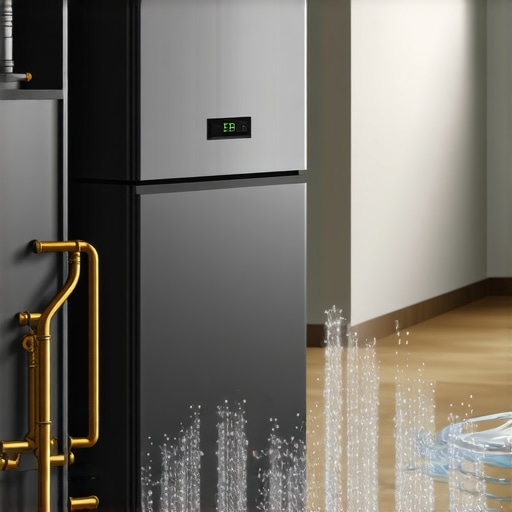
Imagine it is a typical rainy Tuesday evening in the Lower Mainland. You head down to your basement or open your utility closet to grab a jacket, and you step into a cold, shallow puddle. Your first thought might be a burst pipe or a failing water heater. But as you look closer, the source isn’t the plumbing – it’s your furnace. For many, this is a moment of pure confusion. Why is a machine designed to create heat suddenly acting like a leaky faucet?
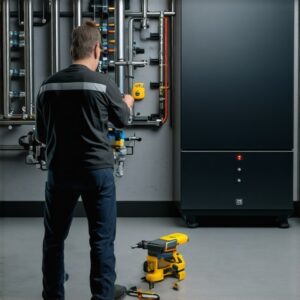
I’m Terence Chan, President and Founder of Impetus Plumbing and Heating. With over 12 years of experience serving homeowners from West Vancouver to Surrey, I have seen thousands of heating systems. One of the most common service calls we receive during the peak of winter isn’t for a “no-heat” situation, but for a water leak. It is the furnace repair Vancouver homeowners almost always forget about until the damage is already done. While we traditionally think of furnaces as dry, combustion-based machines, modern high-efficiency units are actually significant water producers. When that water has nowhere to go, it ends up on your floor, leading to costly drainage repairs and potential structural damage.
Why High-Efficiency Furnaces Produce Water (The Science of Condensation)
To understand why your furnace is leaking, you first have to understand how modern heating technology has changed. In the past, conventional furnaces (those with an AFUE rating of 80% or lower) were relatively simple. They burned gas, used a single heat exchanger to warm the air, and vented the hot exhaust gases directly up a chimney or flue. Because those exhaust gases remained very hot, any moisture stayed in a vapor state and exited the home.
However, modern high-efficiency furnaces – those rated 90% AFUE and above – work differently. To squeeze every bit of heat out of the fuel, these units utilize a second heat exchanger. As the exhaust gases pass through this secondary exchanger, they cool down significantly. When the temperature drops below the dew point, the water vapor in the exhaust condenses into liquid water. This is why these units are often called “condensing furnaces.”
According to industry data, a high-efficiency furnace can produce several gallons of water every single day during a typical Vancouver cold snap. Under normal circumstances, this water is collected in a internal condensate pan and routed out of the house through a PVC drain pipe. As I often tell my clients, “A puddle under your furnace isn’t just a mess; it’s a message that your system’s drainage or heat exchange process is failing.” Understanding this science is the first step in choosing the right HVAC fixes for your home.
The Most Common Culprit: Clogged Condensate Drains and Lines
The most frequent reason for a furnace water leak is a failure in the drainage system. Because the water produced by your furnace is slightly acidic, it is traditionally moved through 3/4-inch PVC piping rather than metal. Over time, this drainage path can become a breeding ground for problems. Dust, dander, and microscopic debris that bypass your furnace filter can mix with the condensate to create a sludge-like substance. In the damp environment of the Lower Mainland, algae and mold can also grow inside these lines.
When the drain pipe repair is neglected, the blockage grows until the water can no longer flow to the floor drain or condensate pump. Since the furnace continues to produce water as long as it is running, the liquid eventually backs up into the furnace cabinet. This can cause the internal components to rust and, eventually, spill out onto your basement floor. This is where leak detection becomes critical. If you see water pooling around the base of the unit, the primary suspect is almost always a clogged condensate trap or a blocked exit line.
If you are searching for a drain service near me because of a mysterious puddle, don’t overlook the furnace. Many homeowners call a plumber Vancouver thinking they have a foundation leak, only to find out their HVAC system simply needs a professional line flush. Proper drainage repairs in this context involve clearing the internal trap and ensuring the pitch of the PVC pipe allows for gravity-fed drainage.
For more technical details on this specific issue, you can read our guide on the simple reason your furnace drain pipe is leaking water all over the floor.
When the Humidifier Becomes the Problem
In the Vancouver area, many homeowners opt for a whole-home bypass humidifier attached to their furnace. Our winters can be damp outside, but the process of heating that air for your home often strips it of moisture, leading to dry skin and static electricity. While these humidifiers are great for comfort, they are a very common source of “furnace” leaks.
A bypass humidifier works by running water over a porous pad while the furnace blower is active. If the humidifier’s drain line becomes clogged (similar to the furnace’s own drain), or if the scale and mineral deposits from our local water supply build up, the water will overflow the humidifier housing. Furthermore, the solenoid valve – the component that turns the water on and off – can become stuck in the open position. When this happens, water flows continuously, eventually overwhelming the system and leaking down the side of the furnace.
If you suspect this is the case, look for water marks or white calcium deposits on the exterior of the furnace “jacket.” This is a classic sign that the plumbing surrey bc or plumbing vancouver issues you are facing are actually localized to the humidifier. We have a detailed breakdown on fixing the water leak under your furnace: bypass humidifier repair tips to help you troubleshoot this specific component.
The “Silent Killer”: Cracked Heat Exchangers and Secondary Failures
While most leaks are related to simple drainage issues, there is a more serious side to furnace water. If a high-efficiency furnace is leaking internally, it could indicate a failure of the secondary heat exchanger. This component is usually made of stainless steel to resist the acidic nature of the condensate, but it is not invincible. If the heat exchanger cracks, it doesn’t just leak water; it can leak carbon monoxide (CO) into your home’s air supply.
This is why a water leak should never be ignored. It serves as a visual warning sign of a potential safety hazard. When we perform a furnace repair vancouver service, we don’t just look at the puddle; we look at the integrity of the combustion process. If the water is leaking from the heat exchanger itself rather than the collection box or the drain lines, the unit may be unsafe to operate. This is a situation where you need emergency services plumbing and HVAC expertise immediately.
We highly recommend that homeowners invest in regular safety checks. You can learn more about how we use technology to spot these issues in our article on using combustion analysis to find hidden cracks in your heat exchanger. Ignoring a small leak today could lead to a life-threatening situation tomorrow.
Regional Focus: Why Lower Mainland Homes are Vulnerable
Living in the Lower Mainland presents unique challenges for HVAC systems. Whether you are looking for plumbers in coquitlam bc, a plumber burnaby, or plumbing north van, the environmental factors remain the same: high humidity and fluctuating temperatures.
In areas like North Vancouver and West Vancouver, homes are often built on slopes or have older foundation styles. This can lead to higher baseline humidity in basements, which accelerates the growth of algae in furnace drain lines. In Surrey and Burnaby, we see many older home conversions where furnaces have been moved or upgraded without properly updating the floor drain infrastructure. If your furnace is located in a crawlspace or a tight utility closet, the lack of airflow can exacerbate moisture problems.
Furthermore, Vancouver’s “wet” winters mean that your furnace is working hard to dehumidify and heat the air simultaneously. This increased load means more condensate production. If you have an older home in West Vancouver, your plumbing vancouver bc needs might include ensuring that your furnace’s condensate is being neutralized before it hits your old cast-iron sewer pipes, as the acidic water can eat through metal over time.
The Importance of the Furnace Filter
You might wonder what a filter has to do with a water leak. The answer is: everything. A dirty furnace filter restricts airflow. When airflow is restricted, the internal temperature of the furnace can fluctuate wildly. In some cases, the cooling of the air inside the cabinet can cause “flash condensation” on surfaces that aren’t designed to handle water.
Moreover, a clogged filter allows more dust to enter the internal cabinet, where it settles into the condensate pan and creates the “sludge” that clogs your drain pipe repair efforts. If you haven’t checked your filter in three months, that is the first place to start. For those using high-capacity filters, check out our insights on the truth about how often you should change a 4-inch furnace filter.
DIY vs. Professional Intervention: When to Call a Plumber
As a homeowner, there are a few things you can do to troubleshoot a leak before calling in an hvac company Vancouver.
The DIY Checklist:
- Check the Filter: Ensure it is clean and installed in the correct direction.
- Inspect the PVC: Look for any obvious cracks or loose joints in the white drain pipes exiting the furnace.
- Clear the Floor Drain: Ensure the puddle isn’t caused by a backed-up floor drain (a common plumbing vancouver issue) rather than the furnace itself.
- Check the Humidifier: Turn off the water supply to the humidifier to see if the leaking stops.
When to Call a Professional:
- Internal Leaks: If the water is coming from inside the sealed combustion chamber.
- Gas Smells: If you smell “rotten eggs” near the leak.
- Electrical Issues: If the water is dripping onto the circuit board or blower motor.
- Frequent Cycling: If the furnace is turning on and off rapidly while leaking.
When you need a plumber vancouver bc or a specialist in plumbing services near me, it is vital to choose someone who understands the intersection of plumbing and HVAC. A furnace leak is a hybrid problem – it involves gas combustion, electrical controls, and moisture management. For more help deciding if your situation is a “fix it yourself” or a “call the pros,” see our post on how to identify when furnace repair is urgent and why.
Conclusion: Prevention is Cheaper Than Emergency Repair
The puddle under your furnace is a symptom, not the disease. Whether it is a simple matter of drainage repairs, a garburator fix that went wrong and affected the shared drain line, or a more serious failure of the heat exchanger, addressing the issue early is the only way to save money and ensure safety.
Vancouver homeowners often forget that their heating system is also a plumbing system. By the time the water is visible on the floor, the internal components have likely been sitting in moisture for weeks. Annual maintenance – including a full flush of the condensate lines and a combustion analysis – is the best way to prevent the “forgotten” repair from becoming a household disaster.
At Impetus Plumbing and Heating, we specialize in the complex systems that keep Lower Mainland homes comfortable and safe. From boiler repairs near me to air duct cleaning vancouver and comprehensive furnace repair vancouver, we have the expertise to keep your basement dry and your family warm.
Don’t wait for the puddle to get deeper. Contact Impetus Plumbing and Heating today for professional furnace maintenance and repair across Vancouver, Surrey, Burnaby, and Coquitlam.