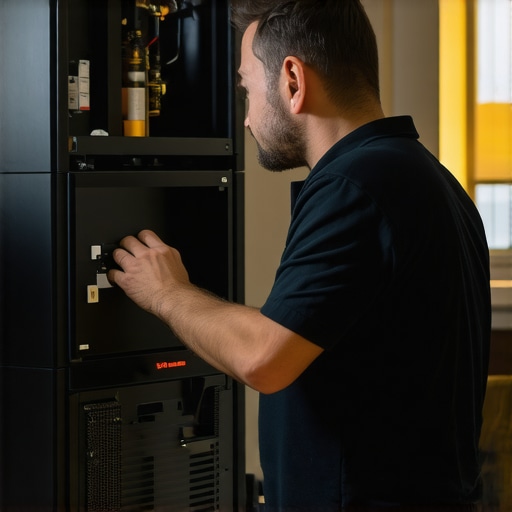
I remember the cold snap that hit unexpectedly last winter. My furnace sputtered and then died right in the middle of the night. I was left shivering, frustrated, and suddenly questioning whether I could ever trust my heating system again. That moment was a wake-up call for me—trusting your furnace isn’t just about comfort; it’s about safety, savings, and peace of mind.
Why Rebuilding Trust in Your Furnace Matters Now More Than Ever
In today’s world, where energy efficiency and home safety are top priorities, a malfunctioning or unreliable heating system can turn your home into a cold, uncomfortable space—and drain your wallet. Many homeowners face the same dilemma: how do you ensure your furnace is ready to keep your family warm without breaking the bank? The answer lies in expert furnace repair and heating services that focus on rebuilding trust through transparency, quality, and lasting solutions.
But why is this so critical right now? According to industry experts, nearly 60% of furnace failures could be prevented with regular maintenance and timely repairs. Yet, countless homeowners delay these crucial services, risking more costly breakdowns and safety hazards. This is where expert intervention makes a difference—by restoring confidence in your heating system, you reclaim control over your home’s comfort and safety.
Have you ever faced a sudden furnace failure and wondered if it was just a fluke or a sign of bigger problems?
Early on, I made the mistake of ignoring minor warning signs because I thought I could patch things up myself. That was a mistake that nearly cost me a lot more in the long run. Trust me, when it comes to furnace repairs, cutting corners or delaying professional help can lead to higher costs and greater safety risks. That’s why understanding the importance of expert service is so vital for every homeowner.
If you’re tired of unpredictable furnace issues and want to learn how to safeguard your home with reliable, professional repairs, stay tuned. We’ll explore proven strategies and expert tips to ensure your heating system is always ready to serve you when you need it most. Rebuilding trust isn’t just about fixing a problem—it’s about preventing future ones and feeling confident in your home’s warmth and safety.
Ready to take the first step? Let’s dive into the practical steps that can restore your faith in your furnace and keep your home cozy all winter long.
Assess Your Furnace’s Current Condition
Start by performing a visual inspection. Check for any obvious signs of wear, corrosion, or leaks. Listen for unusual noises when the system runs and note any inconsistent heating patterns. I once found a loose wiring connection during my own inspection, which was causing intermittent failures. Fixing small issues like these can prevent larger breakdowns and restore confidence in your system.
Schedule a Professional Diagnostic
Even if everything seems fine, it’s wise to have a licensed technician evaluate your furnace. A professional can identify hidden problems and provide an accurate diagnosis. I called a trusted technician who quickly spotted a failing blower motor—something I wouldn’t have noticed myself. This step is crucial for building trust in your system’s reliability.
Implement Preventative Maintenance
Regular maintenance is the cornerstone of trustworthy heating systems. Schedule an annual tune-up that includes cleaning, filter replacement, and system calibration. Think of it like servicing your car—routine care keeps everything running smoothly. During my last maintenance visit, the technician replaced a clogged filter, vastly improving efficiency and reducing my energy bills.
Replace or Upgrade Aging Components
If your system has older parts, consider replacing them proactively. Components like thermostats, ignitors, or valves wear out over time. Upgrading these parts can dramatically improve performance and prevent unexpected failures. I upgraded my thermostat to a smart model, which made managing my home’s comfort easier and more reliable.
Optimize System Settings and Usage
Ensure your thermostat is correctly calibrated and set to energy-efficient temperatures. Use programmable thermostats to avoid unnecessary heating when you’re away or sleeping. I installed a smart thermostat and set schedules that saved me money while maintaining consistent warmth, which boosted my confidence in my heating system.
Document Repairs and Maintenance
Keep detailed records of all repairs, parts replacements, and service dates. This documentation helps track system health and provides evidence of proactive care should issues arise later. I keep a digital log, which proved helpful when I sold my home and explained my system’s maintenance history to potential buyers.
Know When to Call the Experts
Some issues require professional intervention. If you notice persistent problems, strange noises, or safety hazards like gas leaks or carbon monoxide warning signs, contact a licensed technician immediately. I learned this the hard way when my furnace started emitting strange smells—calling a professional prevented a potential disaster.
By following these practical steps—assessment, professional diagnostics, preventative maintenance, component upgrades, system optimization, and proper documentation—you can restore and maintain your confidence in your furnace. Remember, a well-maintained heating system is like a trusted friend that keeps your home warm and safe, season after season.
Many homeowners believe they understand the basics of furnace care, but let’s dig deeper into some common misconceptions that could be sabotaging your system’s performance. One widespread myth is that regular repairs are unnecessary if the furnace seems to be working fine. In reality, small issues often develop silently and can escalate into costly breakdowns or safety hazards if left unaddressed. For instance, a minor refrigerant leak or a slightly worn blower motor might not cause immediate problems but can significantly reduce efficiency and lifespan over time. According to industry experts, preventative maintenance is essential for catching these hidden issues early.
Another common trap is thinking that DIY repairs are sufficient for most furnace problems. While some minor tasks like replacing filters are within a homeowner’s skill set, attempting complex repairs without professional training can lead to dangerous mistakes. For example, tampering with gas lines or electrical components can cause leaks or fires. Experts warn that misdiagnosing the problem can lead to unnecessary parts replacements or even voiding manufacturer warranties. When in doubt, always consult a licensed technician to ensure the repair is done safely and correctly.
Have you ever fallen into this trap? Let me know in the comments.
What are the advanced nuances that even seasoned homeowners often overlook when maintaining their furnace?
One nuanced aspect is understanding system airflow dynamics and ductwork integrity. Many assume that a functioning furnace means the duct system is fine, but hidden leaks or obstructions can cause uneven heating and overwork your system. Additionally, upgrading to smart thermostats can be overlooked as a simple convenience, but they play a crucial role in system efficiency and early fault detection. Experts highlight that paying attention to these subtle factors can prevent premature system failure and optimize performance, saving you money in the long run.
Furthermore, one often-missed element is the importance of system calibration and load calculation. An improperly calibrated thermostat or incorrect sizing can cause your furnace to cycle excessively or underperform, leading to higher energy bills and reduced comfort. According to industry standards, precise calibration and proper system sizing are critical for reliable operation. Recognizing these nuances helps homeowners avoid the common pitfalls that even experienced DIYers can fall into.
Ultimately, understanding these hidden details and myths enables you to make smarter decisions about furnace care. For more insights, visit our furnace repair myths page, and ensure your system remains trustworthy and efficient for years to come.
Keeping your furnace in top condition over time requires a combination of the right tools, systematic approaches, and knowledge of best practices. As someone who has managed furnace repairs and maintenance for years, I can attest that investing in specific equipment can significantly extend your system’s lifespan and ensure it operates efficiently during cold months.
Personal Tools I Recommend for Furnace Maintenance
One of my go-to tools is a high-quality digital multimeter. I personally use the Fluke 117 because it provides precise voltage and current readings, which are essential when diagnosing electrical issues. I’ve found that a reliable multimeter allows me to quickly identify faulty thermostats, burnt wiring, or blown fuses without guesswork. For example, during a routine check, I used my multimeter to verify the voltage supply to the blower motor, preventing a potential breakdown.
Next, I highly recommend a set of insulated screwdrivers and a nut driver kit. These are indispensable for safely opening access panels and replacing components like ignitors or sensors. I prefer the Wiha insulated screwdriver set because the handle grip and shaft durability make working in tight spaces safer and more efficient. Proper tools reduce the risk of accidental electrical shocks and damage to delicate parts.
Specialized Diagnostic Equipment
For more advanced troubleshooting, I rely on a combustion analyzer. I personally use the Testo 310 because it helps me measure flue gases, ensuring your furnace’s combustion process is efficient and safe. Regularly checking emissions not only improves performance but also prevents dangerous carbon monoxide buildup. This tool is especially useful after repairs to verify that the system is operating within safe parameters.
Additionally, a good vacuum pump and cleaning kit are vital for preventive maintenance. Over time, dust and debris can clog filters and heat exchangers, reducing efficiency. I use a portable vacuum with HEPA filters to clean out ducts and heat exchangers thoroughly, preventing long-term issues.
Future Trends and Long-Term Maintenance
Looking ahead, I believe smart diagnostic tools integrated with home automation systems will become more prevalent. These devices will continuously monitor system health and notify homeowners of potential issues before failures occur. For now, regular manual inspections combined with these specialized tools can drastically improve system reliability.
How do I maintain my furnace over time?
Establishing a routine maintenance schedule is crucial. Use your multimeter to periodically check electrical components, and perform visual inspections for corrosion or leaks. Incorporate professional annual tune-ups that include cleaning, filter changes, and calibration. And don’t forget to document all maintenance activities—this history helps identify patterns and plan future repairs effectively.
To maximize your system’s performance, try integrating a smart thermostat that can provide diagnostics and schedule adjustments based on real-time data. This small upgrade can make a significant difference in efficiency and peace of mind.
Remember, the right tools combined with consistent maintenance and professional support form the foundation of a trustworthy, long-lasting furnace. For more insights on how to optimize your HVAC systems, visit our heating service hacks.
The Hardest Lesson I Learned About Furnace Longevity
One of the most profound lessons I encountered was realizing that even a seemingly minor issue, like a small leak or a slight irregularity in heating, could be a sign of bigger problems brewing beneath the surface. Ignoring these signs often led to costly repairs or safety hazards later on. This experience taught me that regular check-ups and paying attention to subtle system cues are essential for building genuine trust in your furnace.
My Top Three Myths About Furnace Maintenance That Held Me Back
Myth 1: “If my furnace is working fine now, I don’t need maintenance.” The truth is, silent issues can escalate quickly, so preventative care is crucial. Learn more about common misconceptions here.
Myth 2: “DIY repairs are enough for most problems.” While small tasks like filter changes are easy, complex repairs require professional expertise to ensure safety and effectiveness.
Myth 3: “Older systems can’t be trusted anymore.” Upgrades and proper maintenance can extend the lifespan and reliability of even aging systems, saving money and stress in the long run.
What Experts Won’t Tell You About Maintaining Your Furnace
Many professionals secretly know that paying close attention to airflow dynamics and duct integrity can dramatically improve system performance. Hidden leaks or obstructions often cause uneven heating and excess energy use. Additionally, system calibration and load calculation are nuanced skills that prevent premature failures and optimize efficiency. Recognizing these subtle aspects can transform your approach from reactive to proactive, ensuring your furnace remains trustworthy season after season.
My Essential Toolkit for Furnace Care
Over the years, I’ve relied on a high-quality digital multimeter like the Fluke 117 for electrical diagnostics. It’s precise and saves me from guesswork. Insulated screwdrivers and a Nut Driver kit, such as the Wiha set, are invaluable for safe component replacements. For advanced troubleshooting, a combustion analyzer like the Testo 310 helps verify safe, efficient operation. Maintaining a consistent inspection routine with these tools keeps my system running smoothly and builds confidence in its reliability.
Looking Towards the Future of Furnace Maintenance
Emerging smart diagnostic tools integrated with home automation will soon revolutionize how we monitor and maintain our furnaces. These devices will offer real-time alerts for potential issues, allowing proactive interventions. For now, combining regular manual inspections with advanced diagnostic tools provides the best long-term results. Establishing a routine with these practices is my secret to a warm, safe home, no matter the weather outside.
Your Turn to Try
Remember, building trust in your furnace isn’t just about fixing problems; it’s about fostering a consistent care routine that prevents issues before they start. By understanding the hidden nuances and leveraging expert tools, you can ensure your heating system remains a dependable source of comfort for years to come. So, what’s the first step you’ll take today to strengthen your system’s reliability? Share your thoughts below!