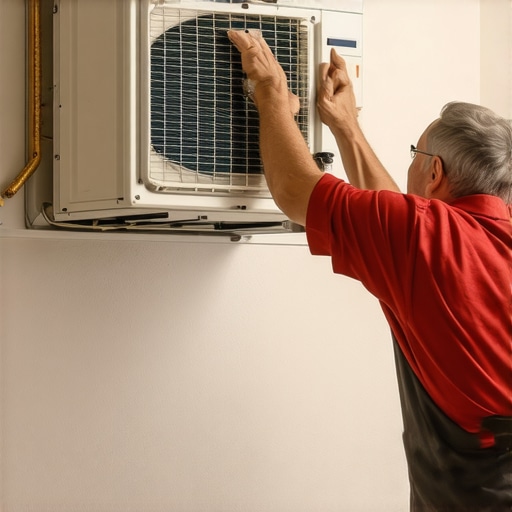
I remember the sweltering summer day when my air conditioner decided to give up just as a heatwave hit our town. That moment of helplessness hit hard. I was left sweating, frustrated, and questioning whether I could trust my HVAC system anymore. It was a lightbulb moment that made me realize how crucial a reliable HVAC system is to our daily comfort and peace of mind.
Why Trusting the Experts Matters More Than Ever
When it comes to HVAC repairs and AC installations, many homeowners face the same dilemma: should I try to fix it myself or call in the pros? Early on, I made a costly mistake trying to handle a furnace repair myself. I ignored the warning signs and ended up causing more damage, which prolonged the problem and increased my costs. That experience taught me that expert service is worth every penny, especially when restoring confidence in your home’s climate control system.
Is DIY HVAC Repair Actually Worth the Hype?
Let’s be honest—most of us aren’t HVAC technicians. Attempting repairs without proper knowledge can lead to bigger issues, safety hazards, and even voided warranties. Experts bring specialized tools, training, and experience to diagnose and fix problems efficiently. For instance, knowing how to identify when a furnace needs urgent repair can prevent breakdowns during cold months. If you’re unsure, check out this guide to determine when professional intervention is necessary.
So, if your AC or furnace isn’t working as it should, the best move is to consult skilled professionals. They can help you avoid costly mistakes and ensure your system runs smoothly for years to come. Ready to learn how expert HVAC repair and installation can truly restore your home’s confidence and comfort? Let’s dive into the steps that will make you feel secure about your climate control systems.
Inspect the System Carefully to Identify Issues
Start by performing a thorough visual check of your HVAC unit. Look for obvious signs of wear, leaks, or debris that could hamper performance. When I faced my first DIY repair, I found a clogged condensate drain line that caused my AC to shut down unexpectedly. Clearing this simple blockage restored cooling temporarily, but I soon realized a deeper diagnosis was needed.
Learn the Core Components and Their Functions
Understanding key parts like the compressor, evaporator coil, and thermostats helps you pinpoint problems. Think of your HVAC system as a well-oiled machine—if one part is out of sync, the entire system suffers. I watched tutorial videos and read guides, which demystified the process and empowered me to check if, for example, the compressor was functioning correctly before calling professionals.
Use Diagnostic Tools for Precise Troubleshooting
Invest in or rent basic HVAC diagnostic tools such as multimeters or pressure gauges. These tools help determine if electrical components are delivering power or if refrigerant levels are adequate. During my second repair attempt, I tested the capacitor with a multimeter. It showed signs of failure, prompting me to replace it and avoid an unnecessary callout.
Prioritize Safety and Know When to Call Pros
Never compromise safety—shut off power before inspecting or repairing. If you encounter high-pressure refrigerant lines or electrical hazards, stop and contact experts. I learned this the hard way when I tried to repair a refrigerant leak without proper equipment. A quick consultation with a licensed technician saved me from potential injury and costly damage. Check this guide to assess when urgent repairs are necessary.
Implement Preventative Maintenance to Extend System Life
Regularly clean filters, replace worn parts, and schedule professional inspections. I set reminders to check my filters every three months, which significantly improved efficiency. For comprehensive tips, visit Preventative HVAC Repair Tips. This proactive approach keeps your system running smoothly and reduces emergency breakdowns.
Document Repairs and Keep Records
Maintain detailed logs of repairs, parts replaced, and service dates. This habit helped me track recurring issues and provided valuable information for technicians. When my HVAC system needed a major upgrade, having detailed records made the installation process faster and more predictable. For expert installation advice, see AC Installation Tips.
Seek Professional Help for Complex Repairs
Recognize your limits and hire certified technicians for complex issues. Professionals have the right tools and experience to restore your system efficiently. I finally contacted a trusted HVAC service after attempting to fix a failing heat pump myself. Their expertise not only fixed the problem but also improved my system’s overall efficiency. Find trusted services here: Contact Us.
Many homeowners operate under misconceptions about HVAC systems that can lead to costly mistakes. Let’s dig deeper into some of the most persistent myths and reveal the truth behind them. Understanding these nuances can save you money, extend your system’s lifespan, and improve your comfort.
Why do so many get HVAC wrong, and what’s the hidden trap?
One of the biggest misconceptions is believing that bigger HVAC units are always better. This is not true and often leads to inefficient operation, higher energy bills, and more frequent breakdowns. An oversized system may cycle on and off more frequently, causing unnecessary wear and tear. Proper sizing is critical — a professional load calculation ensures your system matches your home’s specific needs. For detailed insight, check this guide.
Another common myth is that regular maintenance isn’t necessary if the system seems to run fine. This can be a costly mistake. Small issues like clogged filters or minor refrigerant leaks can escalate quickly if ignored, leading to bigger repairs or system failure. Preventative maintenance, such as regular filter changes and professional inspections, is essential. For tips on keeping your system in top shape, visit Preventative HVAC Repair Tips.
A particularly sneaky trap is the belief that all refrigerants are the same. In reality, newer systems use environmentally friendly refrigerants with different properties, and using the wrong type can damage your system or void warranties. Always trust licensed technicians to handle refrigerant issues and ensure compatibility. Learn more from industry experts in Furnace Repair Myths Debunked.
How can advanced knowledge improve your HVAC decisions?
For advanced homeowners, understanding the importance of system efficiency and energy ratings is crucial. High SEER (Seasonal Energy Efficiency Ratio) units, for example, can significantly reduce energy costs over time, but the initial investment might seem high. The key is to balance upfront costs with long-term savings. Also, smart thermostats and zoning systems can optimize comfort and reduce waste, but improper installation can negate their benefits. Consult with experts for professional installation to maximize these advantages.
Lastly, don’t fall for the myth that DIY repairs are always a money-saver. While minor maintenance tasks like filter replacement are simple, complex issues such as refrigerant leaks or electrical faults require specialized tools and safety protocols. Attempting DIY fixes on these can be dangerous and may worsen the problem. When in doubt, reach out to trusted professionals via this contact page.
Have you ever fallen into this trap? Let me know in the comments and share your experiences. Correcting these misconceptions can make a significant difference in your HVAC system’s performance and your wallet’s health.
Maintaining your HVAC system’s performance over the long term requires the right tools and consistent effort. As a homeowner who has learned the hard way, I can attest that investing in quality equipment and understanding proper maintenance routines makes all the difference. In this article, I’ll share the specific tools I rely on and practical methods to ensure your system stays efficient and reliable for years to come.
How do I maintain my HVAC system over time?
First, I recommend keeping a digital log of all maintenance activities. This includes filter replacements, inspections, and repairs. Using a simple spreadsheet or specialized app helps track when each task was performed and what parts were replaced. This record proves invaluable when diagnosing recurring issues and provides technicians with essential background during service visits.
Next, invest in a high-quality multimeter. I personally prefer a Fluke multimeter because of its durability and precision. It enables me to quickly test electrical components like relays, capacitors, and contactors, saving me time and money by catching problems early. Regular electrical diagnostics prevent unexpected breakdowns, especially during peak seasons.
For refrigerant-related issues, I use a digital pressure gauge. These gauges provide accurate readings of refrigerant pressure levels, helping me identify leaks or improper charge. Remember, handling refrigerants requires specialized training; always consult professionals if you suspect leaks or need recharge services. Check this guide to determine when urgent repairs are necessary.
Cleaning tools also play a critical role. I recommend a sturdy vacuum with a narrow attachment to clean coils and vents thoroughly. Additionally, a microfiber cloth and coil cleaning solution help maintain the efficiency of your evaporator and condenser coils. Regular cleaning prevents buildup that can impede airflow and reduce system efficiency.
Beyond tools, I advocate for scheduling professional inspections at least once a year. A certified HVAC technician can perform comprehensive checks, including refrigerant levels, electrical connections, and ductwork integrity. To maximize your system’s lifespan, consider exploring top strategies to extend your HVAC system’s life.
Where is the future of HVAC maintenance headed?
Technological innovations are rapidly transforming HVAC maintenance. Smart sensors and IoT devices are being integrated into systems to provide real-time diagnostics and predictive maintenance alerts. This means fewer surprises and more proactive repairs, saving money and reducing downtime. As these trends evolve, homeowners can expect more automated tools that simplify upkeep—making it easier than ever to keep systems running smoothly.
If you haven’t already, try incorporating a smart thermostat combined with diagnostic apps. These tools can monitor your system’s health continuously and notify you when service is needed. Staying ahead of issues not only ensures comfort but also prolongs your HVAC system’s life. Remember, regular maintenance combined with the right tools is your best defense against costly breakdowns and inefficiency. For more detailed advice, check out this comprehensive guide.
The Hardest Lesson I Learned About HVAC Reliability
One of my most eye-opening experiences was realizing that rushing into DIY repairs can sometimes do more harm than good. I once attempted to fix my air conditioner without proper training, only to find myself needing a professional to sort out the mess. That taught me the importance of knowing my limits and trusting experts when it really counts.
Three Myths About HVAC Maintenance That Cost Me Time and Money
I used to believe that changing filters was enough for system upkeep. Turns out, regular professional inspections and understanding core components like the compressor and refrigerant levels are vital. Busting these myths saved me from unexpected breakdowns and costly repairs.
What Industry Insiders Won’t Tell You About System Sizing
Oversized units might seem like the way to go, but they can cause frequent cycling and wear out faster. Getting a professional load calculation was a game-changer, ensuring my system was perfectly matched to my home’s needs, which kept my energy bills in check and my system reliable.
Curated Tools That Transformed My HVAC Routine
- Fluke Multimeter: Trusted for electrical diagnostics, it helped me catch issues early and save money.
- Digital Pressure Gauges: These provided accurate refrigerant readings, preventing leaks and inefficiency.
- HVAC Maintenance Apps: Organize and track service schedules easily, ensuring no task slips through the cracks.
Embrace the Future and Keep Your System in Top Shape
Technological advances like smart sensors and IoT-enabled thermostats are making maintenance smarter and more proactive. Incorporate these tools alongside regular professional checkups to enjoy reliable comfort year-round. Remember, staying ahead of issues is the key to unlocking long-term HVAC confidence.
Ready to take control of your HVAC system with these insider lessons? Share your experiences or ask questions below — I’d love to hear how you’re building confidence in your home’s climate control!