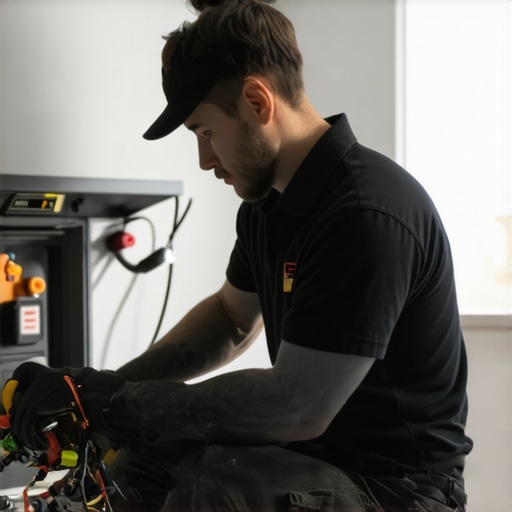
I’ll never forget the cold night I watched my furnace sputter and die. It was late, I was frustrated, and I couldn’t believe how quickly my home went from cozy to freezing. That moment was a wake-up call. I realized that trusting the right heating service isn’t just about fixing a broken system — it’s about restoring confidence and warmth in your home. If you’ve faced similar struggles with unreliable repairs or feel unsure about who to call, this post is for you. Today, I promise to share the secrets I’ve learned to rebuild trust with expert repairs, so you never have to shiver through another cold snap.
Why Trust Matters More Than Ever
Heating systems are the backbone of comfort during chilly months, yet many homeowners hesitate to call in professionals because of past disappointments or fear of being overcharged. The truth is, trusting the right HVAC experts can make all the difference in ensuring your home stays warm and efficient. Early in my own experience, I made the mistake of choosing a cheap, unverified technician—someone who promised quick fixes but left me with recurring issues. That cost me more in the long run. According to industry experts, faulty repairs not only lead to discomfort but can also cause long-term damage to your system, increasing costs and headaches. Building trust with a qualified technician is essential to avoid these pitfalls and keep your system running smoothly for years to come.
Has Your Trust Been Broken by Poor Service?
If you’ve ever been dissatisfied with a heating repair—whether it’s unfulfilled promises, hidden fees, or shoddy work—you’re not alone. Many homeowners feel skeptical about calling repair services again. But here’s the good news: you can turn things around by choosing professionals who prioritize transparency, expertise, and customer satisfaction. Want to know how to identify a trustworthy repair team? Check out this helpful resource on how to identify when furnace repair is urgent. Making informed decisions is the first step to rebuilding trust and ensuring your system gets the care it deserves.
Over the years, I’ve learned that the key to reliable repairs is not just about fixing the problem once, but about developing a relationship with a technician who understands your home’s unique needs. It’s about transparency, consistent quality, and respect for your budget. Ready to learn the practical steps I took to find reputable professionals? Let’s dive into how you can do the same—and keep your home warm without worry.
Choose the Right Technician and Build Confidence
Start by researching local HVAC professionals with solid reviews and verified credentials. Think of this step as dating — you wouldn’t marry someone blindly, so don’t hire blindly either. Visit their contact page and ask questions about their experience, certifications, and guarantees. When I needed a reliable technician, I called several and chose the one who patiently explained their process and provided references. This initial investment in vetting helps set the foundation for trust and ensures you’re dealing with a reputable expert from the start.
Assess the Urgency and Make Informed Decisions
Recognize when your furnace needs urgent attention. If you notice strange noises, poor airflow, or your home isn’t warming up, it’s time to act. Use resources like this guide to determine if professional help is needed immediately. I once ignored subtle signs and ended up with a broken system that cost me more to repair. Being proactive and understanding urgency prevents issues from escalating and fosters trust in your repair choices.
Communicate Clearly and Expect Transparency
When the technician arrives, ask for a detailed diagnosis and written estimate before any work begins. Think of this as getting a map before a journey — it keeps everyone aligned. During my first repair, the technician explained each step and clarified costs, which reassured me and built trust. Don’t hesitate to ask questions about parts, timeframes, or warranties. Transparent communication reduces misunderstandings and strengthens your confidence in the repair process.
Prioritize Quality and Long-Term Solutions
Opt for repairs that address root causes rather than quick fixes. This is like fixing a leak at the source rather than just mopping up the water. For example, I learned that replacing a faulty thermostat and sealing duct leaks prevented recurring issues. Review resources like these tips to understand what constitutes a lasting repair. Investing in quality parts and proper installation demonstrates professionalism and builds trust that your system will perform reliably for years.
Follow Up and Maintain Your System
Trust isn’t built with a single visit — it’s maintained through ongoing care. Schedule regular checkups and preventative maintenance using guides like this maintenance plan. After my last repair, I set reminders for annual inspections, which kept my system efficient and my trust in the technician intact. Consistent maintenance shows your commitment to your system’s health and encourages your technician to prioritize your needs in future visits.
Stay Informed and Empower Yourself
Knowledge is power. Educate yourself about your heating system and common issues through reputable resources. For instance, learning about HVAC repair strategies helps you ask intelligent questions and spot red flags early. The more you understand, the more confident you’ll feel in your choices, turning a potentially stressful experience into a partnership built on trust and expertise.
Many homeowners operate under misconceptions about HVAC repairs, which can lead to costly mistakes. While it’s tempting to believe that all repairs are straightforward or that cutting corners saves money, the reality is quite different. Let’s dig deeper into some of the most common myths and reveal the hidden nuances that can help you make smarter decisions for your home comfort.
Why Do People Still Believe Cheap Repairs Are Enough
One of the biggest misconceptions is that opting for the lowest-priced repair service guarantees savings. However, cheap repairs often come with hidden pitfalls. These technicians might not have proper certifications or use substandard parts, leading to recurring problems and higher costs over time. Industry experts emphasize that investing in quality repairs from trusted professionals, like those listed on their contact page, ensures long-term reliability and savings.
Another common myth is that repairs are always quick fixes. But complex issues, such as duct leaks or faulty thermostats, often require detailed diagnostics and precise work. Skipping these steps can mean that the problem isn’t truly fixed, leading to more breakdowns and higher expenses later. For advanced homeowners, understanding the importance of comprehensive diagnostics is crucial — it’s a nuanced skill that professionals develop over years. To avoid these traps, always ask for a detailed diagnosis and written estimate before work begins, as discussed in our repair hacks guide.
Are All Repairs Created Equal
Many believe that simply replacing a part solves the issue. But in reality, not all parts or repairs are equal in quality or durability. For example, using cheap, incompatible parts might seem like a save initially but can lead to system inefficiency and early failure. Experts recommend prioritizing repairs that address root causes rather than just symptoms, such as sealing duct leaks or upgrading to more efficient components, which can significantly extend your system’s lifespan. Check out this resource for tips on selecting the right fixes.
How Can I Prevent Future Mistakes
The best way to avoid costly mistakes is ongoing maintenance and education. Regularly scheduled checkups, like those outlined in preventative repair tips, keep your system running efficiently and reveal potential issues early. Additionally, understanding when urgent repairs are necessary — as explained in this guide — prevents minor issues from escalating into major failures.
Have you ever fallen into this trap? Let me know in the comments. Remember, the key to reliable, cost-effective HVAC care is informed decisions and trusting the right experts. Don’t let myths cost you more in the long run — choose quality, plan ahead, and stay informed.
Keep Your System Running Smoothly with the Right Tools
Maintaining your heating system over time requires more than just routine checks; it demands the right equipment and a disciplined approach. One tool I personally rely on is a digital manometer, which measures the static pressure of your furnace or boiler. Accurate pressure readings help prevent issues like leaks or blockages that can compromise efficiency. I use a model like the Testo 510, which offers precise readings and easy-to-read displays, ensuring I catch potential problems early before they escalate.
Another must-have device is an infrared thermometer. I use this to quickly identify uneven heating or cold spots in my home, pinpointing areas that might need duct sealing or insulation improvements. The Fluke 62 MAX is my go-to because of its durability and accuracy, especially in cold environments.
For diagnostics, a high-quality multimeter is indispensable. It helps me verify electrical connections, test thermostats, and ensure safety features are functioning correctly. I prefer the Fluke 117 or similar models because they provide reliable readings and have safeguards against false readings due to electromagnetic interference.
Software and Planning for Long-Term Success
Beyond physical tools, I’ve found that scheduling and tracking maintenance with software like ServiceTitan or Housecall Pro makes a significant difference. These platforms allow me to set reminders for annual inspections, filter service history, and plan future upgrades. They also help me communicate effectively with technicians, ensuring that every visit addresses the core issues and not just the symptoms.
Looking ahead, I believe the trend will shift toward smarter diagnostics. Future tools might integrate IoT sensors that continuously monitor system health, alerting homeowners and technicians to issues before they become noticeable. Embracing these innovations now can save time and money, and foster greater trust in your heating system’s reliability.
How do I maintain my heating tools over time?
Regular calibration is key. I make it a point to calibrate my digital manometer and infrared thermometer annually, following manufacturer instructions or consulting technical documentation like industry best practices. Proper storage is also crucial; I keep my tools in a dry, temperature-controlled environment to prevent damage. This routine upkeep ensures that my equipment remains accurate and reliable, providing peace of mind during every maintenance session.
Investing in quality tools and maintaining them diligently has paid off by extending the lifespan of my heating system and reducing emergency repairs. I highly recommend trying out a digital manometer or an infrared thermometer if you haven’t already—these make troubleshooting much more straightforward and precise. Consistent use of these tools, combined with scheduled inspections, helps keep your system in top shape, ensuring warmth and comfort for years to come.
For more detailed guidance on maintaining your HVAC tools and systems, visit this resource.
The Hardest Lesson I Learned About Heating Repairs
One of the most important lessons I learned was that rushing into the cheapest repair options often led to more expenses and frustration. Investing in trusted, quality service providers is key to long-term comfort and reliability.
How I Discovered the Power of Proper Diagnostics
Initially, I underestimated the importance of comprehensive diagnostics. Now, I always ask technicians for a detailed diagnosis and written estimate before work begins. This transparency builds trust and prevents surprises.
Why Building a Relationship with Your Technician Matters
Over the years, I realized that developing a relationship with a reputable technician who understands my home’s unique needs has saved me time, money, and stress. It’s about consistent quality and honest communication.
Curated Tools I Trust for HVAC Maintenance
- Digital Manometer: Helps me measure static pressure accurately, preventing leaks and blockages. I recommend the Testo 510 for its reliability.
- Infrared Thermometer: Identifies uneven heating in my home, like the Fluke 62 MAX, which is durable and precise.
- High-Quality Multimeter: Verifies electrical connections and safety features, with the Fluke 117 being my top choice.
- Maintenance Software: Platforms like ServiceTitan help me schedule and track inspections, ensuring ongoing system health.
Take the Next Step Toward Reliable Heating
Your trust in heating repairs is vital for a warm, comfortable home. Remember, informed decisions and choosing the right professionals can transform your experience. Are you ready to rebuild trust with your HVAC system and enjoy worry-free winters? Share your experiences or questions below—I’d love to hear from you!
http://Rebecca%20Johnson
Reading this post really resonated with my own experiences. I had a similar situation where I thought I could save money by calling a lower-cost technician, but it ended up costing me much more after the problems resurfaced. Since then, I’ve learned how vital it is to do thorough research and focus on certifications and reviews. I also started scheduling regular maintenance, which has kept my system running smoothly and prevented unexpected breakdowns. The tools mentioned, like the digital manometer and infrared thermometer, seem like excellent investments for anyone looking to understand their system better. Personally, I find that being proactive makes such a difference in avoiding emergency repairs. How do others here balance the need for quality repairs with budget considerations, especially during tough economic times? Would love to hear your tips or experiences about managing these costs effectively.
http://James%20Carter
This post hits home for me. I remember a time when my furnace failed right in the middle of winter, and I was tempted to go for the cheapest repair service I could find. Luckily, I took a step back and realized the importance of choosing a qualified technician. Since then, I’ve made it a point to check reviews and certifications thoroughly before hiring anyone. It’s true that investing in quality repair not only ensures reliability but actually saves money in the long run by preventing recurring issues. I especially agree with the advice to build ongoing relationships with trusted professionals; it really does make future repairs smoother and less stressful. During tough economic times, I’ve found that prioritizing preventive maintenance has helped me avoid costly emergency repairs, which is a smarter approach overall. How do others prioritize maintenance on a tight budget? Are there some strategic tips for balancing cost and quality when selecting HVAC services? I’d love to hear your experiences.
http://Laura%20Mitchell
Reading this post really hits home for me. I once ignored some early signs of my furnace struggling, thinking it was just a minor issue I could fix myself or wait out. Unfortunately, that led to a complete breakdown in the dead of winter, which was both inconvenient and costly. Since then, I’ve learned that investing in a trustworthy technician and regular maintenance really pays off in the long run. I especially appreciate the emphasis on transparency and building relationships with local professionals—those relationships can save so much stress! How do others here ensure they stay proactive without breaking the bank? Are there budget-friendly ways to prioritize quality without sacrificing the reliability of repairs? I’d love to hear insights from those who have found smart strategies for balancing cost and trust in home maintenance.