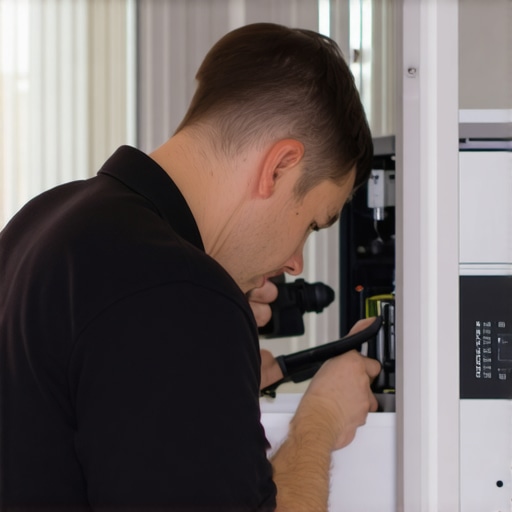
Ever had that moment where you walk into your home after a long day, only to be greeted by an uncomfortable chill or stifling heat? It’s a sinking feeling, realizing that your HVAC system isn’t doing its job, and suddenly, trust in your home’s comfort feels fragile. I remember the first time I faced this dilemma — my old furnace suddenly stopped working during a cold snap. It was a wake-up call that made me realize how much I depended on these systems for peace of mind.
Why Restoring Confidence in Your HVAC Matters More Than Ever
Our homes are supposed to be sanctuaries — places of warmth, coolness, and safety. When your HVAC system falters, it’s not just about comfort; it’s about health, safety, and even your wallet. I’ve learned firsthand that ignoring small issues can lead to costly repairs and bigger breakdowns. Plus, the stress of unpredictable temperatures can take a toll on your well-being. That’s why knowing how to restore trust in your HVAC is crucial. From my experience, a well-maintained system can last longer, operate more efficiently, and keep your home reliably comfortable. If you’ve ever wondered whether your HVAC issues are just minor glitches or signs of something bigger, you’re not alone. I’ve been there, and I want to help you avoid the pitfalls I faced.
Is It Worth Investing in Repairs or Should You Replace?
Early in my journey, I made a mistake I’ll never forget — I rushed into repairs without understanding the root cause. It’s easy to get caught up in quick fixes, but that can sometimes be a waste of money if the system is beyond repair. Instead, I learned to ask myself: Is this repair a short-term fix or part of a long-term solution? For detailed guidance, I recommend checking out this resource on choosing the right HVAC fixes. It helped me make smarter decisions about repairs versus replacements, saving me time and money.
So, if you’re tired of unreliable comfort and want to regain control over your home environment, stay tuned. We’ll walk through proven strategies to rebuild trust in your HVAC system, ensuring your home remains a haven, no matter the weather outside.
Inspect Your System Thoroughly
Start by turning off your HVAC and opening up access panels to check for obvious issues like loose wiring, debris, or dust buildup. I once found a disconnected wire in my furnace, which was causing inconsistent heating. Carefully cleaning filters, coils, and vents can significantly improve performance. Don’t forget to examine your thermostat settings—sometimes, the fix is as simple as recalibrating or replacing batteries. For detailed inspection tips, visit this guide on urgent furnace repairs to identify critical issues early.
Test Your System’s Response
After initial inspection, turn your system back on and observe its operation. Listen for unusual noises or irregular cycles—these often signal underlying problems. For example, I noticed my AC was cycling too often, which made me suspect a refrigerant leak. Using a multimeter, I checked voltage levels to ensure components received proper power. If your system doesn’t respond correctly, it’s time to consider professional diagnostics. Remember, attempting to repair complex issues without proper knowledge can cause further damage; learn more about effective troubleshooting at this blueprint for efficient repairs.
Address Common Failures
Replace or repair worn-out parts like filters, belts, or capacitors. In my case, replacing a faulty capacitor restored my AC’s cooling ability overnight. Always use high-quality replacement parts to ensure longevity. If you suspect the compressor or other major components are failing, evaluate whether repair costs are justifiable by comparing them to replacement estimates. For guidance on making these decisions, check this resource on choosing the right fixes.
Schedule Professional Maintenance
While DIY fixes can address minor problems, a professional tune-up is essential for long-term trust. HVAC experts can perform comprehensive diagnostics, clean critical components, and optimize system efficiency. I scheduled a maintenance visit last fall, which revealed hidden issues and prevented a major breakdown during winter. Regular maintenance not only restores trust but also extends your system’s lifespan. To find a reliable technician, visit this contact page.
Verify Repair Effectiveness
Once repairs are complete, run your system through a full cycle. Check for consistent temperature regulation, noise levels, and airflow. I kept a close eye on my system for a few days after repairs, noting improvements and any lingering issues. If problems persist, don’t hesitate to revisit your technician or seek a second opinion. Continuous monitoring ensures your system remains reliable and your home stays comfortable. For ongoing tips, explore preventative maintenance tips.
By systematically inspecting, testing, repairing, and maintaining your HVAC, you can rebuild trust in your system and restore your home’s comfort. Remember, proactive care and professional help go hand in hand to keep your climate control running smoothly all year round.
Many homeowners operate under assumptions about their HVAC systems that, while widespread, can actually lead to costly mistakes. Let’s dig deeper into some of the most common misconceptions and reveal the hidden nuances that can make a significant difference in your system’s performance and longevity.
Why the Size of Your HVAC System Isn’t Always the Main Issue
One of the biggest myths is that bigger or smaller HVAC units are automatically better for your home. It’s intuitive to think a larger system will cool or heat faster, but in reality, an oversized unit can cycle on and off too frequently, leading to increased wear and tear, higher energy bills, and uneven temperature control. Conversely, a system that’s too small struggles to keep up, causing inefficiency and discomfort. Proper sizing requires detailed load calculations, which many homeowners overlook. For expert guidance, check out this resource on choosing the right fixes.
The Oops Trap: Ignoring Regular Maintenance
It’s tempting to think that once your HVAC system is installed, it will run flawlessly forever. However, neglecting routine maintenance is a common trap that can severely undermine your system’s trustworthiness. Dirty filters, clogged coils, and worn-out components don’t just reduce efficiency—they can cause breakdowns that could have been prevented with regular tune-ups. According to industry experts, proactive maintenance can extend your HVAC’s lifespan by years and save you money in the long run. For detailed tips, visit this guide on preventative care.
Advanced Insights: How to Detect Hidden System Failures
Many homeowners don’t realize that subtle signs of system failure can be indicators of deeper issues. Unusual noises, inconsistent airflow, or unexplained spikes in energy bills often point to problems that require expert diagnosis. For example, refrigerant leaks may cause your AC to run inefficiently without obvious leaks or ice buildup. Employing diagnostic tools and knowledge of system behaviors can reveal these hidden failures before they become costly repairs. Learning to interpret these signs can make all the difference. For in-depth troubleshooting tips, explore this blueprint for efficient repairs.
Have you ever fallen into this trap? Let me know in the comments.
Understanding the nuances behind HVAC misconceptions isn’t just about saving money; it’s about making smarter decisions that ensure your home remains comfortable and your system reliable. Don’t let myths and oversights compromise your comfort — stay informed and proactive with your HVAC maintenance and upgrades.
How do I maintain my HVAC system over time?
Keeping your HVAC system functioning optimally requires the right tools and a consistent maintenance routine. Personally, I rely on a high-quality digital multimeter to troubleshoot electrical components. It helps me quickly identify faulty relays or capacitors, saving time and preventing unnecessary repairs. Additionally, a good set of screwdrivers and a socket wrench set are essential for opening access panels and replacing worn parts like filters or belts.
For cleaning, I use a microfiber cloth and a soft brush to remove dust from coils and vents, which significantly improves airflow and efficiency. An infrared thermometer is also invaluable for checking temperature differentials across your system, ensuring it’s operating within optimal ranges. I’ve found that investing in a reliable refrigerant leak detector is crucial, especially if your system is experiencing inconsistent cooling or heating.
Looking ahead, I believe the trend will lean even more toward smart diagnostic tools that connect to your smartphone, providing real-time alerts for potential issues before they escalate. This proactive approach can extend the lifespan of your HVAC system and keep your home comfortable year-round.
Make Yourself Visible: Mirrors, Fire, and Smoke
One advanced technique I recommend is using a thermal imaging camera to spot hidden issues like refrigerant leaks or insulation failures. These devices can detect temperature anomalies that aren’t visible to the naked eye and are especially useful for diagnosing tricky problems without disassembling your system. I personally use a compact thermal camera that connects via Bluetooth to my phone, making it easy to scan components during routine checks.
Regularly inspecting and testing your HVAC with these tools helps catch problems early and ensures your system remains trustworthy. I encourage you to try out a simple but effective tip: use an infrared thermometer to verify your system’s output temperature after each maintenance session. This small step can reveal a lot about your system’s health and prevent costly surprises down the line.
Remember, consistent maintenance and the right tools are your best allies in maintaining long-term confidence in your HVAC system. For detailed guidance on choosing the best repair tools, visit this resource and start empowering your home’s climate control today.
The Hardest Lesson I Learned About HVAC Trust
One of my biggest realizations was how often homeowners overlook small signs of trouble, only to face costly breakdowns later. I learned that catching issues early requires a keen eye and proactive mindset, saving both money and stress in the long run.
How I Discovered the Power of Proper System Sizing
Initially, I believed bigger was better when selecting an HVAC unit. Turns out, oversized systems cause more harm than good, cycling too often and wasting energy. Accurate load calculations, which I now understand are crucial, ensure your system fits perfectly and performs reliably. For expert sizing advice, check this resource on choosing the right fixes.
Why Regular Maintenance Is My Best Investment
I used to think once installed, my HVAC was set for life. That was a mistake. Regular tune-ups and filter changes keep systems running smoothly and extend their lifespan. I schedule maintenance twice a year and have avoided unexpected failures. For tips on preventative care, explore this guide on preventative maintenance.
Detecting Hidden Failures Before They Cost You
Unusual noises or inconsistent airflow were signs I ignored at first. Learning to interpret these signs, like refrigerant leaks or worn-out belts, helped me prevent major repairs. Using diagnostic tools like thermal cameras or multimeters made a huge difference. Discover more troubleshooting tips at this blueprint for efficient repairs.
My Personal Toolkit for HVAC Confidence
Over time, I compiled essential tools—multimeter, infrared thermometer, quality filters—that empower me to perform basic maintenance and troubleshooting. Investing in a refrigerant leak detector and smart diagnostics has kept my system trustworthy. For comprehensive tool recommendations, visit this helpful resource.
Inspiring Action for a Comfortable Future
Restoring trust in your HVAC system isn’t just about repairs; it’s about creating a home environment you can rely on. Regular maintenance, smart troubleshooting, and professional support are your keys to lasting comfort. Start today and enjoy peace of mind no matter the weather outside.
http://Daniel%20Carter
Reading this article really resonated with me as I recently faced a similar situation where my HVAC system failed during a particularly hot summer. I realized how much I had underestimated the importance of regular maintenance and proper system sizing. The tip about inspecting and testing the system initially was invaluable; I found a worn-out capacitor that was causing inconsistent cooling. Since then, I’ve started keeping a maintenance checklist and invested in some handy diagnostic tools, including a multimeter and infrared thermometer, which have saved me potential costly repairs. I’m curious—how often do others recommend scheduling professional tune-ups to catch issues early before they turn into emergencies? For me, twice a year seems to work well, but I’d love to hear different approaches based on your experiences.