The Death of R-410A and the 2025 Reality Check
Listen close, because the industry is about to hit a brick wall, and most retail building owners are walking toward it blindfolded. We are standing at the edge of the R-410A phase-out. If you think you can just keep ‘topping off the gas’ (refrigerant) next year, you are in for a rude awakening. The EPA is tightening the screws, and we are transitioning to A2L refrigerants like R-454B and R-32. These aren’t your daddy’s refrigerants; they are ‘mildly flammable,’ and that changes the entire thermodynamic landscape of your rooftop units (RTUs). If a ‘Sales Tech’—those guys who look like they’ve never seen the inside of a compressor cabinet—tells you that your entire fleet of retail units is junk because of this, they are likely lying to your face.
The Strip Mall Hustle: A Lesson in Greed
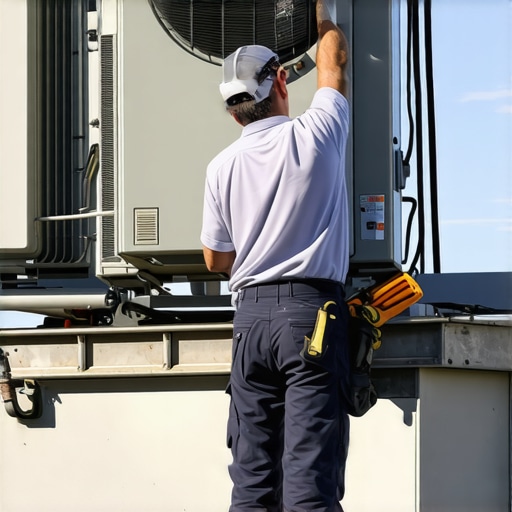
I followed a guy last month to a local strip mall where a ‘Comfort Advisor’—which is just corporate-speak for a salesman with a clipboard—had quoted the owner $185,000 to replace twelve 5-ton RTUs. He told her the units were ‘non-compliant’ and would be illegal to repair by January. It was a total fabrication. I climbed the ladder, pulled the panels, and found that half the units just needed a proper furnace ignition repair and a few thermocouple replacement jobs on the gas side. One unit was ‘dead’ because of a blown capacitor and a pitted contactor. Total repair bill? Less than $4,000 for the whole site. This is why you need a technician, not a salesman. You can find out more about these tactics in our guide on ac installation secrets that HVAC pros won’t tell you. Most of the time, the iron is still good; it’s the lack of maintenance that’s killing the efficiency.
“The most expensive equipment in the world cannot overcome a bad duct system, and no refrigerant change can fix a system that isn’t maintained to standard.” – Industry Axiom
The Physics of Low-GWP Retrofitting
When we talk about retrofitting for low-GWP (Global Warming Potential) compliance, we aren’t just swapping one ‘juice’ for another. It’s about thermodynamic efficiency. In a retail environment, we deal with high sensible heat loads—the lights, the computers, and the body heat of fifty customers. If your evaporator coil doesn’t drop significantly below the dew point, you aren’t removing latent heat (humidity). You end up with a store that’s 72 degrees but feels like a Louisiana swamp. This is where UV light installation for HVAC becomes critical during a retrofit. These lights keep the biofilm off the fins, ensuring that the heat exchange is as efficient as possible. If the coil is gunked up, the suction line won’t be ‘beer can cold,’ and your compressor will start screaming before the thermal overload kicks in.
[image_placeholder_1]
The A2L Transition: Flammability and Sensors
The new refrigerants required for 2025 compliance have different pressure-temperature relationships. Because R-454B is an A2L, we now have to install leak detection sensors inside the cabinet. If that sensor trips, it shuts down the contactor and starts the blower to dilute any potential gas buildup. This isn’t ‘magic’; it’s physics. For retail owners, this means your warranty service plans need to specifically cover these new safety components. If a sensor fails, your unit is a paperweight until a ‘Sparky’ or a qualified tech swaps it out. This is a massive shift from the old days of just ‘letting it leak’ and adding a few pounds of R-22. Those days are gone, and the fines from the EPA are enough to put a small business under.
The Mechanical Anatomy: More Than Just a Compressor
Retrofitting isn’t always about the refrigerant. Sometimes it’s about the bones of the system. I’ve seen wall furnace installation jobs in back-room retail offices that were death traps because of poor flue pipe installation. If the exhaust isn’t drafting, you’re looking at carbon monoxide poisoning, plain and simple. We also see a lot of neglected swamp cooler maintenance in drier retail climates where owners think they can just ignore the pads until they turn into a calcified block of salt. When a swamp cooler fails during a monsoon, the sensible heat rises so fast that the back-up DX system (the AC) redlines and blows a head gasket. This is why we push for efficient HVAC repairs—it’s a blueprint for surviving the summer without a total system meltdown. Check out the efficient hvac repairs guide for more on this.
“Safety standards for A2L refrigerants require mandatory leak detection systems when the charge exceeds specific thresholds based on the room volume.” – EPA Section 608 / ASHRAE 15
The Airflow Manifesto: Pookie and Static Pressure
I’ve said it for thirty years: Airflow is king. You can have a 25 SEER unit, but if your ‘Tin Knocker’ (duct installer) used cheap tape instead of ‘Pookie’ (mastic), you’re losing 20% of your capacity to the attic or the drop ceiling. High static pressure is the silent killer of variable speed motors. If the duct is too small, the motor works harder, gets hotter, and dies younger. This is especially true when adding bypass humidifier repair or new filtration systems. Every time you add an accessory, you add resistance. If you don’t calculate the Total External Static Pressure (TESP), you’re just guessing. Retail managers love the idea of voice control setup Alexa Google for their thermostats, but if the underlying ductwork is a mess, a ‘smart’ thermostat is just a fancy way to watch your money burn.
The 2025 Compliance Roadmap
So, how do you handle a retail fleet? First, stop listening to the guys who only want to sell you new boxes. Start with a thorough inspection of the gas lines—gas line installation for furnaces must be pressure tested and sized for the BTU load. Second, look at the ignition systems. A simple furnace ignition repair can extend the life of a rooftop unit by five years. Third, ensure your warranty service plans are updated for the A2L era. The technology is changing fast, and you don’t want to be left holding the bag when R-410A hits $150 a pound. For more advice on navigating these shifts, read up on heating service innovations for 2025. Proper maintenance is the only thing standing between you and a $200,000 capital expense you weren’t ready for.