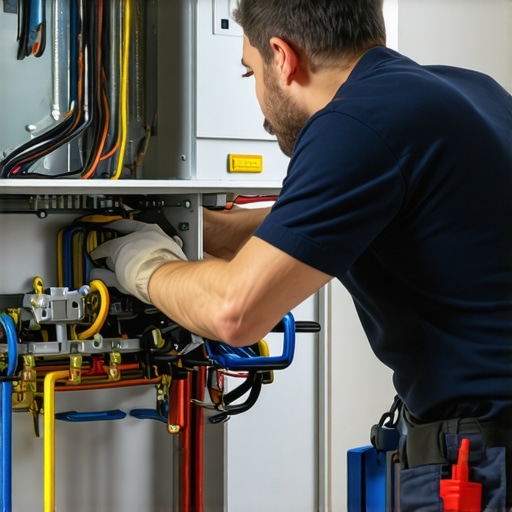
I remember the cold snap last winter when my furnace decided to go on strike in the middle of the night. That sinking feeling of waking up to a freezing home, wondering if the system could ever be trusted again. It’s a moment many homeowners face, and it’s enough to make anyone question whether their HVAC system is more trouble than it’s worth.
Why Restoring Trust in Your HVAC System Matters Now
HVAC systems are the backbone of home comfort, especially when the seasons change. A malfunction or breakdown not only disrupts your daily routine but also hits your wallet harder than expected. The truth is, many of us don’t realize how much we rely on our heating and cooling until it stops working at the worst possible time. That’s why rebuilding trust in your HVAC system isn’t just about fixing a broken part; it’s about ensuring peace of mind and reliable comfort year-round.
Is HVAC Repair Actually Worth the Hype
Early in my career, I made the mistake of dismissing minor issues with my system, thinking they were just temporary glitches. It wasn’t until I ignored a small leak that I faced a full-blown breakdown, costing me hundreds in repairs. From that point, I learned that proper maintenance and trusting the experts can save you from bigger headaches. If you’ve ever wondered whether investing in repairs or upgrades is worth it, know that quality service, like those offered by trusted professionals, can extend your system’s lifespan and restore your home’s comfort.
Want to avoid the pitfalls I encountered? Keep reading, because I’ll show you proven strategies to rebuild trust in your HVAC system, backed by industry insights and personal experience. Ready to take control of your home’s climate? Let’s dive into the essentials that will make your system reliable again.
Assess Your Current HVAC System Carefully
Start by inspecting your system for obvious issues. Listen for strange noises, check for uneven heating or cooling, and look for leaks or corrosion. When I faced a stubborn leak last winter, I initially dismissed it as minor, but it worsened over time. A quick visual inspection helped me identify a small crack in the furnace pipe that, if ignored, could have led to costly repairs. For detailed guidance, visiting this resource can help you understand what signs to look for.
Prioritize Professional Diagnostics and Repairs
Don’t attempt complex fixes yourself unless you have experience. Contact certified technicians through this contact page and schedule a thorough diagnostic. During my last repair, a professional used advanced tools to identify a failing blower motor that I would never have detected on my own. Professional repairs not only fix the immediate problem but also help prevent future breakdowns, reinforcing trust in your system’s reliability.
Implement Regular Maintenance Routines
Preventative maintenance is key. Change filters monthly, clean the vents, and schedule annual inspections. When I committed to regular filter changes, my system ran more efficiently, and breakdowns became rare. For tips on saving money while maintaining your system, check out this article. Consistent maintenance extends the lifespan of your HVAC, making it more trustworthy over time.
Upgrade Components When Necessary
If your system is outdated or inefficient, consider upgrading key parts or replacing the entire unit. I replaced an old furnace with a high-efficiency model, which immediately improved comfort and reduced energy bills. For expert advice on selecting the right upgrade, see this guide. Modern components are designed for durability and efficiency, boosting your confidence in the system’s performance.
Monitor Performance and Adjust as Needed
Keep an eye on your system’s performance after repairs or upgrades. Use smart thermostats or regular manual checks to ensure consistent operation. I installed a smart thermostat, which gave me real-time data and alerts about system performance, helping me catch minor issues early. This proactive approach is crucial for maintaining trust in your HVAC’s reliability.
Stay Informed with Industry Insights
Keep learning about your system and new maintenance techniques. Industry resources like this article can provide valuable strategies for extending your HVAC’s lifespan. Staying informed empowers you to make better decisions and ensures your system remains a dependable part of your home.
By taking these concrete steps—careful inspection, professional repair, regular maintenance, upgrades, performance monitoring, and ongoing education—you’ll rebuild trust in your HVAC system and enjoy consistent comfort for years to come.
Many homeowners operate under misconceptions about their HVAC systems, which can lead to costly mistakes and unnecessary repairs. Let’s dig deeper into some of the most persistent myths and reveal the hidden nuances that could save you time and money.
Why the Popular Belief That Bigger Is Always Better Is Wrong
A common misconception is that installing a larger HVAC unit will heat or cool your home faster and more efficiently. In reality, oversized systems tend to cycle on and off more frequently, causing wear and tear, increased energy use, and uneven temperature distribution. Proper sizing, based on a detailed load calculation, is crucial. Industry experts emphasize that an appropriately sized system ensures optimal comfort and longevity. For more insights on selecting the right system, see this guide.
The “Set It and Forget It” Fallacy Can Be Costly
Many believe that once their HVAC system is installed or repaired, no further attention is necessary. This myth can lead to neglecting regular maintenance, which is vital for system reliability. Regular filter changes, duct cleaning, and annual inspections prevent minor issues from escalating. Skipping these steps can cause systems to operate inefficiently or break down unexpectedly. According to HVAC industry standards, proactive maintenance significantly extends the life of your system and maintains trust in its performance. Check out preventative tips for more.
Advanced Question: How Do Hidden System Nuances Affect Long-Term Performance?
Beyond the basic maintenance and proper sizing, there are subtle nuances that impact HVAC system longevity and efficiency. For example, the quality of duct insulation, the placement of vents, and even the airflow dynamics within your home can play critical roles. These aspects are often overlooked but are essential for ensuring your system doesn’t just run, but runs optimally. Experts suggest that a detailed assessment of these factors can reveal hidden inefficiencies. For instance, poor duct sealing can cause significant energy loss, making your system work harder and wear out faster. To avoid falling into these traps, consider consulting professionals who evaluate these hidden elements, such as strategies for extending system life.
Have you ever fallen into this trap? Let me know in the comments, and remember that understanding these nuances can make all the difference in maintaining a trustworthy HVAC system that keeps your home comfortable for years to come.
How do I keep my HVAC system running smoothly over time
Maintaining a reliable HVAC system requires more than just occasional repairs. I personally rely on a combination of high-quality diagnostic tools and smart maintenance routines to ensure my system stays in top shape. One essential device I use is a digital manifold gauge set, which allows me to precisely measure refrigerant pressures during inspections. This tool helps detect issues early, preventing costly breakdowns and ensuring optimal performance. For routine filter changes, I prefer using MERV 13 filters, which strike a balance between efficiency and airflow, and I schedule these replacements every 30 to 60 days depending on usage. Regularly cleaning ducts and vents with a HEPA vacuum helps maintain good airflow and indoor air quality, reducing strain on your system. As technology advances, I see a growing trend towards smart thermostats integrated with remote diagnostics. These devices continuously monitor system performance, alerting me to potential problems before they escalate. Installing a smart thermostat like the Nest Learning Thermostat has transformed my approach to maintenance, providing real-time data and energy-saving insights. Looking ahead, I predict that AI-driven diagnostics and predictive maintenance will become standard, making HVAC system upkeep more proactive than ever. This means fewer surprises and more consistent comfort in our homes. To stay ahead, I recommend adopting these advanced tools and routines today. For example, try setting up a smart thermostat that can send diagnostic alerts directly to your phone. It’s a simple step that offers big benefits in maintaining your system’s health and efficiency. Remember, the key to long-term success is combining reliable equipment with proactive monitoring and regular upkeep. If you want expert assistance or more personalized advice, don’t hesitate to reach out to professionals. As the industry moves toward smarter, more connected systems, now is the perfect time to upgrade your maintenance strategy and keep your HVAC system working flawlessly for years to come.
The Hardest Lesson I Learned About HVAC Trust
One of my biggest realizations came from ignoring minor signs of trouble. That small leak I dismissed earlier turned into a costly repair, teaching me that proactive attention is crucial. Trusting expert diagnostics early can save you from similar pitfalls and keeps your system dependable.
Three Myths About HVAC Maintenance That Nearly Cost Me
I used to believe that once my HVAC was serviced, I could relax. Wrong. Regular checkups and filter changes are the backbone of system longevity. Skipping these steps led to unexpected breakdowns, but now I see maintenance as an ongoing partnership, not a one-time fix.
What I Wish I Knew About Hidden System Nuances
Minor details like duct insulation and vent placement might seem insignificant, but they dramatically impact efficiency and lifespan. A detailed assessment of these hidden factors helped me optimize performance and trust in my HVAC system.
My Essential Toolkit for HVAC Confidence
Using smart thermostats and diagnostic tools like digital manifold gauges revolutionized how I monitor my system. These tools provide real-time alerts, helping me catch issues early and extend my system’s life. I trust these devices because they empower me to be proactive, not reactive.
Your Turn to Take Control of HVAC Trust
Building confidence in your HVAC system isn’t just about repairs; it’s about understanding the little nuances that matter most. With the right knowledge and tools, you can enjoy consistent comfort and peace of mind. Ready to start? Reach out to trusted professionals and take the first step toward a more reliable home climate.
http://Michael%20Andrews
This post hits home for me because I’ve definitely faced those cold nights when the heater suddenly stops working. Trusting your HVAC system is so crucial, especially during the unpredictable seasons. I started scheduling annual professional inspections after a particularly costly repair last winter, and it made a huge difference in catching issues early. I found that investing in high-quality filters and keeping vents clean really helps me maintain efficiency and peace of mind. One thing I’ve learned is that even small leaks or strange noises shouldn’t be ignored; they often signal something bigger that needs attention. Have others found that smart thermostats or diagnostic tools help them stay ahead of potential problems? I’m curious whether automation can really make a noticeable difference in system longevity and reliability.”,
http://Laura%20Greene
Reading through this post really resonated with me because I experienced a similar scare last winter when my furnace suddenly failed during a cold snap. It’s amazing how much we take our HVAC system for granted until it lets us down at the worst moment. What struck me most was the emphasis on proactive maintenance and trusting professional diagnostics — I agree that a small leak or unusual noise should never be ignored, as they often are early warning signs of bigger problems. Since I started using a smart thermostat and scheduling regular checkups, I’ve noticed a marked improvement in system reliability, and I sleep easier knowing my home’s climate is under control. I’m curious though, for homeowners who’ve tried DIY repairs or basic troubleshooting, what’s been your experience? Have you found that investing in high-end diagnostic tools or smart systems significantly reduces downtime and repair costs? I’d love to hear more about how others are integrating technology and expert advice to keep their systems in top shape. It seems like a good balance of maintenance and modern monitoring really makes all the difference.
http://Jason%20Miller
This post really hits close to home since I experienced a similar situation last winter when our furnace unexpectedly failed during a cold spell. Trusting the HVAC system is crucial, especially when trying to keep things warm and cozy. I’ve learned that regular preventative maintenance, like scheduled inspections and filter changes, significantly reduces the chances of sudden breakdowns. Also, I’ve started using a smart thermostat that not only helps with energy savings but also provides real-time data on system performance, which has been a game-changer in catching minor issues early. Beyond that, I’ve heard that duct sealing and proper airflow management can further enhance system reliability and efficiency. Has anyone here experimented with duct sealing or other hidden improvements to boost long-term performance? I’m curious about how much these small tweaks can make a difference in overall home comfort and trust in the system. It’s clear that proactive care and understanding the nuances of our HVAC systems are key to avoiding those cold, stressful nights. Would love to hear others’ experiences or tips on maintaining trust in your HVAC—share your successes or lessons learned!
http://Emma%20Carter
Reading this post really made me reflect on the importance of regular HVAC maintenance. I experienced a similar issue last winter when my furnace suddenly stopped working during a cold snap, and it was a stressful situation. Since then, I’ve become more proactive by scheduling annual inspections and replacing filters more frequently. The use of smart thermostats has also been a game-changer for me, allowing remote monitoring and early detection of potential problems. I wonder, how many homeowners find that adding duct sealing or insulation makes a noticeable difference in system reliability and energy efficiency? In my case, improving airflow and sealing leaks has significantly enhanced my system’s performance. I’d love to hear what upgrades or maintenance routines others have found most effective in rebuilding trust with their HVAC systems. It seems like staying informed and proactive can truly reduce unexpected breakdowns and boost confidence in your home’s comfort. What are some practical tips you’ve used to catch small issues before they turn into costly repairs? Looking forward to hearing everyone’s experiences!
http://Daniela%20Rose
This post really hits home for me because I’ve also experienced those freezing nights when the heater suddenly goes out without warning. Trusting your HVAC system is so important, especially during unpredictable weather. I’ve found that scheduling regular professional maintenance has made a huge difference in preventing unexpected breakdowns. What’s been your experience with smart thermostats? I recently installed one, and it’s incredible how much real-time data and alerts can alert you to potential issues before things get worse. Do you think automation and diagnostic tools can truly extend the lifespan of our HVAC systems? I believe so, especially when combined with routine inspections. It’s fascinating how small tweaks like duct sealing and filter improvements can drastically improve reliability and efficiency. I’d love to hear from others about their proactive strategies—what routines or tech upgrades have worked best for you in rebuilding trust with your system? The more we learn from each other, the better we can keep our homes warm and comfortable year-round.