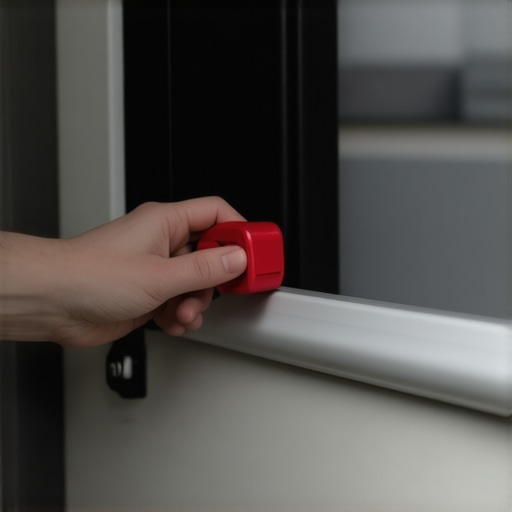
The Ultimate Guide to Manual Garage Door Operation for Bay Area Garage Doors
Imagine this: It’s a Tuesday morning in the East Bay. You’re already ten minutes late for a high-stakes meeting in downtown San Francisco, and as you hit the wall button to exit your garage, nothing happens. You try the remote. Silence. Then you notice the microwave clock is dark – another regional power outage. Whether it’s a result of seasonal winter storms rolling off the Pacific or a PG&E Public Safety Power Shutoff (PSPS) designed to mitigate wildfire risks, being trapped behind bay area garage doors is a frustration many local homeowners know all too well.
When the grid goes down, your heavy garage door – the largest moving object in your home – suddenly becomes a massive wall of steel or wood. Many people panic, fearing they are stuck until the utility trucks finish their repairs. However, with the right knowledge, you can safely navigate this situation. I’m Gary Staats of Action Garage Door, and I’ve spent decades helping homeowners across the region manage their door systems. In this guide, I will walk you through the professional protocols for manual garage door operation, ensuring you can get your car out without compromising your safety or damaging your equipment.
Why Automatic Openers Fail During Outages
Modern convenience relies entirely on a steady stream of 120V electricity. Most residential systems in the Bay Area utilize brands like LiftMaster, Chamberlain, or Genie. These units are marvels of engineering, but at their core, they are motorized winches. When the power cuts out, the circuit board inside the motor housing loses its ability to process signals from your remote or wall station, and the motor itself cannot turn the drive mechanism.
You might wonder, “Doesn’t my door have a battery backup?” Since the passage of California Senate Bill 969 in 2019, all new garage door openers installed in the state are required to have a battery backup system. However, many homes still feature older models installed before this mandate. Furthermore, even if you have a backup system, these batteries have a limited lifespan – usually three to five years. If the battery hasn’t been tested recently, it may fail to provide the necessary amperage to lift the door when you need it most. This is often when homeowners realize they need professional garage door opener repair to swap out dead cells or upgrade to a more reliable unit.
If your motor is humming but the door isn’t moving, or if there is total silence, you are likely facing an electrical disconnect. In these moments, knowing how to fix garage door opener issues starts with understanding the manual override. But before you reach for that red cord, there is one rule that could save your life.
THE CRITICAL SAFETY WARNING: The “Door Down” Rule
If there is one thing I emphasize to every client, it is this: Only pull the emergency release cord when the garage door is in the fully closed position. This is the most vital safety protocol in the industry. The emergency release cord (the red rope hanging from the opener track) disconnects the door from the motor’s carriage. Under normal circumstances, this allows the door to slide freely along the tracks.
However, if your door is currently in the open or partially open position, pulling that cord can be catastrophic. Garage doors are balanced by high-tension springs. If one of those springs has failed, the only thing holding the door up is the motor’s gear system. When you pull the release cord on an open door with a broken spring, the door will come crashing down with thousands of pounds of force. This can result in severe injury, death, or the total destruction of anything (or anyone) in the door’s path.
Before you attempt a manual release, inspect your springs located above the door. If you see a visible gap in the coils, do not touch the release cord. To understand the physics behind this danger, read our detailed breakdown on why your garage door spring snapped and the safest way to get your car out. If the door is stuck open, your best course of action is to wait for professional assistance rather than risking a “guillotine” effect.
Step-by-Step: Releasing the Door Manually
Once you have confirmed that the door is fully closed and the springs appear intact, you can proceed with the manual release. This process is designed to be simple, but it requires a specific technique to ensure the carriage doesn’t jam.
Step 1: Locate the Red Emergency Release Cord
Every residential opener has a red cord hanging from the trolley. The trolley is the piece that moves along the rail to pull or push the door. This cord is usually bright red to make it easy to find in a dark garage. If the power is out, you may need a flashlight to locate it safely.
Step 2: Pull the Cord Down and Back
To disengage the locking mechanism, you must pull the cord straight down and then slightly toward the motor (away from the garage door). You should hear a distinct “click” or see a lever on the trolley flip down. This action locks the spring-loaded pole in the “open” position, preventing it from re-engaging with the carriage as you move the door. This is a key step in performing an emergency garage door repair bypass.
Step 3: Lifting the Door
Now that the door is disconnected from the opener, it is time to lift it manually. Never use the release cord to pull the door up; it isn’t designed to handle that weight. Instead, grip the handles located at the bottom of the door or the bottom rail itself. Lift straight up, using your legs and not your back. A well-balanced door should feel relatively light – almost as if it’s floating – because the springs are doing the heavy lifting. If you find yourself struggling to fix garage door movement, or if the door feels like it weighs 300 pounds, stop immediately.
Pro-Tip from Gary: “If the door resists your initial lift or feels incredibly heavy, do not force it. A garage door that won’t move manually even after the release is pulled usually indicates a mechanical failure that goes beyond a simple power outage.”
Troubleshooting: What if the Door Won’t Budge?
Sometimes, the power outage is just the beginning of your problems. If you’ve pulled the release cord and the door still won’t move, you are likely dealing with a hardware failure. In the Bay Area’s humid coastal climate, hardware can degrade faster than many homeowners realize.
One common culprit is a snapped or frayed cable. The cables work in tandem with the springs to lift the door. If a cable has come off the drum or has snapped entirely, the door will become wedged in the tracks. Attempting to force a jammed door can bend the tracks or cause the door to fall out of the opening entirely. You can learn more about this specific hazard in our guide on the dangerous reason your garage door cable keeps fraying and how to fix it. In such cases, you will likely need garage door cable repair or a full garage door cable replacement.
Another issue is the springs themselves. If you have a broken spring, the door is essentially dead weight. Most residential doors weigh between 150 and 400 pounds. Without the assistance of a torsion or extension spring, lifting that weight manually is nearly impossible for the average person and highly dangerous. If you see a break in your spring, you need garage door spring replacement before the door can be operated safely. Attempting to fix garage door spring issues yourself is never recommended due to the extreme tension involved.
If your home is getting cold because the door is stuck open during a storm, don’t forget to check our tips on how to handle a freezing house in a storm while you wait for a technician to arrive.
How to Re-engage the Opener Once Power Returns
When the lights finally flicker back on and the “beep” of your microwave signals that the Bay Area grid is stable, you’ll want to return to automatic operation. Re-engaging the door is just as important as releasing it.
First, make sure the door is in the fully closed position. Pull the emergency release cord toward the door (away from the motor). This resets the spring-loaded lever on the trolley so it is ready to catch the carriage. You can then do one of two things: manually slide the door up until you hear a loud “click,” or simply press your garage door remote button. The motor will move the carriage along the rail until it meets the trolley and automatically snaps back into place.
After re-engaging, I always recommend running one full cycle (open and close) to ensure everything is aligned. Listen for any grinding or straining sounds. If the motor sounds like it is struggling, the door might have become unbalanced during its manual operation, and it may be time for a professional garage door repair bay area specialist to perform a tune-up.
Commercial vs. Residential Considerations
While this guide focuses on residential homes, many Bay Area business owners face similar challenges. Commercial garage door repair often involves much larger, heavier doors that do not use a simple red pull cord. Instead, many commercial jackshaft openers utilize a chain hoist mechanism. To operate these manually, you typically have to pull a floor-level disconnect and then use a hand chain to “manually” drive the door up. Because of the scale of these doors, manual operation should only be performed by trained staff to avoid workplace injuries.
The Importance of Regular Maintenance
The best way to handle a power outage is to ensure your door is in peak condition before the lights go out. Regular garage door repair and maintenance can identify fraying cables, weakening springs, and aging batteries before they become emergency situations. A well-maintained door is easy to lift manually, whereas a neglected one becomes a liability the moment the motor stops helping.
In the Bay Area, we deal with unique environmental factors – salt air near the coast can corrode metal parts, while the hills of San Francisco can cause foundation shifts that knock tracks out of alignment. Keeping your system lubricated and balanced is the best insurance against being trapped in your garage.
Conclusion & Call to Action
Operating your garage door manually during a power outage doesn’t have to be a stressful experience if you follow the “Door Down” rule and understand the mechanics of your system. Always prioritize safety: check your springs, ensure the door is closed before releasing, and never force a door that feels too heavy.
If you find that your door is stuck, your springs are broken, or you need an urgent garage door repair to get your vehicle out, don’t risk your safety. At Action Garage Door, we specialize in garage door repair bay area homeowners can trust. Whether you need a fix garage door opener service or a complete overhaul of your hardware, we are here to help. Contact Us today to schedule a professional inspection or emergency service.