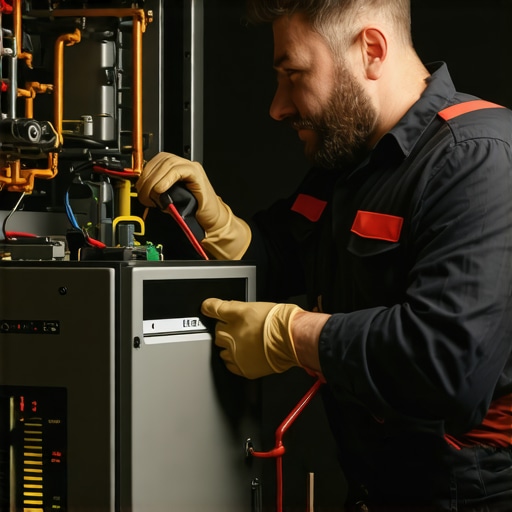
I remember the coldest night last winter when I woke up to a freezing house. My furnace had decided to give up just when I needed it most. I was frustrated, scrambling to find a solution, and it hit me—trusting the right professionals isn’t just about fixing a broken heater. It’s about ensuring that you won’t be left out in the cold again. That experience taught me a valuable lesson: proper furnace repair and heating service can make all the difference between comfort and chaos.
Why Reliable Heating Service Matters More Than Ever
In today’s unpredictable weather, having confidence in your heating system is essential. A well-maintained furnace keeps your home cozy during winter and saves you from costly emergency repairs. But how do you know when to call in the pros? And more importantly, how can you be sure they’re trustworthy? This is a question I’ve wrestled with myself, especially after a costly mistake early on—trying to fix things myself without proper knowledge, which only made the problem worse. That’s why I now prioritize hiring experts who understand the nuances of heating systems.
According to industry experts, a significant percentage of emergency furnace repairs could have been prevented with regular maintenance and early intervention. This is supported by data showing that proactive service can extend the lifespan of your system and improve efficiency, saving you money in the long run. Want to avoid the pitfalls I faced? Keep reading, and I’ll share some proven tips to help you trust the experts and ensure lasting warmth in your home.
Have You Faced the Frustration of a Broken Furnace?
If you’re like me, you’ve probably experienced that sinking feeling when your heating suddenly stops working. It’s not just uncomfortable; it’s stressful. But the good news is, many issues can be avoided with the right approach. Making assumptions about repairs can lead to more harm than good. Instead, learning how to identify urgent issues and choosing the right professionals ensures your home stays warm and safe.
For a deeper understanding of common pitfalls and how to avoid them, check out furnace repair myths. Remember, trusting the right experts and avoiding common mistakes can save you a lot of trouble and money—something I wish I had known earlier!
Start with a Clear Inspection
My first step was to identify the problem accurately. I turned off the power to my furnace and examined the system visually, looking for obvious issues like loose wires, dirt buildup, or leaks. Using a flashlight and a mirror, I checked accessible parts and noted any irregularities. This approach is like giving your system a quick health check, which can often reveal the root cause of the trouble. If you notice anything unusual, it’s time to consult a professional for a thorough diagnosis. Remember, attempting to fix complex problems without proper knowledge can make things worse. For detailed guidance, visit how to identify when furnace repair is urgent.
Learn to Recognize Urgent Issues
One cold night, I noticed my furnace was making strange noises and not heating properly. Instead of ignoring these signs, I used a trusted guide on urgent repairs to determine if immediate action was needed. Major warning signs include strange smells, persistent noises, or system failure. If you encounter these, don’t delay calling a professional. Think of it like a warning light on your dashboard—ignoring it can lead to a breakdown. Professionals have the tools and expertise to handle these issues safely and efficiently.
Vet Your Heating Experts Carefully
When I finally decided to hire help, I didn’t just pick the first name I found. I checked reviews, asked for references, and verified licenses. My goal was to find someone trustworthy, much like choosing a doctor. I also asked about their experience with my specific furnace model. Trustworthy HVAC repair isn’t just about fixing the issue; it’s about building confidence that the job is done right the first time. For tips on selecting a reliable professional, see how to choose the right HVAC services.
Demand Transparent Communication
Good communication was a game-changer. My technician explained the problem clearly, outlined the repair process, and provided a written estimate. This transparency helped me feel confident in their work. I learned that trustworthy professionals don’t just fix the system—they educate you about maintenance and future care. Don’t settle for vague explanations or hidden fees. A reputable HVAC company will always keep you informed, much like a trusted friend guiding you through a tough situation. For more on effective communication, check trustworthy repair communication tips.
Insist on Proper Maintenance and Follow-Ups
After the repair, I scheduled regular maintenance to prevent future breakdowns. Just like taking your car for oil changes, a furnace needs routine checkups. I learned that proactive service extends the lifespan of your system, improves efficiency, and keeps your home warm. When hiring professionals, ask about maintenance plans and follow-up services. This ongoing relationship ensures your system remains reliable year-round. For expert advice on maintenance, visit preventative HVAC tips.
In the world of home heating, many homeowners operate under misconceptions that can lead to costly mistakes. Let’s dig deeper into some of the most persistent myths about furnace repairs and why trusting your instincts might not always be the best approach. Knowing these nuances can help you avoid pitfalls and ensure your system stays efficient and reliable.
Why Most People Overlook the Nuances of Professional Repairs
Many believe that any technician can fix a furnace, but the reality is far more complex. A common myth is that all HVAC technicians are equally skilled, which isn’t true. Some technicians may lack specialized training for certain models or issues, leading to subpar repairs or even damage. It’s crucial to vet your repair professional thoroughly—checking reviews, licenses, and experience with your specific system. This attention to detail ensures the repair is both effective and long-lasting.
Are DIY Repairs Ever Worth the Risk
Everyone says that DIY fixes save money, but in many cases, this can be a trap. Attempting to repair complex components without proper training can cause more harm than good. For example, misdiagnosing an issue or improperly installing parts can lead to safety hazards or further damage, ultimately costing more to fix. Regular maintenance and repairs should be left to professionals who have access to the right tools and expertise. To avoid making costly mistakes, consider consulting a trusted expert instead of tackling repairs yourself. For more guidance, see furnace repair myths.
What You Might Be Missing About Maintenance
A common misconception is that repairs are only necessary when something breaks. In reality, regular maintenance is the secret to avoiding unexpected failures and extending the lifespan of your furnace. Skipping scheduled inspections means small issues can escalate into major problems—like a minor leak turning into a full-blown system failure. Many homeowners overlook the importance of proactive service, which can save money and prevent discomfort during the coldest months.
Why the Cheapest Quote Might Be the Most Expensive
Another trap is choosing a repair service based solely on price. While affordability matters, the lowest quote often indicates a lack of experience or poor-quality parts. This can lead to repeated repairs, increased energy bills, or even dangerous situations. Trustworthy professionals provide transparent estimates and clear explanations—if a quote seems too good to be true, it probably is. Always prioritize quality and reputation over cost to ensure your furnace is fixed right the first time. For expert insight, visit how to choose the right HVAC services.
Have you ever fallen into this trap? Let me know in the comments. Understanding these advanced nuances can save you from costly mistakes and keep your home cozy all winter long.
How do I keep my furnace running smoothly over time?
Maintaining a reliable heating system requires the right tools and a proactive approach. Over the years, I’ve learned that investing in quality equipment and adopting precise methods can significantly extend your furnace’s lifespan and efficiency. For example, a digital multimeter is indispensable for diagnosing electrical issues. I personally use a Fluke 117 multimeter because of its accuracy and durability, enabling me to troubleshoot circuits, check voltage, and ensure safety before performing any repairs. Proper cleaning tools, like a soft brush and compressed air, help me remove dust and debris from vents and burners, which is crucial for optimal operation.
When it comes to software, I recommend using HVAC maintenance apps that track service schedules, alert you to upcoming inspections, and store repair histories. Personally, I rely on the HVAC Check app because it streamlines maintenance planning and helps me stay organized, reducing the risk of overlooked issues. These tools empower homeowners and technicians alike to keep systems in top condition, preventing costly breakdowns and inefficiencies.
How to ensure your tools stay effective over the long run
Regular calibration of diagnostic tools is vital—an uncalibrated multimeter can give false readings, leading to improper repairs. I keep my devices calibrated annually, following manufacturer instructions. Additionally, maintaining a clean workspace and storing tools properly prevents damage and corrosion, ensuring they remain reliable over time. For software, updating apps and firmware keeps functionalities current and security intact. Looking ahead, I believe smart diagnostics will become more integrated into routine maintenance, with IoT-enabled sensors providing real-time data on furnace health, making proactive repairs even more accessible.
To maximize your maintenance efforts, I encourage you to try the advanced tip of using a thermal camera during inspections. It helps identify cold spots or heat leaks that are invisible to the naked eye, pinpointing issues like insulation gaps or failing components before they cause system failure. Incorporating such technology into your routine can save you money and enhance system longevity. For more expert insights, visit top strategies for extending system life. Start today by evaluating your current tools and scheduling regular calibration—your furnace will thank you for it.
The Hardest Lesson I Learned About Furnace Trust
One of the most eye-opening lessons I encountered was realizing that not all HVAC professionals have the same level of expertise. I once hired someone based solely on a low quote, only to face repeated issues later. It taught me that thorough vetting—checking reviews, licenses, and experience—is essential. Trusting the right experts can save you from ongoing frustrations and expenses.
Why I Switched to a Personal Toolbox for Furnace Care
Initially, I believed DIY repairs could save money. But after a few costly missteps, I understood that investing in the right tools and professional help is more cost-effective in the long run. My essential toolkit now includes a quality multimeter, cleaning brushes, and a reliable HVAC maintenance app, which help me stay ahead of potential problems and keep my system running smoothly.
What No One Tells You About Preventative Maintenance
Regular checkups are my secret weapon against unexpected breakdowns. Skipping scheduled service means risking minor issues turning into major failures when you need your furnace the most. Scheduling routine maintenance with trusted professionals ensures efficiency and peace of mind, especially during cold months.
My Journey from Frustration to Confidence in Furnace Care
Trusting the right professionals and maintaining a proactive approach transformed my experience. Now, I can enjoy a warm home without the stress of unexpected failures. If you’re aiming for lasting comfort and reliability, start with a clear inspection, recognize urgent issues early, and choose your repair experts wisely. Remember, the effort you put into understanding and maintaining your system today pays off in warmth and savings tomorrow.