The Anatomy of an Electrical Cardiac Arrest
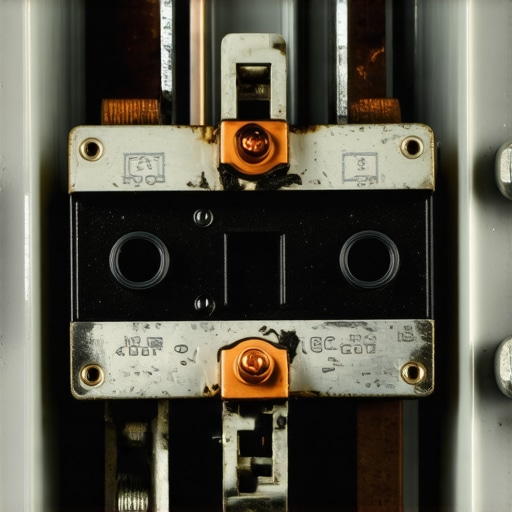
Listen close, because your furnace is trying to tell you something, and it isn’t a bedtime story. I spent three decades in the trenches, crawling through crawlspaces that would make a rat claustrophobic, and if there is one thing I’ve learned, it’s that electrical components don’t just ‘die’—they commit suicide over a long, agonizing period. My old mentor, a grizzly veteran who smelled like tobacco and PVC glue, used to scream at me, ‘You can’t move heat if the juice can’t jump the gap!’ He was talking about the contactor. This little block of plastic and copper is the gatekeeper of your heating system. It’s a heavy-duty relay that uses a low-voltage signal from your thermostat to slam shut a high-voltage bridge, sending power to your inducer motor, your igniter, and the rest of the sequence. In the freezing winters of the North, where we deal with high-efficiency furnace installation and constant commercial furnace repair, the contactor is the most overworked grunt in the box. When it starts to fail, it doesn’t just stop; it chatters, it arcs, and it creates heat that can melt the very wires feeding it. If you ignore the signs, you aren’t just looking at a cold house; you’re looking at a fried control board or a 24/7 heating emergency response call that will cost you ten times what a simple contactor swap would have.
“The most expensive equipment in the world cannot overcome a bad duct system or a failing electrical interface that starves the motors of required amperage.” – Industry Axiom
The Death Rattle: Chattering and the Hum of Doom
The first sign of a contactor on its deathbed is the ‘chatter.’ Imagine a machine gun made of plastic clicking at sixty cycles per second. That is the sound of the solenoid coil inside the contactor losing its magnetic grip. When the 24V signal from your thermostat hits that coil, it creates a magnetic field that pulls the contacts down. If that coil is pitted or the voltage is weak—perhaps due to a failing transformer or a furnace ignition repair issue—the contacts bounce. Every time they bounce, a tiny blue arc of electricity jumps the gap. That arc is hotter than the surface of the sun for a split second. It pits the silver coating on the points, creating carbon buildup (what we call ‘soot’ or ‘burnt juice’). Eventually, the resistance gets so high that the points weld themselves shut or refuse to make a connection at all. This is why AI-driven HVAC optimization is becoming so popular; it can actually sense the micro-fluctuations in amperage that precede a mechanical failure. But for most of us with standard rigs, you have to use your ears. If your furnace sounds like a nest of angry hornets when it tries to start, your contactor is screaming for mercy.
Thermodynamic Zooming: Why the Gap Matters
Let’s talk physics. In a cold climate like Chicago or the Northeast, your furnace isn’t just a heater; it’s a life-support system. When we perform manual J calculations, we are measuring the exact heat loss of your structure to ensure the unit is sized perfectly. But size doesn’t matter if the electrical path is restricted. A failing contactor creates ‘voltage drop.’ If you have 120V coming in but only 105V getting to your inducer motor because the contactor points are charred, that motor is going to run hot. Heat is the killer of all things mechanical. The motor windings will eventually bake, the insulation will crack, and then you’re looking at an industrial heater services level bill for a simple residential fix. This is especially critical in hospital HVAC zoning, where a single failed contactor can throw off the pressure differentials required for sterile environments. You see, the contactor isn’t just an ‘on/off’ switch; it’s the point of highest resistance in your electrical circuit. If those points aren’t ‘beer can cold’ (okay, maybe not literally, but certainly not glowing red), you’re losing efficiency and risking a fire.
“All electrical connections shall be tight and free of oxidation to prevent thermal runaway in high-amperage heating circuits.” – NFPA 70 / NEC Standard
The Smell of Ozone and the ‘Sparky’s’ Nightmare
You know that smell? That ozone, metallic, slightly acidic scent that hangs in the air after a lightning storm? If you smell that near your furnace, your contactor is arcing. I’ve followed ‘Sales Techs’ who smelled that and immediately quoted a sweet old lady $15,000 for a new system, claiming the ‘flux capacitor’ was shot. Don’t fall for it. You might just need a $30 part and a technician who actually knows how to use a multi-meter. However, if the arcing has gone on too long, it can lead to ‘flame rollout’ or other dangerous conditions that require how to identify when furnace repair is urgent and why. We see this often in infared heater installation as well; the electrical load is so high that any weakness in the contact points leads to immediate failure. When I’m out on a commercial furnace repair, the first thing I do is pull the disconnect and look at the contactor. If I see ‘pitting’—little craters in the metal pads—I don’t care if it’s still working today; it’s going in the trash. It’s like driving on a tire with the wires showing. You might make it to the grocery store, but you aren’t making it through the blizzard.
Zoning, Logic, and the Modern Furnace
Modern systems are more complex. With fireplace insert services and multi-stage heating, the contactor often works in tandem with a control board that monitors ‘proof of flame’ and ‘limit switches.’ If the contactor is failing intermittently, it can throw ‘ghost codes’ on your diagnostic LED. You’ll see a code for a ‘limit switch open’ or ‘pressure switch failure,’ but the actual culprit is the contactor failing to provide enough juice to the inducer to close that pressure switch. This is where the amateurs start ‘parts cannoning’—throwing sensors at the problem until they accidentally fix it. A pro knows to check the ‘drop’ across the contacts. If you’re losing more than half a volt across those points, it’s trash. For those looking for furnace repair myths debunked, the biggest myth is that you can just ‘sand down’ the points. No. You sand off the silver coating, and it will weld shut within a week, potentially keeping your burners on until the high-limit finally trips—if you’re lucky. If you’re not, well, that’s why we have 24/7 heating emergency response teams. Keep your system maintained, use the right ‘Pookie’ to seal your ducts, and don’t let a ‘tin knocker’ tell you that electrical doesn’t matter. It’s the nervous system of your home’s comfort. For more on keeping your rig running, check out top hvac repair strategies to extend your systems life.