My old mentor used to scream, ‘You can’t cool what you can’t touch!’ And in the dead of winter up North, he’d yell the exact same thing about heating: ‘You can’t extract heat from the air if your coil is choked by frost!’ That lesson was pounded into my head during a brutal blizzard in upstate New York while I was troubleshooting a failing system. The homeowner was burning through thousands of dollars in liquid propane, watching their fuel tank gauge drop faster than a stone. They believed the old myth that heat pumps are only for moderate climates. The truth is, modern cold climate heat pumps are thermodynamic marvels, but only if you design the entire system around the physical realities of air distribution and thermal transfer.
The Cold Climate Reality: Physics over Propane
When you burn propane, you are relying on chemical combustion. A gas valve opens, a burner ignites—perhaps needing a quick pilot light relighting or a fresh thermocouple replacement—and the heat exchanger gets red hot. But propane is an expensive, volatile fuel. Switching to a cold climate heat pump changes the game from creating heat to moving heat. Even at -15°F, there is still thermal energy in the outdoor air. Cold climate heat pumps use variable-speed inverter compressors and advanced vapor-injection technology to squeeze that ambient heat out of the freezing atmosphere and compress it into usable warmth for your home.
“Standard heat pumps lose capacity and efficiency as outdoor temperatures drop, but cold-climate systems are engineered to maintain high heating capacity even when the mercury falls below zero.” – AHRI Technical Guidelines
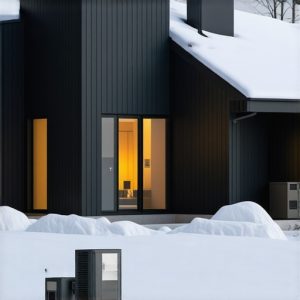
In cold regions like Chicago or the Northeast, the absolute enemy is ice. When a heat pump runs in heating mode, the outdoor coil becomes the evaporator, dropping below freezing to extract heat. Moisture in the air freezes on those aluminum fins. The system must regularly cycle into defrost mode, temporarily reversing the flow of the gas to warm the outdoor coil. If your ductwork is leaky or your system was installed by a lazy tin knocker who didn’t run proper calculations, that defrost cycle will feel like a blast of arctic wind. Utilizing expert HVAC load calculation services ensures the equipment is sized precisely to prevent short-cycling and excessive defrost intervals.
The Upfront Cost Breakdown: Equipment, Ductwork, and Retrofits
Let’s talk cold, hard cash. Replacing an old propane furnace with a cold climate heat pump isn’t just about swapping boxes. If you have an older home, you might need a service panel upgrade from your local sparky to handle the 240V lines. A standard cold climate heat pump installation ranges from $9,000 to $18,000 depending on the size of your home and whether you require duct modifications. Propane furnaces often use smaller, high-velocity duct systems, whereas heat pumps require larger duct cross-sections to move a higher volume of moderately warm air without creating whistling noises or high static pressure.
You must also factor in the latest industry regulations. With the transition away from R-410A, low-GWP refrigerant retrofits are reshaping the market. New systems utilizing R-454B or R-32 require specialized leak sensors and updated safety controls. If your installer doesn’t mention these regulatory changes, they are selling you yesterday’s obsolete technology. Furthermore, if you have difficult-to-heat zones, you might need target strategies like crawl space heating solutions or a localized infrared heater installation to supplement the heat pump in uninsulated areas of the home.
The Operating Cost Equation: Propane vs. Heat Pump Efficiency
To understand the savings, we must compare the Coefficient of Performance (COP). A high-efficiency propane furnace has an AFUE of 95%, meaning 95% of the fuel’s energy is converted to heat. A cold climate heat pump, however, can operate at a COP of 2.0 to 3.0 even at 5°F. That means for every unit of electricity you feed the compressor, you get two to three units of heat out. This massive efficiency advantage can slash your winter energy bills by 30% to 50% compared to volatile propane prices.
“To achieve optimum seasonal efficiency, the thermal boundary of the building must be sealed, and mechanical ventilation must be dynamic.” – ASHRAE Standard 62.2
To maximize these savings, smart homeowners integrate demand-controlled ventilation to ensure they aren’t heating excess outdoor air, and clean up air leaks using real mastic—what we techs call “Pookie”—rather than flimsy duct tape. If you want to push efficiency even further, solar thermal heating integration can preheat return air, reducing the workload on your compressor during peak winter hours.
Long-Term Maintenance: Keeping the System Alive
A heat pump works hard all year round—cooling in the summer, heating in the winter. This dual duty means parts wear out faster if you skip maintenance. A bad outdoor fan motor relay, a failed capacitor, or a worn-out contactor can shut down your heat entirely during a polar vortex. Relying on professional capacitor replacement services and regular relay services before the freezing weather hits is the difference between a cozy living room and frozen water pipes. Don’t fall for the cheap sales tech tune-up scams; invest in real preventative diagnostics to keep your refrigeration lines clean, your coils washed, and your airflow unrestricted.