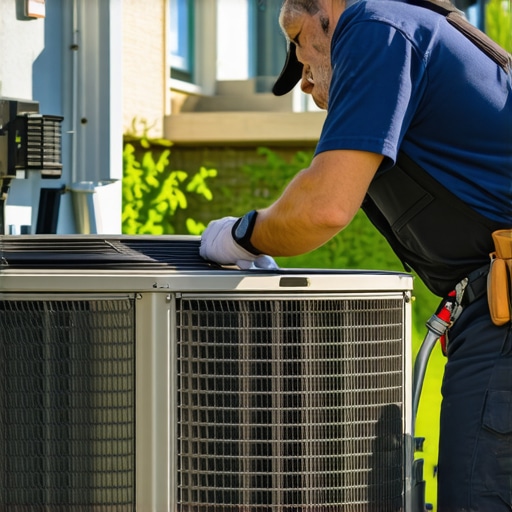
It was a sweltering summer afternoon when my old AC finally gave out, and I realized just how much I took reliable cooling for granted. The sweat was pouring down my back, and I felt that familiar panic creeping in—what now? That moment of frustration turned into a lightbulb realization: trusting the right HVAC professionals makes all the difference. Since then, I’ve learned that a solid, trustworthy HVAC system isn’t just about comfort—it’s about peace of mind, especially when things go wrong.
Why Finding a Trustworthy HVAC Partner is a Game Changer
Most homeowners face the same dilemma at some point: how do you ensure your HVAC system is reliable, efficient, and properly installed or repaired? The truth is, making the right choice can seem overwhelming. A poorly installed or serviced system can lead to costly repairs, energy waste, and uncomfortable living conditions. That’s why I’m here to share what I’ve learned from personal experience and industry insights, so you can avoid the pitfalls I stumbled into.
One thing I wish I had known earlier is that not all HVAC companies are created equal. I made the mistake of trusting a cheaper, less experienced contractor early on, which resulted in inefficient repairs and more expenses down the line. That’s why I now emphasize the importance of working with experts who prioritize quality, transparency, and customer satisfaction. If you’re wondering whether your current HVAC setup is up to par or if it’s time for an upgrade, I highly recommend checking out how to identify urgent furnace repair needs to get started.
Is HVAC Repair and Installation Actually Worth the Hype?
I used to be skeptical about the fuss surrounding professional HVAC services. Wouldn’t a DIY fix suffice? That’s a common misconception. The truth is, attempting to handle complex HVAC issues without proper training often leads to more problems. Early in my journey, I neglected to hire licensed professionals for a major AC replacement, and I paid the price in poor system performance and higher energy bills. Trusting seasoned experts ensures that your system is installed or repaired correctly, lasting longer and saving you money in the long run. For more insights, I suggest reading this guide on reliable HVAC repair and installation.
So, if you’ve faced the dilemma of a malfunctioning AC or an outdated heating system, you’re not alone. The next step is understanding what to look for in a trustworthy service provider and how to ensure your system is ready to face any season. Keep reading, because I’ll walk you through proven strategies to restore confidence in your HVAC system and keep your home comfortable all year long.
Choose Your Repair or Installation Team Wisely
My first step was to research local HVAC professionals thoroughly. I looked beyond prices and checked reviews on trusted sites—this is like reading customer feedback before buying a car. When I found a company with positive feedback and licensed technicians, I scheduled a consultation. Trusting experienced pros is crucial, especially when the stakes are comfort and safety. For detailed tips, visit this guide on choosing the right HVAC fixes.
Assess Your System’s Urgency
Next, I evaluated whether my system issues were urgent. I used a simple test: if your furnace or AC is making strange noises, failing to turn on, or producing uneven temperatures, it’s time to act fast. A quick check can save money and prevent further damage. For specifics, see how to identify urgent furnace repair needs. Remember, ignoring signs can turn a minor hiccup into a costly disaster.
Get Accurate Diagnoses and Clear Estimates
When I called in a technician, I made sure to ask for a detailed diagnosis and an upfront quote. Think of this like getting a second opinion before surgery. A reputable HVAC company will explain the problem, possible solutions, and costs transparently. I learned that vague estimates often hide hidden charges. For expert advice, check this article on reliable HVAC repair.
Follow Proven Repair and Installation Steps
Once I hired professionals, I observed their process. They started with a thorough inspection, then replaced or repaired components with precision. I learned to ask questions like, “Will this fix last long?” and “Are there energy-efficient options?” Think of HVAC systems like a car engine—regular maintenance and quality repairs keep it running smoothly. For tips on effective repair, visit this blueprint for efficient HVAC repairs.
Test and Validate the Work Done
After the repair, I tested the system myself—checking airflow, temperature consistency, and listening for odd noises. If something seemed off, I contacted the technician for adjustments. It’s like test-driving a new car—make sure everything functions perfectly before signing off. Proper testing ensures your system is reliable and efficient. For further validation techniques, see top strategies to extend your HVAC system’s life.
Plan for Maintenance and Future Repairs
Finally, I scheduled regular check-ups and maintenance. Preventative care is like a health check-up; it catches issues early. I also asked about warranties and service guarantees. This way, I built a long-term relationship with my HVAC provider, ensuring ongoing confidence in my home’s climate control. For maintenance hacks, visit preventative HVAC repair tips.
Many homeowners operate under misconceptions about HVAC systems that can lead to costly mistakes. While it’s common to believe that DIY repairs are enough or that all technicians provide equal service, the reality is more nuanced. In this article, I’ll share insights that challenge popular myths and highlight subtle pitfalls that even experienced homeowners overlook.
Why the Most Common HVAC Myths Can Cost You More
One widespread myth is that all HVAC technicians are equally qualified. This couldn’t be further from the truth. A study by industry experts indicates that improperly trained or uncertified technicians can cause more harm than good, leading to inefficiencies and future breakdowns. Trusting amateurs or cutting corners on expertise often results in higher repair costs and reduced system lifespan. Always verify credentials and ask about ongoing training programs—details you can find out during your consultation.
The ‘Oops’ Trap: Ignoring Early Signs of HVAC Trouble
Many homeowners dismiss early warning signs like strange noises, uneven heating or cooling, or rising energy bills. This is a dangerous oversight. These issues are often symptomatic of larger problems that, if ignored, can lead to breakdowns or even system failure. For instance, a minor refrigerant leak might seem insignificant but can cause your compressor to overheat and fail prematurely. The key is to act swiftly—regular maintenance and prompt repairs can extend your system’s life significantly, as outlined in preventative care tips.
Is There More to System Longevity Than Regular Maintenance?
Absolutely. While routine check-ups are essential, understanding the advanced nuances of your HVAC system can make a difference. For example, some homeowners overlook the importance of proper airflow and duct sealing, which can reduce efficiency and strain your system unnecessarily. Moreover, choosing energy-efficient parts during repairs, such as variable-speed blowers, can provide long-term savings and comfort. These subtle upgrades often go unnoticed but are covered in expert installation tips. Being aware of these details helps you avoid the trap of short-term fixes that compromise system performance later.
Have you ever fallen into this trap? Let me know in the comments. Staying informed about these hidden nuances ensures you make smarter choices, saving money and avoiding preventable breakdowns. Remember, trusting experienced professionals and understanding the advanced aspects of HVAC systems can dramatically improve your home’s comfort and your peace of mind.
How do I keep my HVAC system running smoothly over time?
Maintaining your HVAC system for long-term performance requires a combination of reliable tools, consistent practices, and staying ahead of potential issues. One of my go-to tools is a digital multimeter, which I use regularly to check electrical components such as thermostats, relays, and capacitors. I prefer a high-accuracy multimeter like the Fluke 117, because it provides precise readings and durability, ensuring I can catch electrical issues before they escalate. Additionally, I utilize a refrigerant leak detector, which is essential for early detection of refrigerant loss—a common cause of system inefficiency and failure. Using this tool regularly helps me maintain optimal cooling and heating performance without unexpected breakdowns.
Beyond hardware, I rely on specialized software to monitor system performance remotely. Smart thermostats like the Nest Learning Thermostat or Ecobee provide real-time data on energy consumption and system status, allowing me to adjust settings for maximum efficiency. These devices also send alerts if anomalies are detected, which prompts me to investigate further or call in professional help if needed. As technology evolves, predictive maintenance tools that analyze data trends to forecast failures are becoming more prevalent, and I believe they will play a significant role in HVAC upkeep in the coming years.
For routine maintenance, I always keep a set of high-quality HVAC-specific cleaning supplies, like coil cleaners and microfiber cloths, to ensure the system stays clean and free of dust buildup. Regularly changing filters is another crucial step—using a MERV 13 filter helps improve indoor air quality and system efficiency. For more advanced diagnostics, I recommend investing in a manometer to measure static pressure within ducts, which ensures proper airflow and prevents strain on the system. Maintaining these tools and practices consistently can significantly extend your HVAC system’s lifespan and save money on costly repairs.
Looking ahead, I predict that AI-driven diagnostic tools and IoT connectivity will become standard, making maintenance even more proactive and precise. Imagine a future where your HVAC system self-diagnoses issues and schedules repairs automatically—that’s where the trend is heading.
What’s the best way to sustain your HVAC system’s efficiency long-term?
To keep your system performing at its best, schedule regular professional inspections and cleanings. These visits often include detailed diagnostics that can uncover hidden problems early. I recommend setting up annual maintenance with a trusted service provider, which often includes checking refrigerant levels, inspecting electrical connections, and cleaning coils. Additionally, installing a smart thermostat can help you optimize your system’s operation based on your schedule and preferences, reducing energy waste and lowering utility bills.
Remember, using the right tools and proactive strategies not only preserves your HVAC’s functionality but also enhances your home’s comfort and safety. Take the initiative today by trying out a refrigerant leak detector or scheduling a system performance review—small steps that lead to big savings and peace of mind.
For comprehensive guidance on maintaining your HVAC system, visit preventative maintenance tips. Stay ahead of issues, and your system will reward you with reliable performance for years to come.
What I Wish I Knew About HVAC Longevity Early On
One of the biggest lessons I learned is that choosing a seasoned, certified technician can save you from costly repairs down the line. I once trusted a cheap, inexperienced contractor and paid dearly for it. Now, I always verify credentials and ongoing training before hiring. This simple step has extended my system’s life and improved efficiency.
The Hidden Truth About DIY Repairs and Why They Fail
Attempting to fix complex HVAC issues yourself might seem tempting, but it often leads to more damage. I tried replacing a thermostat myself and only made things worse. Relying on experts who follow proper procedures ensures repairs last longer and your home stays comfortable. Trust me, professional service is worth every penny.
Why Regular Maintenance Is Just the Beginning
Routine check-ups are vital, but understanding your system’s advanced features can make a difference. Upgrades like variable-speed blowers or duct sealing are subtle but impactful improvements that boost efficiency. Learning about these options from trusted sources can help you make smarter decisions for lasting comfort.
Curated Resources to Keep Your HVAC in Top Shape
- Reliable HVAC Repair Guide: This comprehensive article offers insights on choosing the right repairs and avoiding common pitfalls. I refer to it often for tips on diagnostics and repair strategies.
- Smart Thermostat Reviews: Devices like Nest and Ecobee have transformed my control over home comfort and energy savings. Their real-time alerts help catch issues early.
- Professional HVAC Certification Programs: Knowing that technicians are certified gives me peace of mind. I prefer companies that invest in ongoing training, which I verify during consultations.
Keep Your HVAC System Thriving and Your Home Comfortable
Now is the perfect time to take control of your HVAC system. Regular inspections, smart upgrades, and trusting the right professionals will ensure your system’s longevity and your peace of mind. Remember, investing in proper care today saves money and frustration tomorrow. What’s the first step you plan to take to improve your home’s HVAC health? Share your thoughts below and let’s build a more comfortable, efficient future together!