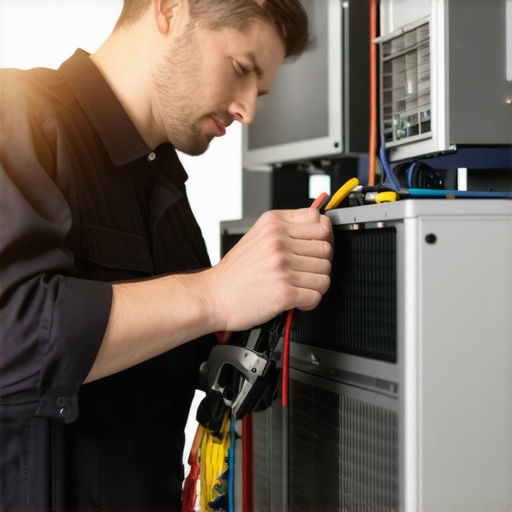
Have you ever experienced that sinking feeling in your chest when you realize your heating or cooling system just isn’t doing its job anymore? Maybe it’s the middle of winter, and your furnace suddenly stops working, leaving you shivering in a cold house. Or perhaps summer hits, and your air conditioner struggles to keep up, turning your home into a sauna. That frustration, that helplessness — I’ve been there myself. It’s a stark reminder of how much we rely on our HVAC systems to keep our homes comfortable and safe.
Why Trusting the Right Experts Matters More Than Ever
In my early days of troubleshooting HVAC problems, I made what I now see was a rookie mistake: I tried to fix complex issues myself without understanding the full scope of the problem. Let me tell you, that often led to more damage and higher costs. It’s tempting to think we can DIY everything, but when it comes to heating and cooling systems, expertise isn’t just a luxury — it’s a necessity. Today, I want to share how choosing the right professional can rebuild your trust in your home’s climate control. Reliable HVAC repair and installation aren’t just about fixing things; they’re about restoring confidence that your home is safe, comfortable, and energy-efficient. If you’ve faced the disappointment of a system failure, you’re not alone. And I promise, there’s a way to turn things around.
Is HVAC Repair and Installation Actually Worth the Investment?
This is the big question I hear all the time. With so many options and prices out there, it’s natural to wonder if investing in professional HVAC services is truly worth it. Believe me, I was skeptical too — until I saw the difference it made in my own home. Proper repair and installation by seasoned experts can extend your system’s lifespan, improve energy efficiency, and most importantly, keep your family comfortable year-round. Skimping on quality or rushing into a quick fix can lead to more headaches down the line. Trusting trained professionals ensures that your system is optimized for your home’s unique needs, saving you money in the long run. Want to learn how to pick the right provider? Check out [this guide](https://heatprosservices.com/choosing-the-right-hvac-fixes-what-homeowners-need-to-know) for tips on making smart choices in HVAC repairs and upgrades.
Diagnose Before You Dive In
When my furnace failed last winter, I learned that rushing into repairs without proper diagnosis only worsened the problem. Start by inspecting your system thoroughly or calling a professional for an accurate assessment. Use a checklist to identify common issues like faulty thermostats, dirty filters, or leaking ducts. For complex problems, refer to this guide to determine if immediate repair is necessary. Proper diagnosis saves time, money, and prevents further damage.
Choose the Right Professionals
Next, find qualified experts who specialize in your system type. Don’t just pick the first service provider; verify their credentials, reviews, and experience. I once called a tech based solely on a cheap quote, only to have them make a mess of my system. Instead, I recommend consulting trusted sources and browsing this resource for tips on selecting reputable technicians. A well-chosen professional will not only fix the immediate issue but also recommend upgrades to prevent future failures.
Perform Precise Repairs and Installations
Once you’ve hired experts, ensure they follow best practices during repair or installation. For example, during my recent AC upgrade, I insisted on proper sealing and insulation, which drastically improved efficiency. Use clear communication to understand what work is being done, and request a written plan. This prevents surprises and ensures accountability. For advanced systems, consider innovations like smart thermostats or zone controls, which I discovered can significantly enhance comfort and energy savings—see this article for insights.
Test and Fine-Tune Your System
After repairs or installation, testing your system thoroughly is crucial. Turn on your HVAC and observe its operation—listen for unusual noises, check airflow, and monitor temperature consistency. I once overlooked a small leak that caused a drop in efficiency; catching it early saved me hundreds. Use a checklist and consider professional testing to ensure your system runs optimally. Fine-tuning settings can boost performance and longevity, preventing future breakdowns. For ongoing maintenance, follow preventative tips that keep your system in top shape year-round.
Document and Maintain Your System
Keep records of all repairs, parts replaced, and service visits. This history helps troubleshoot future issues faster and builds trust with your technician. Regular maintenance, including filter changes and system checks, extends lifespan and avoids costly emergency repairs. When you stay proactive, you keep your home comfortable and your trust in your HVAC system intact. For comprehensive maintenance advice, explore these strategies.
While many homeowners believe they understand HVAC systems, several misconceptions persist that can lead to costly mistakes. Let’s dig deeper into some of the most common myths and uncover the nuances that often get overlooked. By understanding these, you can make smarter decisions and avoid pitfalls that could compromise your comfort and budget.
Why Do People Fall for These HVAC Myths?
One reason is the widespread spread of outdated advice or oversimplified tips on the internet. For example, a frequent misconception is that changing filters alone is enough to keep your system running efficiently. While filter maintenance is essential, it’s just one piece of a much larger puzzle that includes duct sealing, system calibration, and proper sizing during installation.
The Hidden Cost of Oversimplification
Many homeowners assume that all HVAC repairs are straightforward and can be fixed with a quick DIY attempt or a cheap service. However, this often leads to more damage, higher repair costs, and reduced system lifespan. For instance, replacing a faulty thermostat without diagnosing underlying issues might temporarily improve comfort but won’t solve persistent airflow problems caused by duct leaks or failing compressors. To ensure your system operates at peak performance, it’s crucial to rely on professional diagnostics.
Advanced Mistake: Underestimating System Compatibility
Another common mistake is assuming that any new HVAC component will work seamlessly with your existing system. This is false—incorrect sizing or incompatible parts can cause inefficiency, increased energy bills, and even system breakdowns. Modern innovations like smart thermostats and zone control systems offer significant benefits, but they require proper integration. Consulting with experts who understand the latest climate control innovations ensures you get the most out of your investment.
Have You Ever Fallen into This Trap?
Many homeowners also believe that regular maintenance isn’t necessary unless something breaks. In reality, preventative care and routine inspections can extend your system’s lifespan and prevent expensive emergencies. Don’t wait until your system fails; proactive service can identify issues early and keep your home comfortable year-round. Check out these maintenance tips for more insights.
Understanding these nuances isn’t just about saving money—it’s about trusting your system to perform reliably when you need it most. If you want to avoid these common pitfalls, always seek expert advice and comprehensive diagnostics. Your home’s comfort and your wallet will thank you. Have you ever fallen into this trap? Let me know in the comments!
Maintaining your HVAC system over time requires more than just basic cleaning; it involves the right tools, methods, and a proactive approach to keep everything running smoothly. From diagnostic devices to software solutions, I’ll share the specific equipment I rely on to ensure my systems stay efficient and reliable for the long haul.
Why Invest in Proper Diagnostic Tools
Accurate diagnostics are the backbone of effective HVAC maintenance. I personally use a digital manifold gauge set, which allows me to precisely measure refrigerant pressures and identify leaks or inefficiencies. Unlike traditional analog gauges, digital ones provide quick, clear readings, reducing guesswork and preventing unnecessary part replacements. For example, when my AC starts underperforming, I use a digital multimeter to check electrical components, ensuring that wiring and relays are functioning correctly before proceeding with repairs. These tools not only save time but also protect my system from further damage caused by misdiagnosis.
Leveraging Software for System Monitoring
In recent years, smart thermostats like Nest or Ecobee have revolutionized HVAC maintenance. I recommend integrating these with your system because they provide real-time data on temperature, humidity, and energy consumption. The software apps allow me to monitor system performance remotely, set maintenance reminders, and even receive alerts when something is amiss—like an unusual spike in energy use that could indicate a developing problem. As the industry moves toward predictive maintenance, these tools will become even more essential for identifying issues before they escalate, saving money and extending equipment lifespan.
Routine Inspection and Cleaning Devices
Consistent upkeep involves regular inspections—something I simplify with specialized tools. A high-quality vacuum with HEPA filtration helps me clean ductwork efficiently, removing dust and mold that can impair airflow or trigger allergies. I also use an ultrasonic cleaner for small parts like thermostats or sensors, ensuring they stay free of dirt and corrosion. These investments in cleaning equipment pay off by maintaining system efficiency and reducing the likelihood of breakdowns.
Preparing for Future HVAC Trends
The future of HVAC maintenance is leaning heavily towards automation and data analysis. I predict that advanced IoT sensors and AI-driven diagnostics will become mainstream, allowing systems to self-monitor and alert homeowners or technicians proactively. Embracing these innovations now can give you a head start in maintaining your system with minimal effort and maximum accuracy.
How do I keep my HVAC system working well over time?
The key is consistency and investing in the right tools. Regular use of diagnostic devices, leveraging smart technology, and routine cleaning with specialized equipment ensure your system remains efficient. I highly recommend trying a smart thermostat integration combined with a digital manifold gauge set for precise diagnostics—these are game-changers in long-term HVAC care. For more advanced tips, explore future HVAC innovations. Remember, proactive maintenance not only boosts efficiency but also prevents costly repairs down the line, keeping your home comfortable year-round.
The Hardest Lesson I Learned About HVAC Repairs
One of the biggest surprises I encountered was realizing that rushing into repairs without proper diagnosis often made things worse. I once tried to fix my furnace myself, only to find that the problem was deeper than I thought. This taught me the importance of expert diagnostics and not relying solely on quick fixes.
Small Details Make a Big Difference in HVAC Maintenance
During my early days, I underestimated the power of precise tools. Using a digital manifold gauge set and smart thermostats changed how I approached maintenance, making it more accurate and less guesswork — prolonging system lifespan and saving money.
Patience Pays Off in Long-Term HVAC Care
Waiting for the right moment to call professionals, rather than ignoring small signs of trouble, proved crucial. Routine inspections and early interventions keep systems running smoothly and prevent costly emergencies, reaffirming that proactive care is essential.
Understanding My System’s Unique Needs
Not all components are compatible or effective for every home. Learning about innovations like zone controls and smart sensors helped me tailor my setup, boosting efficiency and comfort. Consulting experts who stay updated on climate control trends is a game-changer.
http://Emily%20Johnson
Reading this post really resonated with me, especially the part about the importance of trusting professionals for HVAC repairs. I’ve learned from my own past experience that attempting DIY repairs without proper diagnosis can often lead to more issues down the line. I once tried to fix my own furnace, thinking it was a small problem, but it turned out to be a much bigger mechanical issue that needed expert attention. Since then, I’ve invested more in regular maintenance and timely professional diagnostics, which have saved me a lot of money and hassle. The section about using diagnostic tools and smart thermostats caught my eye because I’ve started to incorporate these technologies into my home. Have any of you found that integrating smart tools has actually helped catch problems early? I’d love to hear others’ experiences with preventive maintenance or tech upgrades that truly made a difference in HVAC longevity and efficiency.
http://Michael%20Anderson
This post really hits home for me, especially since I’ve learned the hard way about the importance of proper diagnostics before jumping into repairs. I once tried to fix my air conditioner myself, thinking that a simple filter change or cleaning would fix everything. Instead, I ended up causing a small leak that led to costly repairs later. Now, I always rely on trained professionals with the right tools. I recently invested in a smart thermostat and a digital manifold gauge, and I must say, these tools have transformed how I monitor my system’s health. The thermostat allows me to adjust settings remotely, and I get alerts if anything seems off, which helps catch issues early. I wonder how many other homeowners have experienced similar benefits with these modern technologies? Do you think integrating such tools is worth the investment for everyone, or are there situations where simpler solutions work just as well? It would be great to hear from others who’ve seen real improvements in HVAC longevity and energy savings through tech upgrades.