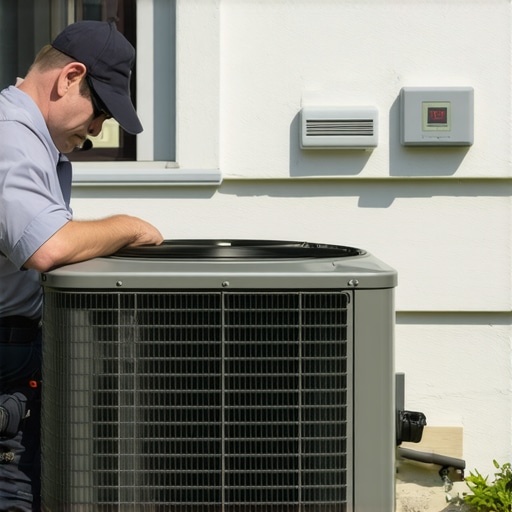
Ever had that sweltering summer day where your AC just refuses to cool your home, and you feel like you’re throwing money out the window on repairs that never seem to fix the problem? I’ve been there. I remember the frustration of calling in a technician, only to find out later that a simple oversight had been causing my system to underperform. That lightbulb moment made me realize how crucial proper AC installation and HVAC maintenance really are for lasting comfort.
Why Your Home’s Comfort Depends on Smart HVAC Choices
Most homeowners don’t think much about their HVAC system until it stops working right in the middle of a heatwave or cold snap. But here’s the thing: the decisions you make during installation and the regular maintenance you skip can make or break your home’s comfort and your wallet. I learned this the hard way when I ignored basic tips for years, only to end up with uneven cooling, skyrocketing energy bills, and frequent breakdowns. It’s a common mistake, but one that’s easy to fix if you know what to look for. Trust me, a little knowledge goes a long way. For example, choosing the right system for your home size and insulation can dramatically reduce your cooling costs, as highlighted by experts in HVAC installation tips.
Have you ever faced an unexpected AC breakdown on the hottest day of the year? If so, you’re not alone. Many homeowners discover their system’s weaknesses only after a crisis hits. But what if you could prevent most of these issues with simple, preventative steps? That’s exactly what I want to share today.
Early on, I made the mistake of ignoring routine checks, thinking that repairs could wait until something went wrong. Big mistake. Regular maintenance, like inspecting filters, checking refrigerant levels, and scheduling professional tune-ups, can extend your system’s lifespan and keep it running efficiently. In fact, studies show that preventative HVAC maintenance can improve system efficiency by up to 30%, saving you money in the long run (read more here).
So, are you tired of unpredictable home temperatures and costly repairs? If you’ve struggled with these issues, stay tuned. We’re about to dive into practical, expert-backed tips that will help you make smarter choices and keep your HVAC running smoothly for years to come. Ready to restore your confidence in your home’s comfort? Let’s get started!
Start with Precise System Selection
Choosing the right AC or HVAC unit is like picking the perfect pair of shoes—fit matters. I once installed a system that was slightly too small for my living room, leading to constant overworking and early failure. To prevent this, measure your space accurately and consider insulation quality. Consult HVAC installation tips for guidance. This ensures your system is neither over- nor under-powered, optimizing efficiency from day one.
Properly Size and Position Equipment
When I installed my last unit, I made the mistake of placing it too close to a window, which caused uneven cooling. Position your outdoor unit in a shaded, open area, free of obstructions, to maximize airflow. For indoor units, placement near high-traffic areas without obstructions ensures even temperature distribution. Remember, a well-placed system reduces strain and prolongs lifespan.
Seal Ducts and Insulation for Efficiency
In my first house, poor duct sealing led to significant energy loss—you could feel warm air escaping! Use foil tape or mastic sealant to close gaps in ducts thoroughly. Additionally, insulate ducts running through unconditioned spaces. This simple step boosts system efficiency and cuts monthly bills. For detailed techniques, check HVAC repair strategies.
Upgrade Filters Regularly
Neglecting filter changes is like trying to breathe through a clogged straw. During my last maintenance, I replaced filters monthly, which instantly improved airflow and indoor air quality. Use high-quality filters suited to your system’s needs, and mark your calendar for replacements. Clean filters prevent strain on your system and extend its life.
Schedule Routine Professional Tune-Ups
Nothing beats expert service for catching issues early. I schedule annual inspections with a trusted technician who checks refrigerant levels, cleans coils, and inspects electrical connections. Regular tune-ups prevent breakdowns and keep your system running at peak efficiency. For a comprehensive maintenance plan, explore preventative HVAC tips.
Monitor and Adjust Thermostat Settings
During one particularly hot summer, I set the thermostat too low, causing unnecessary energy use. Using a programmable thermostat, I now set it higher when away and lower during occupied hours. This simple adjustment saves money and maintains comfort without constant manual changes. Consider smart thermostats for better control and energy savings.
Keep External Units Clean and Clear
My outdoor unit was clogged with leaves, reducing airflow and causing overheating. Regularly clear debris and trim vegetation around the unit. Keep at least two feet of clearance to ensure optimal operation. Proper outdoor maintenance is crucial for system longevity and efficiency.
Learn When to Call Professionals
Minor issues like strange noises or inconsistent cooling often indicate bigger problems. I once ignored a hissing sound until the system stopped working altogether. If you notice refrigerant leaks or urgent repair needs, consult experts like HVAC professionals to avoid costly damage. Regular professional assessments can save your system from premature failure.
Many homeowners fall prey to misconceptions about HVAC systems that can lead to costly mistakes and reduced comfort. Let’s dig deeper into some of the most persistent myths and uncover the truths behind them, so you can make smarter decisions for your home’s climate control. First off, a prevalent myth is that bigger HVAC units always mean better cooling or heating. This couldn’t be further from the truth. Oversized systems tend to cycle on and off more frequently, which not only increases wear and tear but also wastes energy. Proper sizing, based on a detailed load calculation, is essential. For expert guidance on selecting the right system, check HVAC installation tips.
Another common misconception is that regular maintenance is unnecessary if the system seems to be working fine. This is a dangerous trap. Many homeowners only call for service when something breaks down. But, as I’ve learned through experience, preventative maintenance—like inspecting filters and refrigerant levels—can extend your system’s lifespan and optimize efficiency. In fact, studies show that regular tune-ups can improve performance by up to 30%. Discover more about preventative HVAC tips to avoid costly repairs down the line.
Now, here’s a question to ponder: Why do so many overlook the importance of duct sealing? Many assume that ducts are airtight, but in reality, leaks can cause significant energy loss—up to 30%, according to the Department of Energy. Sealing ducts with mastic or foil tape, especially in unconditioned spaces, can dramatically improve system efficiency. For detailed techniques, visit HVAC repair strategies.
Finally, a sneaky trap is believing that all filters are created equal. Using the wrong type or neglecting regular changes can restrict airflow and strain your system. High-efficiency filters are great, but only if they’re compatible with your unit and changed regularly—ideally every 1-3 months. This simple step prevents unnecessary wear and keeps your indoor air quality high.
Have you ever fallen into this trap? Let me know in the comments. Staying informed and avoiding these myths can save you money and ensure your home stays comfortable year-round. For more expert tips, explore HVAC repair insights and keep your system running smoothly.
How do I maintain my HVAC system over time?
Keeping your HVAC system running smoothly requires more than just routine checks; it demands the right tools and a strategic approach. One of my go-to tools is a high-quality digital manifold gauge set. I personally prefer the Yellow Jacket brand because of its durability and precise readings, which are crucial when checking refrigerant levels or diagnosing pressure issues. Regularly monitoring refrigerant pressure with this tool helps detect leaks early, preventing costly repairs and ensuring efficiency, aligning with expert advice from HVAC repair strategies.
Another essential device I recommend is a digital multimeter. I use the Fluke 117 because of its accuracy and reliability. It helps me quickly test electrical components like relays, capacitors, and contactors, reducing the need for guesswork and ensuring safety. Proper electrical diagnostics can prevent unexpected breakdowns, especially during extreme weather seasons.
For ongoing maintenance, I rely heavily on a sophisticated airflow meter, such as the Anemometer. Maintaining optimal airflow is critical, and this tool allows me to measure airflow velocity at supply registers and vents. It’s invaluable for ensuring that your ducts and vents aren’t obstructed or leaking, which can significantly impact system performance. Regular airflow checks, combined with duct sealing techniques, are fundamental for maximizing efficiency, as highlighted in HVAC repair tips.
Beyond tools, software plays a vital role. I utilize an HVAC diagnostic app called HVAC Pilot that helps log system performance data, set maintenance reminders, and track repairs over time. This digital record-keeping ensures I don’t overlook routine tasks and allows me to identify patterns that might indicate future issues. Embracing technology like this aligns with the trend toward smarter, data-driven maintenance strategies.
Looking ahead, I believe that the future of HVAC maintenance will heavily incorporate IoT sensors and predictive analytics. These innovations will enable real-time monitoring and early fault detection, minimizing downtime and repair costs. For homeowners and professionals alike, staying ahead with these technologies will be essential for sustainable, long-term system health.
If you’re serious about keeping your HVAC system in top shape, I recommend starting with a comprehensive refrigerant check using a reliable digital manifold gauge, and then integrating a system monitoring app. These steps will empower you to catch issues early and maintain optimal performance for many years. Ready to take your HVAC maintenance to the next level? Try implementing a digital airflow meter and see the difference in your system’s efficiency!
The Hardest Lesson I Learned About HVAC Maintenance
One of my most eye-opening experiences was realizing that neglecting simple checks, like filter changes, can cause system failure during peak seasons. It taught me that routine maintenance isn’t just a chore—it’s vital for reliability and efficiency, and skipping it can lead to costly repairs.
My Eye-Opening Discoveries About Proper System Sizing
I once installed an AC unit that was too powerful for my space, which caused frequent cycling and increased wear. The realization that proper sizing based on detailed load calculations prevents wasted energy and prolongs equipment life was a game-changer. It’s a lesson I wish I knew sooner, and it underscores the importance of expert guidance during installation.
Why Sealing Ducts Saved Me Money and Headaches
Initially, I ignored duct leaks, thinking they weren’t a big deal. That mistake cost me hundreds in higher energy bills. Learning that sealing ducts with mastic or foil tape can cut energy loss by up to 30% changed my approach entirely. This simple fix significantly improved my system’s efficiency and indoor comfort.
How Regular Professional Tune-Ups Can Prevent Disasters
Scheduling annual inspections with a trusted technician has been crucial. It caught refrigerant leaks and electrical issues early, preventing outages during extreme weather. This proactive approach has saved me from emergency repairs and extended my system’s lifespan, proving that investing in professional maintenance pays off.
http://Emily%20Roberts
This post really hits home for me, especially the parts about proper system sizing and duct sealing. I remember installing my HVAC system without professional guidance and choosing a unit that was a bit too large for my space, which led to frequent cycling and higher energy bills. Since then, I’ve learned how crucial accurate load calculations are for efficiency and longevity. Also, sealing duct leaks has been a game changer—I managed to reduce my energy costs by sealing all accessible leaks with mastic in my attic and basement. Regular maintenance, like filter changes and professional tune-ups, has also extended my system’s lifespan significantly. I do wonder, with all these DIY steps, when should homeowners definitely call in a professional to handle repairs or inspections? Are there specific signs that DIY can’t safely or effectively address? It seems balancing DIY preventive care with professional help is essential for keeping the system running smoothly.
http://Benjamin%20Carter
Reading this post reminds me how easy it is to overlook some key maintenance tasks until something goes wrong. I had an experience last summer where my outdoor condenser got clogged with leaves and debris, which caused it to overheat and shut down during the hottest days. Since then, I make a point of checking and clearing the area around my unit monthly. It’s amazing how such a simple step can prevent costly breakdowns and improve efficiency. Also, I’ve found that regular filter changes and scheduling professional tune-ups have drastically reduced my energy bills and extended system lifespan. Regarding your question about when to call professionals, I think signs like strange noises, weak airflow, or frequent system cycling are clear indicators that a tune-up is needed. Has anyone here tried sealing duct leaks with mastic themselves? Would love to hear if that’s an easy DIY fix or best left to pros. Overall, staying vigilant and performing routine checks saves a lot of headaches and money down the line.