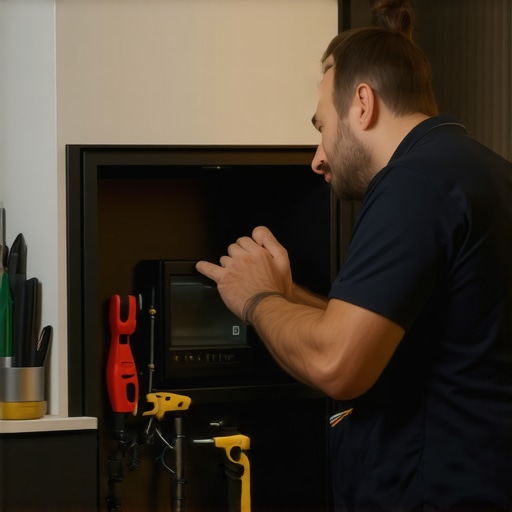
Have you ever been caught in the cold, desperately flipping a thermostat that refuses to cooperate? I remember one winter night when my old furnace suddenly gave out, leaving my family shivering and frustrated. That was my lightbulb moment—realizing how vital a reliable heating system is for comfort and peace of mind. If you’re facing similar struggles, you’re not alone. Many homeowners underestimate the importance of timely furnace repairs until they’re left in the cold, which is why I want to share how expert solutions can restore your trust and warmth.
Why It Matters to Fix Your Heating Fast
Your furnace isn’t just about comfort; it’s about safety, efficiency, and saving money. A malfunctioning system can lead to skyrocketing energy bills, safety hazards, or complete breakdowns when you least expect them. Trust me, ignoring minor issues can turn into costly emergencies. Early intervention, guided by professionals who understand the nuances of heating systems, ensures your home stays cozy and your system runs efficiently. For practical tips on keeping your HVAC in top shape, check out preventative HVAC repair tips.
Is Furnace Repair Actually Worth the Hype?
When I first started troubleshooting my furnace, I made the mistake of trying to fix things myself, only to make the problem worse. That’s a common mistake homeowners make—thinking they can save money by DIY repairs. But in reality, rushing repairs without proper knowledge can lead to bigger issues. Hiring trusted professionals not only saves you time and stress but also guarantees the job is done right the first time. If you want to learn how to identify urgent repairs that need professional attention, visit how to identify urgent furnace repairs.
Start with a Precise Diagnosis
My first real attempt at fixing my furnace was a mess. I ignored the importance of diagnosing the exact problem and kept guessing, which only made things worse. A professional approach begins with a thorough inspection. Check for obvious signs like strange noises, uneven heating, or trouble starting. Then, use diagnostic tools to identify issues such as faulty thermostats, broken ignitors, or clogged filters. This initial step is like a doctor ordering tests before treatment—mistakes here can lead to ineffective repairs or further damage.
Gather the Right Tools and Parts
Once I knew what needed fixing, I realized I lacked the specialized tools and replacement parts. Professionals keep a well-stocked toolkit and trusted parts on hand. For homeowners, it’s better to consult experts who have access to high-quality components. This ensures your furnace gets durable repairs, not just quick fixes. To learn how to choose the right parts, visit choosing the right HVAC fixes.
Follow a Systematic Repair Process
In my case, I tried fixing the blower motor first, but without a systematic plan, I missed steps and caused more issues. Professionals follow a step-by-step process—disarming the system safely, testing individual components, replacing faulty parts, and then reassembling. Think of it like fixing a complex machine: skip a step, and the whole thing can fail. If you prefer a DIY approach, at least consult HVAC repair tips for guidance.
Test and Verify the Repair
After fixing my furnace, I turned it on and hoped for the best. But a professional will run detailed tests—checking temperature outputs, safety features, and efficiency—to confirm everything works perfectly. This step prevents future breakdowns and ensures your home stays warm reliably. For insights into proper testing procedures, see HVAC repair efficiency tips.
Maintain Regularly to Prevent Future Failures
My biggest lesson was that repair isn’t a one-time fix. Regular maintenance, such as changing filters, inspecting vents, and scheduling professional tune-ups, keeps your system running smoothly. Think of it like a car—regular oil changes extend its lifespan. For detailed maintenance routines, check out heating service hacks. Proper upkeep builds trust in your system’s reliability and saves money over time.
Many homeowners have misconceptions about furnace repairs that can lead to costly mistakes. Let’s dig deeper into some of the most persistent myths and why trusting expert advice is crucial for maintaining your system’s longevity and efficiency.
Why Do People Believe These Myths?
One reason is that information spreads quickly online, often without proper verification. For example, a common misconception is that all repair issues are DIY-friendly. While some minor tasks like changing filters are simple, complex problems require professional diagnosis and repair. Rushing into DIY fixes can cause more harm than good, leading to further damage or safety hazards. To avoid this, consult trusted sources or contact experienced technicians—see efficient HVAC repair tips.
Are All Repairs Equally Urgent or Can I Delay Them?
This is a tricky area. Many homeowners believe that if their furnace is still working, repairs can wait. However, delaying repairs can cause minor issues to escalate, resulting in total breakdowns when least expected. For example, ignoring strange noises or inconsistent heating can lead to more extensive repairs or even system failure. Experts recommend prompt diagnosis and action—learn how to identify urgent repairs at urgent furnace repair signs.
What about the Cost of Repairs? Are Professional Services Always Expensive?
Many assume professional repairs are costly, but this is often a false perception. Skilled technicians can efficiently diagnose and fix issues, preventing costly emergency replacements later. Moreover, proper repairs improve energy efficiency, saving you money over time. Remember, attempting to cut costs by avoiding professional help might lead to higher expenses down the line. For cost-effective solutions, see HVAC repair strategies. Always weigh the long-term benefits of expert service over short-term savings.
Do Advanced Technologies Make Repairs Easier or More Confusing?
With evolving HVAC technologies, some believe that modern systems are so complex that only manufacturers can handle repairs. While it’s true that new features require specialized knowledge, professional technicians stay updated through ongoing training. They understand the nuances of advanced systems and can troubleshoot effectively. Investing in expert repair ensures your system benefits from the latest innovations, as discussed in heating service innovations. Don’t fall for the myth that newer means less repairable—trust the pros to keep your system running smoothly.
Maintaining your furnace over time is crucial to ensure reliable warmth and efficiency during the cold months. Having the right tools at hand can make routine checks and minor repairs much easier, saving you money and preventing unexpected breakdowns. I personally rely on a few specialized pieces of equipment that I’ve tested over years of experience, and I highly recommend them to homeowners looking to keep their heating systems in top shape.
Why I Trust My Digital Manifold Gauges
Digital manifold gauges are a game-changer for diagnosing refrigerant levels and system pressures quickly and accurately. I prefer models like the Testo 557s because they provide clear readings and connect seamlessly to my mobile device via Bluetooth, allowing for on-the-go diagnostics. Regularly checking refrigerant levels helps prevent compressor strain and maintains system efficiency, especially as the weather changes. For those serious about long-term HVAC health, investing in a reliable digital gauge is worth every penny.
Why an Infrared Thermometer Is Essential
An infrared thermometer allows me to quickly spot uneven heat distribution or cold spots in my home, which can indicate underlying issues. I use the Fluke 62 MAX+ because it’s durable, accurate, and easy to operate. This tool helps me verify that the system is delivering consistent warmth and assists in troubleshooting potential problems without invasive procedures. Regular temperature checks with this device can catch issues early, extending the lifespan of your furnace.
Proper Use of Multimeters for Electrical Checks
Multimeters are fundamental for testing electrical components like thermostats, relays, and wiring. I prefer the Fluke 117 because it provides precise readings and has a non-contact voltage detection feature, reducing the risk of electric shock. Consistent electrical testing ensures your system’s safety and helps identify faulty wiring or failing components before they cause a system shutdown. A multimeter is a must-have for anyone serious about DIY maintenance or troubleshooting.
Leveraging Smart Thermostats for Long-Term Savings
Smart thermostats like the Nest Learning Thermostat or Ecobee not only give you more control over your heating schedule but also learn your routines to optimize energy use. I recommend installing one of these devices to monitor your system’s efficiency constantly and receive alerts for maintenance needs. These smart tools predict issues before they escalate, making them invaluable for long-term system health. As technology advances, I predict these devices will become even more integrated with diagnostic systems, providing real-time feedback and proactive maintenance suggestions.
How do I maintain my heating system over time?
The key to long-lasting furnace performance is regular maintenance, including cleaning filters, inspecting ductwork, and scheduling annual professional tune-ups. Incorporating diagnostic tools like digital gauges and infrared thermometers into your routine can catch issues early, preventing costly repairs. For detailed, step-by-step maintenance routines, check out preventative HVAC repair tips. I encourage you to try using a digital manifold gauge this season; it’s a powerful tool that can help you understand your system’s health in real-time and make informed decisions about repairs or adjustments. Regular use of these tools not only extends your furnace’s lifespan but also keeps your energy bills in check, ensuring comfort and peace of mind for years to come.
The Hardest Lesson I Learned About Furnace Repair
One of the most valuable lessons I discovered is that rushing repairs without proper diagnosis often leads to more problems. Early in my DIY journey, I thought I could fix my furnace quickly, but I ended up causing additional damage that cost more to repair later. Taking the time to understand the root cause before jumping into repairs is essential for long-term reliability.
3 Myths About Furnace Maintenance That Held Me Back
I used to believe that regular maintenance was unnecessary if my furnace seemed to be working fine. This misconception almost led to a total system failure during a cold snap. Regular tune-ups, including changing filters and inspecting components, are vital to prevent unexpected breakdowns and extend your system’s lifespan. Trusting expert advice helped me see the importance of proactive upkeep.
What Experts Won’t Tell You About Furnace Troubleshooting
Many professionals know that not every issue requires a complete system replacement. Sometimes, a simple relay or thermostat adjustment is all that’s needed. Learning to recognize the signs of minor problems and addressing them early can save you time and money. I now follow recommended diagnostic procedures and utilize tools like digital manifold gauges and infrared thermometers to accurately assess my system’s health.
My Essential Toolkit for Furnace Care
Over the years, I’ve found that having a few trusted tools makes all the difference. A reliable digital manifold gauge, like the Testo 557s, helps me monitor refrigerant levels accurately. An infrared thermometer, such as the Fluke 62 MAX+, allows quick heat distribution checks. A quality multimeter like the Fluke 117 ensures electrical safety and component testing. These tools empower me to perform routine checks confidently and catch issues early.
Where to Go from Here
If you’re serious about maintaining your furnace’s reliability, invest in professional guidance and the right tools. Regular maintenance routines, combined with diagnostic tools, can prevent costly emergencies. For detailed tips, visit preventative HVAC repair tips. When in doubt, don’t hesitate to contact trusted technicians to ensure your home stays warm and safe all winter long.
Your Turn to Make a Difference
What’s the biggest challenge you’ve faced when trying to troubleshoot or repair your furnace? Share your story below and let’s learn from each other’s experiences!
http://Emily%20Watson
Reading this article really resonates with me because I’ve experienced that winter night freeze firsthand when my furnace unexpectedly stopped working during a cold snap. It’s startling how much we rely on our heating systems to keep us safe and comfortable. I’ve learned the hard way that trying to troubleshoot or repair complex components without proper tools or knowledge can sometimes make things worse. I now always call in professionals for major issues, especially after an embarrassing attempt at DIY repair that caused more damage. How do others balance trusting professionals versus tackling small repairs themselves? For me, regular maintenance and using diagnostic tools like infrared thermometers or digital gauges has really extended my furnace’s lifespan and kept my home warm.
http://Michael%20Johnson
Reading this post really hit home for me. I had a similar experience during a winter storm where my furnace suddenly stopped working, and I was left scrambling to find a solution. It made me realize how crucial regular maintenance and early detection are for avoiding such stressful situations. I started investing in diagnostic tools like infrared thermometers and multimeters, which have helped me identify minor issues before they turn into costly repairs. I agree with the importance of trusting professionals for complex problems, but I think empowering homeowners with some basic troubleshooting skills can be beneficial too—especially for simple fixes like changing filters or checking circuit breakers. Have others found effective ways to gradually learn more about HVAC systems without feeling overwhelmed? I’d love to hear tips on balancing DIY efforts with professional help to keep our systems running smoothly and efficiently.