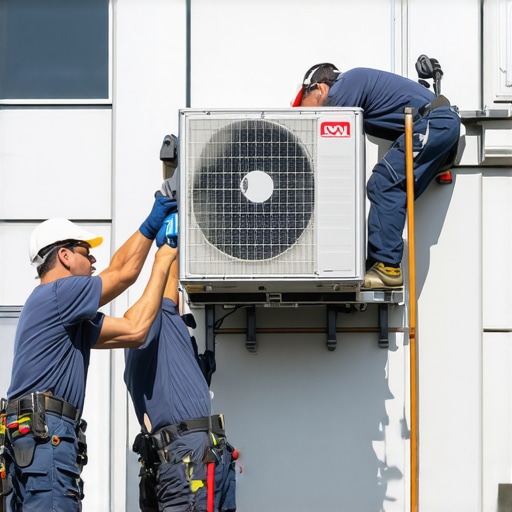
I remember the hot summer day when my air conditioner finally gave out in the middle of a heatwave. The frustration was real—hot, sticky air filling my home, and a creeping sense of helplessness. It was a lightbulb moment for me: trusting the wrong HVAC technician or rushing into a quick fix can make things worse, costing me more money and comfort in the long run. That experience was a wake-up call, and I knew I had to learn the ins and outs of effective AC installation and HVAC repair to truly rebuild my trust in my home’s climate control system.
Why Proper HVAC Repair Matters Now More Than Ever
With climate change bringing more unpredictable weather and hotter summers, reliable HVAC systems are no longer optional—they’re essential. A poorly installed air conditioner or a shoddy repair can lead to increased energy bills, uneven cooling, or even complete system failure. I’ve seen friends and neighbors fall for quick fixes that only provide temporary relief, leaving them right back where they started—struggling with discomfort and mounting costs. The key is understanding what makes HVAC repair and installation effective and trustworthy. Protecting your home and your wallet starts with knowing the right steps, which I’ve learned through my own journey and trusted sources like this expert guide.
Is Rushing the Fix Actually Worth It?
Early in my HVAC adventure, I made the mistake of choosing a contractor based solely on price, ignoring their expertise or reviews. That quick decision cost me more in the long run. It’s a common trap—believing that a cheap fix now will save money, but in reality, it often leads to bigger problems later. Trustworthy HVAC repair involves a careful assessment, quality parts, and skilled installation. It’s about building confidence that your system will run efficiently for years to come. I’ve learned that a little patience and research go a long way. If you’ve ever faced a similar dilemma, you’re not alone. Better knowledge and a strategic approach can help you avoid costly mistakes and restore your system’s reliability.
Next, I’ll share practical tips that helped me and can help you too, ensuring your AC and HVAC systems are installed and repaired the right way—so you can enjoy lasting comfort and peace of mind. Ready to dive into the specifics? Let’s get started.
Start with a Thorough System Inspection
When I faced my first major AC failure, I learned that rushing into repairs without proper inspection only delayed my comfort. Begin by assessing your system comprehensively. Check for visible damages, listen for unusual noises, and monitor system performance. This initial step acts like a health check-up, revealing underlying issues that quick fixes might overlook. For reliable guidance, consider visiting this expert guide for detailed inspection techniques.
Choose Quality Parts and Materials
In my experience, using cheap or incompatible parts often backfires. After identifying the problem, invest in high-quality, manufacturer-approved components. Think of it like building a sturdy bridge; the quality of materials determines longevity. When I replaced my faulty capacitor, opting for a reputable brand extended my system’s lifespan significantly. To ensure you select the right parts, learn more at this resource.
Follow Proper Installation Protocols
Missteps during installation are common pitfalls. I once watched a technician hurriedly install a new unit, which resulted in uneven cooling. To prevent this, adhere to manufacturer instructions meticulously. This includes proper mounting, secure electrical connections, and correct refrigerant levels. Think of installation like assembling a complex piece of furniture—precision matters. For insider tips, check out these secrets from HVAC pros.
Test and Calibrate for Optimal Performance
After installation, testing is crucial. I learned this the hard way when my system ran but didn’t cool effectively. Use a digital thermometer and airflow meters to verify temperature differentials and airflow rates. Fine-tuning these settings ensures efficiency and trust in your system. Calibration is like tuning a musical instrument—small adjustments can make a big difference. For detailed calibration steps, visit this blueprint for efficient repairs.
Establish Preventative Maintenance Routines
My biggest mistake was ignoring regular upkeep, which led to system failures. Regularly replace filters, clean coils, and schedule professional inspections. Think of maintenance as a routine health check that prevents bigger problems. This proactive approach saves money and extends your system’s life. For tips on maintaining your HVAC system, explore these preventative tips.
Seek Expert Assistance When Needed
While DIY fixes are tempting, complex issues demand professional expertise. I once attempted to repair a refrigerant leak myself, which only worsened the problem. Trustworthy technicians follow strict protocols, use proper tools, and ensure safety standards are met. Building this trust is like hiring a specialist for a delicate surgery—expertise matters. To find qualified help, contact this trusted service.
Many homeowners operate under misconceptions about HVAC repair and installation, often believing that more inexpensive or quick fixes are sufficient. However, these assumptions can lead to costly mistakes and system failures. As an HVAC expert, I want to dig into some common myths and reveal nuanced truths that can help you make smarter decisions about your home’s climate control systems.
Why Cutting Corners Usually Costs More
One of the most persistent myths is that choosing the cheapest contractor or parts will save money. In reality, low-cost options often compromise quality, leading to subpar repairs or improper installations. These shortcuts can cause your system to work harder, increase energy bills, and require repairs sooner. For example, using inferior refrigerants or skipping calibration steps can drastically reduce system efficiency. Instead, investing in high-quality parts and experienced professionals—like those featured in this expert guide—ensures longevity and optimal performance.
Common Mistakes That Lead to Advanced Failures
Another trap many fall into is neglecting detailed diagnostics before repairs. Rushing into a fix without understanding the root cause can leave underlying issues unresolved, which may cause recurring problems. For example, ignoring duct leaks or improper refrigerant levels during repair can result in uneven cooling and higher energy consumption. My advice? Always request a thorough system inspection, similar to the steps outlined in this comprehensive blueprint. This approach not only saves money but also extends your system’s life.
What Advanced HVAC Professionals Know That You Don’t
Expert technicians are trained to identify subtle issues that may not be immediately apparent—like insulation inefficiencies or airflow obstructions—that can significantly impact performance. They also follow strict installation protocols, ensuring refrigerant levels are perfect and components are correctly aligned. This precision can be the difference between a system that lasts 10 years and one that fails after 3. To learn more about these insider secrets, visit this article.
Have you ever fallen into this trap? Let me know in the comments. Remember, understanding these nuances empowers you to avoid costly mistakes and enjoy lasting comfort from your HVAC system. For more expert tips, explore this resource.
Keeping your HVAC system running smoothly over the years requires more than just occasional repairs; it demands the right tools, consistent maintenance routines, and a proactive approach. From digital diagnostic devices to specialized cleaning equipment, I’ve identified some must-have tools that have significantly improved my ability to troubleshoot and sustain my system’s performance. Investing in quality tools not only saves time but also enhances accuracy, ensuring your HVAC system remains reliable for the long haul.
How do I maintain HVAC systems over time?
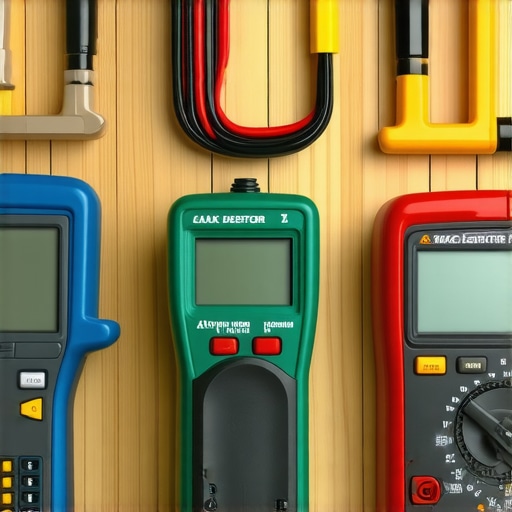
Regular maintenance is crucial, but it’s equally important to use the right tools for each task. I personally rely on a digital multimeter for electrical diagnostics, which allows me to quickly test voltage, current, and resistance, helping identify faulty wiring or components early. A refrigerant leak detector is also invaluable; it pinpoints leaks with precision, preventing costly refrigerant loss and ensuring efficient cooling. For cleaning coils and filters, I use a high-pressure blower and industry-grade coil cleaner, which I apply regularly to prevent buildup that hampers airflow and efficiency.
Moreover, I recommend a versatile digital airflow meter. This device helps me verify that airflow rates are within optimal ranges after repairs or part replacements. Proper airflow is vital for system efficiency and comfort, and this tool provides quick, reliable measurements. When combined with a good set of screwdrivers, pliers, and safety gear, these tools empower me to perform thorough maintenance and minor repairs without always needing professional help.
Looking ahead, I believe the trend in HVAC maintenance tools will lean heavily toward automation and smart diagnostics. Wireless sensors and IoT-enabled devices will soon allow homeowners and technicians to monitor system health remotely, receiving alerts before minor issues turn catastrophic. Embracing these innovations can help extend your system’s lifespan even further and save money on major repairs.
To get started, I suggest trying out a professional-grade refrigerant leak detector. It’s a game-changer for early diagnostics and can prevent refrigerant-related failures. Remember, regular use of these tools combined with scheduled inspections ensures your HVAC system remains efficient and dependable year after year. For more detailed guidance on maintenance routines and best practices, explore these preventative tips.
The Hardest Lesson I Learned About HVAC Repairs
One of my biggest lightbulb moments was realizing that rushing into quick fixes often leads to recurring problems and higher costs. Patience and thorough diagnostics saved me from future headaches. I learned to value detailed inspections before jumping to conclusions, which kept my system running smoothly for years.
3 Myths About HVAC Repair That Held Me Back
I used to believe that the cheapest parts and contractors would save me money. Turns out, cutting corners often costs more in the long run. Investing in quality components and experienced professionals is the real secret to durability and efficiency.
What Experts Won’t Tell You About HVAC Installation
Many technicians know subtle issues like duct leaks or refrigerant imbalances that can sabotage system performance. Trusting their expertise means your HVAC system will operate at peak efficiency, saving energy and extending its lifespan. Learning these insider tips from trusted sources like this article can make all the difference.
My Essential Toolkit for HVAC Maintenance
Over the years, tools like a digital multimeter, refrigerant leak detector, and airflow meter have transformed my maintenance routine. These tools provide precise diagnostics, helping me catch issues early and avoid costly repairs. I recommend starting with a high-quality refrigerant leak detector to prevent refrigerant loss and boost system reliability. Explore these preventative tips to get your toolkit ready.
Your Turn to Take Control of HVAC Comfort
Understanding the hidden truths of HVAC repair and installation empowers you to make smarter decisions, avoid costly mistakes, and enjoy lasting comfort. Whether it’s regular maintenance or choosing the right professional, every step counts. Don’t wait for a breakdown—start implementing these insider secrets today and transform your home’s climate control experience.