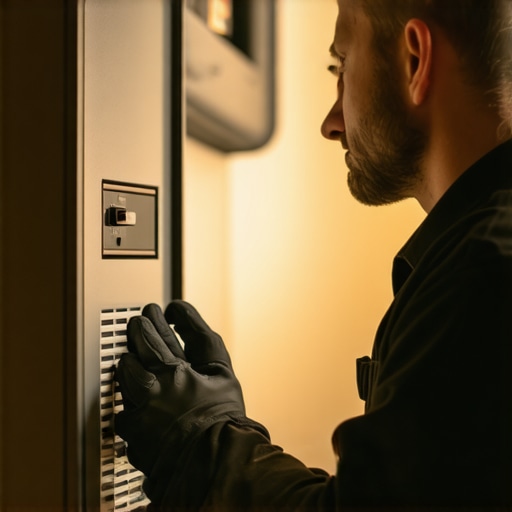
It was a cold winter night when I realized my heating system had failed just as I needed it most. The chill seeped into every corner of my home, and I was left scrambling, uncertain if I could trust my furnace to keep us warm through the night. That moment of panic hit hard—I knew I had to find a reliable solution, not just a quick fix.
Why Trusting the Right Heating Service Matters More Than Ever
When your home’s warmth is at stake, you don’t want to gamble with just anyone. I learned this the hard way. Early on, I tried to save a few bucks by hiring a less experienced technician, only to find out that a small mistake had turned into a costly repair. Since then, I’ve made it my mission to understand what makes a trusted furnace or heating system repair service truly reliable. According to industry experts, choosing the right provider can extend your system’s lifespan and prevent unexpected breakdowns, which could leave you in the cold when you least expect it. For a deeper dive into the latest innovations, check out how heating service innovations are transforming 2025 climate control.
Will I Be Overcharged or Get Ripped Off?
This was my biggest fear—and honestly, I almost paid the price early on. I made the mistake of trusting the first quote I received without doing a little research. That led me to realize that many homeowners fall into the trap of overpaying or getting inferior service. It’s vital to vet your service provider, read reviews, and ensure they’re transparent about costs. I’ve since learned that reputable companies often have clear, upfront pricing and a track record of quality work. Want to avoid common pitfalls? Visit furnace repair myths debunked by industry experts for insights.
If you’ve faced similar worries, you’re not alone. Many homeowners hesitate, unsure if they should invest in professional repair or replace their system altogether. But the good news is, with the right guidance, you can restore confidence in your heating system and enjoy a warm, cozy home again. Let’s explore how to do just that, starting with identifying the signs your system needs expert attention.
Assess Your System’s Warning Signs
Start by inspecting your furnace for signs it needs expert attention. If you notice inconsistent heating, strange noises, or increased energy bills, it’s time to act. I once ignored a rattling noise coming from my basement unit, which later led to a complete breakdown on a freezing night. Recognizing these early signs can save you from costly repairs and discomfort.
Gather Reliable Information and Reviews
Before calling a technician, research local service providers. Look for reviews on trusted platforms to gauge their reputation. I found that reading customer feedback helped me avoid unprofessional contractors, saving both time and money. Reputable companies often provide transparent quotes and detailed service explanations, which you can verify through industry insights.
Request a Detailed, Upfront Quote
Always ask for a written estimate before any work begins. During my experience, I received a vague quote that later ballooned due to hidden fees. Ensuring the provider offers clear, upfront pricing prevents surprises. For tips on avoiding common scams, check furnace repair myths.
Verify Technician Qualifications and Experience
Ask about licensing, certifications, and years of experience. I once hired a technician with little training, which resulted in improper repairs and another call for rework. Choosing certified experts guarantees quality work and confidence in their skills. For trusted repair strategies, visit top repair strategies.
Monitor Repair Process and Ask Questions
Stay engaged during repairs. I learned to ask technicians to explain what they’re doing and why. This not only builds trust but also helps me understand my system better. If something seems off, don’t hesitate to seek a second opinion. Learn more about urgent repairs at urgent repair indicators.
Test Your System Before Finalizing
After repairs, turn on your system and check for proper operation. I once overlooked a small adjustment, which caused further issues later. Always confirm heating quality and listen for abnormal sounds. Regular maintenance tips can be found at preventative tips.
Keep Records and Schedule Regular Maintenance
Maintain detailed records of repairs and schedule routine checkups. This proactive approach extends your system’s lifespan and ensures consistent trust in your heating. I now follow a maintenance schedule recommended by industry experts, which reduces emergency repairs and costs.
Many homeowners operate under certain misconceptions about heating system repairs, often leading to costly mistakes. Let’s clear up some of the most persistent myths and reveal the nuanced truths that can save you time and money.
Why Cutting Corners on Repairs Often Backfires
One widespread mistake is trying to fix heating issues with DIY solutions or opting for cheap, unlicensed technicians. While it might seem cost-effective initially, the reality is that improper repairs can cause more damage, reduce system efficiency, and even void warranties. Industry experts emphasize that investing in qualified, certified professionals—like those discussed at furnace repair myths debunked by industry experts—ensures long-term reliability and safety.
Another misconception is that all repair parts are interchangeable or of equal quality. In fact, using generic or substandard parts can compromise your system’s performance and durability. Advanced repair strategies highlighted at top repair strategies include sourcing OEM parts, which are designed for your specific model, helping to extend its lifespan.
Why Many Believe Replacement Is Always Better Than Repair
It’s common to think that replacing an aging furnace is the best solution once repairs become frequent. However, this isn’t always true. Repairing a well-maintained system with modern techniques—like those described in heating service innovations transforming 2025 climate control—can be just as effective, if not more economical. Sometimes, repairs can restore your system’s efficiency to near-new levels, saving thousands compared to a full replacement.
Are Older Systems Worth Fixing or Better Replaced?
Many assume that older systems are beyond repair. But this isn’t always accurate. A detailed assessment by an expert can reveal whether a few targeted repairs can prolong the life of your furnace or heat pump. For instance, regular maintenance and timely repairs, as suggested at preventative HVAC repair tips, can make an older system perform reliably for years longer.
Understanding these nuances is crucial. It’s easy to fall into traps of oversimplified advice, but a thorough evaluation and trusting experienced professionals can prevent unnecessary expenses. Have you ever fallen into this trap? Let me know in the comments!
Keeping it Working: Tools and Methods I Trust for Long-Term Heating Care
Maintaining your heating system over time requires more than just occasional checks; it demands the right tools and a consistent approach. I’ve found that investing in a few specialized pieces of equipment and adopting methodical procedures can significantly extend your system’s lifespan and ensure reliable performance during the cold months.
One of my go-to tools is a digital multimeter. I use it extensively to verify electrical connections, check voltage levels, and diagnose potential issues with thermostats or control boards. A quality multimeter, like the Fluke 115, offers precise readings and durability, making it invaluable for troubleshooting and routine maintenance. Regularly testing your system’s electrical components helps catch problems early before they escalate into costly repairs.
Next, I rely on a refrigerant leak detector, especially if you have a heat pump or air conditioning integrated with your heating system. Detecting refrigerant leaks early can improve efficiency and prevent compressor damage. I personally prefer electronic leak detectors over soap bubble tests because they are more sensitive and faster, allowing me to pinpoint issues with greater accuracy.
Another essential is a high-quality vacuum pump for flushing your system during maintenance or repairs. Proper evacuation of air and moisture prevents corrosion and ensures optimal heat transfer. I’ve found that a reliable pump, such as the Robinair 15500, simplifies the process and reduces the risk of introducing contaminants into the system.
Beyond hardware, software tools like HVAC diagnostic apps on my tablet have revolutionized my maintenance routine. These apps provide step-by-step troubleshooting guides and allow me to keep detailed logs of repairs and inspections. They also offer access to technical manuals and service bulletins, which are crucial for understanding complex system behaviors and staying updated with the latest innovations, like those discussed at heating service innovations transforming 2025 climate control.
Predicting where this trend is heading, I believe smart diagnostic tools with IoT integration are going to become standard. These devices will continuously monitor system health, alert homeowners to issues before they become critical, and even suggest maintenance actions remotely. Embracing these technologies now puts you ahead in maintaining long-term system efficiency.
How do I maintain my heating system over time?
The key is establishing a regular maintenance schedule that includes checking electrical connections, inspecting for leaks, cleaning filters, and updating software diagnostics. Using the right tools consistently ensures you catch problems early, save money, and avoid emergency breakdowns. For detailed tips on preventative care, visit preventative HVAC repair tips. Don’t hesitate to try out one of these advanced diagnostic tools today — it could be the difference between a minor tune-up and a major system failure.
The Hardest Lesson I Learned About Heating Repairs
One of my most eye-opening experiences was realizing that rushing into repairs without proper knowledge can lead to bigger problems. I once tried to fix a strange noise myself, only to make the issue worse, leading to costly repairs later. This taught me the importance of trusting qualified professionals and understanding the nuances of heating systems.
3 Myths About Furnace Maintenance That Held Me Back
Believing that regular maintenance was unnecessary or that DIY fixes could replace professional service delayed my system’s performance. I learned that routine checks, like inspecting electrical connections and filters, are vital to prevent unexpected breakdowns. Industry experts recommend a proactive approach, like following preventative HVAC repair tips, to keep your system running smoothly.
What Experts Won’t Tell You About Old Heating Systems
Many assume that older systems are beyond repair, but a proper assessment can reveal opportunities to extend their life. Sometimes, targeted repairs using OEM parts can restore efficiency and reliability. This approach can save you thousands compared to full replacement, especially if the system is still structurally sound and well-maintained.
Curated Tools That Changed My Approach to Heating Care
Investing in a quality digital multimeter, like the Fluke 115, allowed me to diagnose electrical issues quickly and accurately. A refrigerant leak detector and a reliable vacuum pump, such as Robinair 15500, have been game-changers during maintenance. Additionally, using HVAC diagnostic apps on my tablet helps me track repairs and stay updated with the latest innovations, including heating service innovations for 2025.
Stay Ahead with Confidence and Care
The key to a warm home is not just reacting to problems but actively maintaining your heating system with the right knowledge and tools. Regular checkups, professional assessments, and embracing new technologies will ensure your system performs reliably when you need it most. Remember, a little effort today can prevent a cold night tomorrow. How do you ensure your heating system stays in top shape? Share your strategies below!