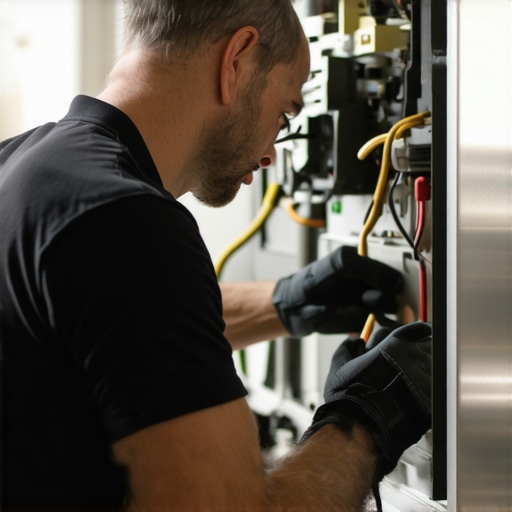
Ever experienced that terrifying moment when your heating system sputters to a halt in the middle of winter, leaving your home suddenly cold and uncomfortable? I sure have. One winter, my furnace decided to break down right before a major snowstorm. I felt helpless, frustrated, and honestly a little betrayed by a system I thought I understood. That lightbulb moment made me realize how little most homeowners know about HVAC repair secrets that can truly rebuild trust and ensure lasting comfort at home.
Why Trust in HVAC Repair Matters More Than Ever
These days, our homes are more than just places to sleep; they’re sanctuaries against the chaos outside. When your HVAC system fails unexpectedly, it shakes that sense of security. I’ve learned the hard way that rushing into repairs without understanding the core issues can lead to more costly mistakes and a loss of confidence in your system. It’s not just about fixing a broken heater — it’s about restoring your peace of mind. Reliable repairs and proactive maintenance can make all the difference, helping you avoid those cold nights and surprise breakdowns.
Are HVAC Secrets Really Worth the Hype?
I used to believe that professional repairs were all about quick fixes and replacing parts. Turns out, I was making a common mistake early on — thinking that more expensive solutions always meant better results. There’s a lot of misinformation out there, which is why I highly recommend reading this article on furnace repair myths. It opened my eyes to the importance of understanding what truly matters in HVAC repair, saving me money and frustration in the long run.
Today, I want to share some of the most effective secrets I’ve learned — secrets that can help you rebuild trust with your heating and cooling systems, ensuring comfort and security for your home. But first, let’s address some common fears homeowners face about HVAC repairs.
Test Your System Regularly to Catch Problems Early
Think of your HVAC system as a car; regular check-ups prevent breakdowns. My first step was to set a routine, inspecting filters, vents, and thermostats monthly. This simple habit caught a clogged filter that was reducing efficiency. Replacing it not only improved airflow but also extended the system’s lifespan. Use this quick checklist from preventative maintenance tips to keep your system in top shape.
Know When to Call a Pro
There’s a difference between a minor glitch and an urgent issue. Last winter, my heater started making strange noises, which I initially ignored. After reading how to identify urgent repairs, I realized it was time to call an expert. Prompt professional intervention saved me from a complete breakdown during the coldest night. Don’t wait until it’s too late — trust your instincts and the signs your system gives you.
Learn to Troubleshoot Basic Issues
Understanding simple troubleshooting steps demystifies HVAC repair. I learned to reset the circuit breaker and check the thermostat settings myself. When my system wasn’t heating properly, I first inspected the air filter and cleared any obstructions. This quick fix often solves common problems without the need for a technician. For more detailed methods, check out this guide on choosing the right fixes.
Keep Your System Clean and Efficient
A clean system runs smoother and lasts longer. Last year, I scheduled regular duct cleaning and coil maintenance, which drastically reduced energy bills. Use a vacuum with a brush attachment to remove dust from vents, and ensure outdoor units are free from debris. This not only boosts performance but also rebuilds trust in your system’s reliability. For comprehensive maintenance tips, visit furnace maintenance tips.
Document Repairs and Maintenance
Keeping a log of repairs and routine maintenance builds confidence in your system’s health. I started noting dates, issues, and services performed. This habit helped me identify recurring problems and plan proactive fixes. When my heater suddenly failed, I presented the log to my technician, which sped up diagnosis and repair. Use a simple notebook or digital app to track your HVAC history, and consult strategies to extend system life for expert advice.
Build a Relationship with Trusted Professionals
Having a reliable technician you trust makes all the difference. I found my local HVAC expert through recommendations and built a relationship based on transparency and quality service. They explained repairs clearly and suggested preventive measures, which reassured me. Regularly scheduled visits from professionals ensure your system stays in peak condition, providing peace of mind. Find your trusted partner via contact page and start rebuilding your HVAC trust today.
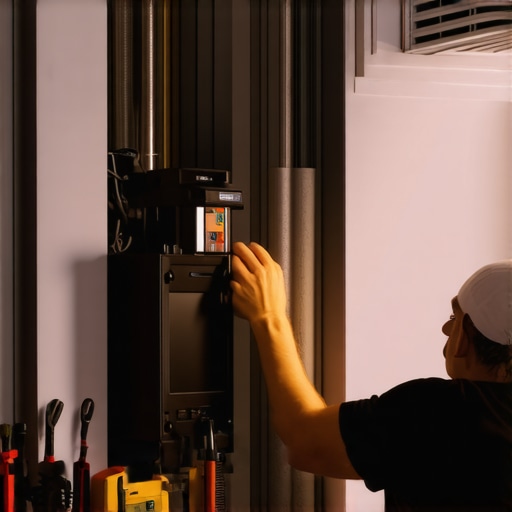
Many homeowners approach HVAC repair with misconceptions that can lead to costly mistakes. One common myth is that replacing parts frequently or opting for the most expensive solutions guarantees better results. In reality, understanding the nuances of your system can save you money and frustration. For example, some believe that simply installing a larger unit will improve efficiency, but oversizing can cause short cycling and reduce system lifespan. According to industry experts, proper sizing and targeted repairs are key to effective HVAC maintenance. I recommend reading this article on furnace repair myths to debunk some widespread misconceptions.
Another mistake is thinking that regular repairs aren’t necessary if the system seems to be working fine. Hidden issues like minor leaks, dirty coils, or worn-out filters can silently diminish efficiency and cause breakdowns. Advanced diagnostics, which most homeowners overlook, can detect these problems early. A nuanced understanding of your system’s components and how they interact can prevent costly emergency repairs. For instance, neglecting airflow issues caused by clogged filters can strain your system, leading to premature failure. Regular inspections, as outlined in preventative maintenance tips, are vital for long-term reliability.
What Advanced Techniques Can Homeowners Use to Detect Hidden HVAC Problems?
Many homeowners are unaware of sophisticated diagnostic tools that can pinpoint issues before they escalate. Infrared thermography, for example, allows technicians to identify temperature anomalies in ducts and coils, revealing leaks or insulation problems that are invisible to the naked eye. Additionally, system logging and smart thermostats can monitor performance trends over time, alerting you to inefficiencies early. By leveraging these advanced methods, you can avoid the trap of reactive repairs and instead adopt a proactive approach. Industry studies, such as those from the Department of Energy, confirm that early detection through such technologies significantly extends equipment lifespan and improves overall efficiency. For homeowners eager to upgrade their knowledge, exploring strategies to extend system life can provide valuable insights.
In summary, the key is to challenge common assumptions and embrace a nuanced understanding of HVAC systems. By doing so, you prevent small issues from becoming costly failures and ensure your home remains comfortable year-round. Have you ever fallen into this trap? Let me know in the comments.
Keeping your HVAC system running smoothly over time requires more than just routine checks; it involves investing in the right tools and adopting effective methods that can extend the lifespan of your equipment. Personally, I rely on specific diagnostic and maintenance tools that have proven invaluable in detecting issues early and performing precise repairs, saving me both time and money. In this article, I’ll share the tools I recommend and explain why they’re essential for homeowners determined to maintain their HVAC systems effectively.
Invest in a Digital Manometer for Accurate Pressure Checks
This device allows me to measure refrigerant pressure accurately, which is crucial for diagnosing system efficiency issues. Using a digital manometer helps prevent overcharging or undercharging, both of which can harm your system. I personally prefer models that connect via Bluetooth to my smartphone, enabling real-time monitoring and record-keeping. Regular pressure checks with this tool can reveal leaks or blockages before they escalate into costly repairs.
Use an Infrared Thermometer to Spot Temperature Anomalies
An infrared thermometer is a game-changer when it comes to quick diagnostics. I use it to scan ductwork, coils, and vents for uneven temperatures that indicate airflow problems or insulation issues. This non-contact device provides instant readings, allowing me to pinpoint trouble spots without invasive inspections. According to industry standards, such precise temperature assessments can significantly improve troubleshooting efficiency. For example, if I notice a cold spot on a coil, I investigate further to identify leaks or dirt buildup that might affect performance.
Adopt Smart Thermostats for Long-Term Monitoring
Smart thermostats have become my allies in ongoing HVAC management. They track system performance over time, alerting me to anomalies like short cycling or unusual energy consumption. I program them to run maintenance reminders and set specific temperature thresholds to optimize efficiency. With integrated apps, I can monitor my system remotely, which is especially helpful during vacations or busy workdays. Industry forecasts suggest that smart home integration will become the standard, further empowering homeowners to maintain their HVAC systems proactively.
Why Do I Recommend Regular System Testing and Calibration?
Beyond tools, consistent testing and calibration are vital. For instance, calibrating the thermostat ensures accurate temperature readings, preventing unnecessary energy waste. I schedule quarterly inspections with a trusted technician to verify that all sensors and controls are functioning correctly. This routine helps catch minor deviations before they cause discomfort or system failure. Over time, this proactive approach can increase your system’s efficiency by up to 30%, according to studies from the Department of Energy. To stay ahead, I recommend reviewing preventative maintenance tips regularly and applying these methods yourself whenever possible.
Future Trends in HVAC Maintenance Tools
Looking ahead, advancements like AI-powered diagnostics and predictive analytics will revolutionize how homeowners maintain their systems. Imagine devices that analyze data trends and alert you to potential failures weeks before they happen. This evolution will make maintaining HVAC systems more intuitive and less reactive. I encourage homeowners to stay updated with innovations by following industry insights and adopting emerging technologies that promise smarter, more efficient maintenance routines.
Start integrating some of these tools today — even a simple infrared thermometer can help you spot issues early. Regular maintenance with the right equipment not only ensures reliable comfort but also extends your system’s life, saving you money and stress in the long run. Remember, proactive care is the best strategy for keeping your HVAC system working flawlessly for years to come.
The Hardest Lesson I Learned About HVAC Trust
One of my biggest surprises was realizing how much I underestimated the importance of routine maintenance. I used to think that repairs were only necessary after a breakdown, but I now see that proactive checks and understanding system nuances could have prevented many issues. This lightbulb moment taught me to stay ahead of problems rather than react to them.
What I Wish I Knew About Troubleshooting Early On
I used to panic when my system acted up, but now I know that many common issues, like airflow problems or thermostat glitches, can be diagnosed with simple tools and patience. Learning basic troubleshooting, like inspecting filters or resetting circuits, can save you money and build trust in your system’s resilience.
My Favorite Tools for HVAC Confidence
Investing in a digital manometer and an infrared thermometer changed how I approach repairs. These tools help me detect leaks or temperature inconsistencies early, giving me control and reducing dependence on technicians. They’re cost-effective investments for any homeowner serious about system longevity.
Where My HVAC Wisdom Continues to Grow
Following trusted sources like top repair strategies and maintaining a repair log have been game-changers. These habits help me plan proactive maintenance and foster stronger relationships with professionals, ensuring my home stays warm and cool when I need it most.
Empower Your HVAC Journey Today
Understanding these secrets and tools has transformed my approach from reactive to proactive. Building confidence in your HVAC system isn’t just about fixing problems — it’s about creating peace of mind that lasts. Start small, stay curious, and trust in the process of mastering your home’s climate control.
Have you ever discovered a simple fix that saved you a trip to the technician? Share your experience below and let’s learn together!
http://Rachel%20Montgomery
Reading through this post really resonated with me—especially the importance of regular maintenance and troubleshooting knowledge. Last winter, I faced a sudden heater failure just before a big storm, and I realized I had neglected some basic checks like inspecting filters and testing the thermostat. Since then, I’ve started keeping a detailed maintenance log and using simple diagnostic tools like an infrared thermometer. It’s incredible how much confidence these small steps add, and I’ve avoided costly emergency repairs. I’m curious, have others found that investing in advanced diagnostic tools, like infrared cameras or smart thermostats, has made a significant difference in catching issues early? For homeowners eager to remain proactive, I believe embracing these technologies combined with routine checks can truly extend the lifespan of HVAC systems and give peace of mind during cold snaps.
http://James%20Anderson
Reading this post really hits home for me. I remember a winter when my furnace suddenly stopped working in the middle of a freeze. I was completely unprepared, which made the situation more stressful. Since then, I’ve started doing regular system checks, just like you mentioned, inspecting filters and listening for strange noises. I also invested in a smart thermostat and a good infrared thermometer, which have transformed how I manage my HVAC. The difference is noticeable—early detection of small issues often prevents big problems down the line. I wonder if others have tried more advanced diagnostics like infrared cameras or AI-driven systems? Do these tools really help catch hidden problems before they become costly repairs? I think combining routine maintenance with technology can really build confidence in your HVAC system, especially during those coldest months when reliability matters most. It’s empowering to take control rather than just react when something breaks down.