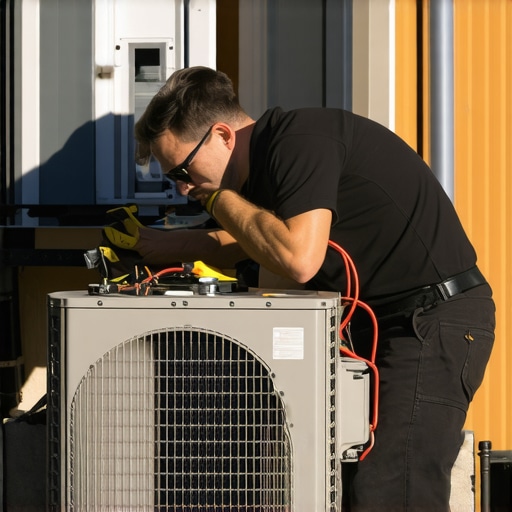
Have you ever watched your air conditioner sputter and die on the hottest day of the year, feeling that wave of frustration hit you like a tidal wave? I sure have. Early in my career, I made a mistake that cost me time, money, and trust. It was a lightbulb moment—one that pushed me to learn the ins and outs of expert AC installation and HVAC repair techniques that truly restore confidence.
Why Getting HVAC Repairs Right Matters More Than Ever
In today’s climate, your HVAC system isn’t just about comfort; it’s about health, energy efficiency, and peace of mind. A poorly installed or repaired AC can lead to skyrocketing energy bills, uneven cooling, or worse, system failure when you need it most. That’s why mastering the right techniques is crucial. And trust me, it’s not just about knowing what to do—it’s about doing it right the first time.
Is Cutting Corners Really Worth the Risk?
I used to think shortcuts would save me time, but I learned the hard way that rushing through HVAC repairs often leads to bigger issues down the line. An early mistake I made was neglecting proper system diagnostics, which caused recurring problems that could have been avoided with thorough troubleshooting. Now, I emphasize the importance of comprehensive assessment. For trusted strategies on how to perform effective repairs and installations, check out this resource.
If you’re facing similar frustrations or just want to ensure your system operates at peak performance, stay tuned. I’ll walk you through proven expert techniques that can transform your HVAC experience from shaky to rock solid. Ready to rebuild your confidence? Let’s dive into what really works in HVAC repair and installation today.
Evaluate and Diagnose Before You Touch a Tool
Think of diagnosing your HVAC system like a doctor running tests before a surgery. I remember a time when I skipped this step and ended up fixing the wrong part, which cost me hours. Always start with thorough diagnostics—check for leaks, listen for unusual noises, and measure system pressures. Use a multimeter to verify electrical components are functioning properly. This step ensures you’re targeting the root cause, not just symptoms, saving time and preventing costly mistakes. For comprehensive diagnostic methods, check out this guide.
Prepare Your Workspace and Gather Proper Tools
Imagine trying to repair a delicate watch with a hammer—that’s what happens if you’re not prepared. Gather all necessary tools: screwdrivers, pliers, refrigerant gauges, and safety gear. Clean your workspace to avoid losing small parts and to work efficiently. I once started a repair in a cluttered garage, struggled to find my tools, and ended up damaging a component. Proper preparation reduces errors and restores confidence in your skills. For tips on organizing your workspace, see these hacks.
Follow Manufacturer Guidelines and Industry Best Practices
Manufacturers know their systems best—think of their instructions as a recipe for success. I once attempted an installation without reading the manual, which led to improper refrigerant levels and poor system performance. Always consult the manufacturer’s installation manual and adhere to safety standards. Use approved tools and parts to ensure longevity and efficiency. For expert tips on following best practices, visit this resource. This approach guarantees your work is reliable and earns trust.
Execute System Repairs with Precision and Care
Think of repairing HVAC like assembling a complex Lego set—each piece must fit perfectly. When replacing a compressor, handle it carefully to avoid damaging connections. Use refrigerant recovery machines to prevent leaks, and ensure electrical connections are tight and correctly insulated. I remember rushing a repair, leading to a short circuit that caused a system shutdown. Take your time, double-check every connection, and test thoroughly before finishing. For detailed repair procedures, see this guide. Precision and patience are your best tools for lasting results.
Test, Fine-Tune, and Document Your Work
After completing repairs or installation, it’s like tuning a musical instrument—small adjustments make a big difference. Run the system through various cycles, check airflow, measure refrigerant pressures, and ensure the thermostat responds correctly. Keep detailed notes of what you did and the settings you used; this builds your confidence and provides a reference for future issues. I once forgot to record my refrigerant levels, which delayed troubleshooting later. Documentation is a simple but powerful habit. For tips on system testing and maintenance, visit this resource.
Keep Learning and Refining Your Skills
HVAC technology evolves rapidly—staying current is like upgrading your toolkit. Attend workshops, read industry updates, and experiment with new techniques. I improved my confidence significantly by watching videos on expert installation secrets. Remember, every repair is a learning opportunity. Over time, these best practices will become second nature, making you more efficient and trusted in your craft.
While many homeowners and even some technicians believe they understand the ins and outs of HVAC installation, a surprising number of misconceptions persist. These myths can lead to costly mistakes, inefficient systems, and even safety hazards. Today, let’s dig deeper into the nuances that often get overlooked and shed light on the truths that can save you time, money, and frustration.
Why Do So Many Believe These HVAC Myths?
One reason these misconceptions thrive is the gap between popular advice and industry best practices. For example, a common myth is that bigger systems are always better. In reality, an oversized unit can cycle on and off frequently, leading to increased wear and tear, higher energy bills, and uneven cooling. This misunderstanding stems from a lack of awareness about proper load calculations, which consider factors like insulation, ductwork, and local climate.
Moreover, many assume that DIY installation is as reliable as professional work. However, HVAC systems require precise refrigerant charging, electrical connections, and adherence to safety standards. Improper installation not only reduces efficiency but can void warranties and cause long-term damage. According to industry experts, up to 50% of system failures are linked to poor installation practices, emphasizing the importance of trusting trained professionals.
Beware of the Shortcut Trap
One of the most dangerous traps in HVAC work is rushing through diagnostics. Skipping thorough testing can result in addressing the wrong issue, which wastes time and resources. For instance, replacing a compressor without confirming high refrigerant levels or checking for leaks might resolve a symptom temporarily but ignores the root cause. This oversight can lead to repeat failures and additional repair costs. To avoid this, always follow a systematic diagnostic process, starting with comprehensive assessments like using refrigerant gauges and electrical tests. For more detailed diagnostic strategies, check out this guide.
How Can Advanced Knowledge Improve Your HVAC Projects?
For seasoned DIYers or professionals, understanding the subtle differences in component compatibility and system design is vital. For example, selecting the right refrigerant or ensuring proper airflow involves nuanced calculations and familiarity with industry standards. A key mistake is neglecting duct sizing, which can compromise system performance and comfort. Proper airflow ensures that the conditioned air reaches every corner efficiently, reducing energy waste. Industry research, such as the study published in the ASHRAE Journal, confirms that optimal duct design significantly impacts system efficiency. To master these details, explore this comprehensive resource.
Another advanced tip is understanding the importance of proper refrigerant recovery and evacuation. Incorrect procedures can introduce moisture and impurities that degrade system longevity. Always use approved tools and follow manufacturer instructions meticulously. Remember, a well-executed installation or repair is an investment in your system’s lifespan and your peace of mind.
Have you ever fallen into this trap? Let me know in the comments. Staying informed and cautious is the best way to ensure your HVAC system performs reliably for years to come.
How do I keep my HVAC system running smoothly over time?
Maintaining your HVAC system is crucial for long-term efficiency and reliable performance. One of my top recommendations is investing in a high-quality digital manifold gauge set. I personally prefer the Yellow Jacket Digital Manifold because it offers precise refrigerant pressure readings and connects easily to mobile apps for real-time diagnostics. This tool helps me quickly identify pressure drops or leaks, saving time and preventing unnecessary repairs.
Another essential piece of equipment is a refrigerant recovery machine. I use the Robinair 34788NI model because it complies with industry standards and reduces environmental impact when reclaiming refrigerant. Proper recovery ensures system integrity and compliance with regulations, which is something I prioritize in my work.
To keep the system clean, I rely on a vacuum pump like the JB Industries DV-200N. It creates deep vacuum levels necessary for removing moisture and impurities before recharge. Regular use of a quality vacuum pump extends system lifespan and maintains optimal cooling performance.
For diagnostics, I use a digital multimeter such as the Fluke 117. Its accuracy and durability have helped me troubleshoot electrical components with confidence. I check contactors, capacitors, and wiring connections to ensure everything functions correctly. This reduces call-backs and improves customer satisfaction.
Advanced software tools are also changing the game. I utilize industry-specific diagnostic software that syncs with my tools to streamline troubleshooting. Future trends point toward more integrated, AI-powered diagnostics that will further reduce guesswork and improve repair accuracy.
How do I maintain my HVAC tools over time?
Regular calibration and cleaning are key. I make sure to calibrate my gauges and multimeters annually, following manufacturer instructions. Cleaning filters and checking hoses for leaks keeps my tools in top shape. Also, proper storage—keeping tools in a dry, organized toolbox—prevents damage and prolongs their lifespan.
If you’re serious about HVAC maintenance, I encourage you to try out a comprehensive approach: invest in precise diagnostic tools, regularly calibrate and maintain them, and stay updated with industry advancements. For more insights on maintaining system efficiency, visit these heating service hacks. Consistent care and the right tools can make your HVAC system more reliable and save you money in the long run. Ready to upgrade your toolkit? Start with a digital manifold and see the difference it makes!
The Hardest Lesson I Learned About HVAC Work
One of the toughest lessons I faced was neglecting thorough diagnostics before jumping into repairs. Rushing to fix what seemed obvious often led me to replace parts unnecessarily, wasting time and resources. It taught me that patience and detailed testing are the backbone of reliable HVAC work.
3 Myths About HVAC That Held Me Back
Believing that bigger systems always mean better comfort was a costly misconception. I learned that improper sizing causes inefficiency and increased wear. Another myth was DIY being as reliable as professional installation—nothing replaces training and industry standards. Overcoming these myths opened my eyes to the importance of expert advice and proper planning.
What Experts Won’t Tell You About HVAC Maintenance
Many overlook the significance of regularly calibrating diagnostic tools. I discovered that maintaining gauges, multimeters, and vacuum pumps ensures accurate readings and long-lasting performance. Investing in quality tools and routine upkeep has transformed my approach, saving me from avoidable mistakes.
My Essential Toolkit for HVAC Success
These tools have become my trusted companions: a high-precision digital manifold gauge set, like the Yellow Jacket Digital Manifold, helps me diagnose refrigerant issues quickly. A reliable refrigerant recovery machine, such as the Robinair 34788NI, ensures compliance and system integrity. The JB Industries DV-200N vacuum pump is my go-to for thorough dehumidification, and the Fluke 117 multimeter provides electrical accuracy I trust. Combining these with industry-specific diagnostic software streamlines my workflow and boosts confidence.
Keep Moving Forward: Your HVAC Journey Starts Now
Every repair is a chance to learn and grow. Embrace the tools, stay curious, and don’t hesitate to seek expert resources like these HVAC hacks. Your dedication today builds the comfort and trust of tomorrow. Remember, mastery isn’t a destination but an ongoing journey—take the first step today and watch your skills flourish!