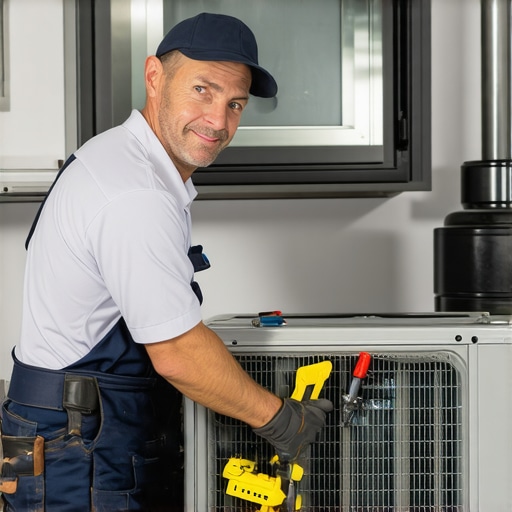
There was a chilly winter night when my furnace suddenly stopped working. I had no idea what to do, and panic set in. That moment taught me a valuable lesson: trusting the wrong repair advice can make the problem worse. If you’ve ever faced a sudden HVAC breakdown, you know how stressful it feels to lose your home comfort overnight.
Why Proper HVAC Repair and Installation Matter Now More Than Ever
In today’s climate, with energy costs rising and our homes demanding more efficiency, getting your HVAC system right isn’t just about comfort. It’s about safety, savings, and peace of mind. A poorly performed repair or an ill-informed installation can lead to higher bills, system failure, or even safety hazards. That’s why I want to share some tried-and-true tips that will help you restore confidence in your home comfort system.
Over the years, I’ve learned that many homeowners jump into repairs without understanding their systems. Early in my journey, I made the mistake of ignoring routine maintenance, thinking I could save money. That’s a common trap. But neglect only worsened the issue, leading to costly repairs. For reliable guidance, I turn to trusted sources like industry experts and reputable service providers, who emphasize the importance of proper diagnosis and quality installation. For example, learning how to identify urgent furnace repair needs can prevent bigger problems later; check out this guide.
So, have you ever faced an HVAC emergency that left you feeling helpless? If so, you’re not alone, and there’s good news. Today, I’ll walk you through proven strategies that can help you confidently handle repairs and installations, ensuring your home stays warm in winter and cool in summer. Ready to take control of your home comfort? Let’s dive in and rebuild that trust in your HVAC system.
Is DIY HVAC Fixing Actually Worth the Risk?
When I first started tinkering with my system, I thought I could save a few bucks. Turns out, I often made mistakes that cost me more in the end. Early on, I ignored industry advice and skipped professional inspections, which only added to my frustration. Trust me, not every repair is suitable for DIY — especially if you’re unfamiliar with complex systems. For common myths and mistakes, I recommend reading this article. Getting expert help isn’t just about convenience; it’s about safety and long-term efficiency.
Pinpointing the Root of the Issue
When my old AC suddenly stopped cooling, I didn’t rush into a replacement. Instead, I turned off the system and checked the thermostat and filters first. This simple step saved me money and time. Start by inspecting your thermostat settings; sometimes, a simple misconfiguration causes the system not to turn on. Next, examine filters for dirt and debris—clogged filters can drastically reduce performance. If these basic checks don’t resolve the problem, it’s time to identify whether the issue is urgent. To do this effectively, review this guide about urgent furnace repair indicators. Proper diagnosis prevents unnecessary repairs and ensures safety.
Understanding When to Call a Pro
Many homeowners hesitate to contact professionals, believing DIY fixes are sufficient. However, complex systems like HVAC require specialized knowledge. For example, I once tried to replace a faulty resistor myself and ended up damaging the circuit board, which cost more to repair. If you notice symptoms like strange noises, persistent leaks, or inconsistent temperature, you should consult an expert. Remember, attempting risky repairs can lead to safety hazards or system failure. For insight into common misconceptions, check this article. Professionals have the tools and training to ensure repairs are safe and effective, restoring your confidence in your home’s climate control.
Executing Effective Repairs Step-by-Step
Once you’ve identified the problem, approach repairs systematically. Think of your HVAC system as a complex machine—each part needs to work harmoniously. Begin with turning off power at the breaker to avoid shocks. Use a multimeter to test electrical connections, similar to checking the heartbeat of your system. If components like capacitors or contactors are faulty, replace them with parts recommended by the manufacturer. I learned this the hard way when I replaced a capacitor based on a generic tutorial and it still didn’t work. Consulting this resource helped me choose the right fixes. Always follow safety procedures and double-check connections before restoring power.
Ensuring Proper Installation for Long-Term Confidence
Proper installation is the foundation of system reliability. When I had my AC installed, I made sure the technicians adhered to the latest standards, referencing this guide for best practices. An improper setup can lead to frequent breakdowns or inefficiency. Confirm that your installer correctly sizes the unit for your home, and seals ductwork to prevent leaks, which can waste energy. Think of installation like building a house—quality craftsmanship ensures durability. Don’t cut corners; invest in certified professionals and ask for a detailed inspection. This step guarantees your system operates at peak performance, restoring your peace of mind and comfort.
Maintaining Your System for Ongoing Confidence
Prevention is better than cure. Regular maintenance—like clean filters, coil cleaning, and refrigerant checks—keeps your HVAC running smoothly. I schedule a professional tune-up before peak seasons, following this maintenance checklist. Consistent care extends system lifespan and reduces costly repairs. Additionally, consider upgrading to energy-efficient models, which not only save money but also boost reliability. Think of maintenance as a routine health check—staying proactive prevents emergencies, ensuring your home remains comfortable year-round. By following these core steps, you rebuild trust in your HVAC system and enjoy lasting comfort.
Many homeowners operate under common misconceptions about HVAC systems, often leading to costly mistakes. Despite widespread beliefs, the truth is that most issues aren’t as straightforward as they seem, and some of the most accepted practices can actually hinder your system’s longevity and efficiency. Let’s dig deeper into what most people get wrong about HVAC repair and installation, and how understanding these nuances can save you money and frustration.
Why the Biggest Myths About HVAC Repair Can Do More Harm Than Good
One prevalent myth is that all HVAC repairs are simple DIY fixes. Everyone says you can just replace a filter or reset a circuit breaker, but in my experience, this approach often masks underlying issues that require professional diagnosis. For instance, ignoring strange noises or inconsistent temperatures can lead to severe damage or safety hazards. Industry experts emphasize that many problems, like refrigerant leaks or faulty compressors, demand specialized tools and knowledge. Relying solely on DIY solutions can cause more harm, as detailed in this article.
Another common misconception involves the importance of correct system sizing during installation. Many think bigger is better, but oversizing a unit can cause short cycling, increased wear, and inefficient energy use. Proper sizing, based on precise calculations, ensures optimal performance and lifespan. This nuance is often overlooked, leading to premature replacements and higher bills. Experts recommend consulting professionals who follow industry standards, like those outlined in this guide.
What Advanced Homeowners Need to Know About System Diagnostics
For the advanced homeowner, understanding how to accurately interpret system diagnostics is crucial. Many assume that system error codes or blinking lights are always straightforward. However, these signals can be misleading if not analyzed in context. For example, an error in the control board might be a symptom of a deeper electrical issue or refrigerant imbalance. Using comprehensive diagnostic tools and referencing industry standards can prevent unnecessary part replacements and ensure safety. As highlighted in this resource, proper diagnosis is the foundation of effective repair.
Failing to recognize these hidden nuances often leads homeowners into costly traps. The ‘Oops’ factor here is neglecting system diagnostics or relying on generic repair advice. Always remember, trusting a certified technician for detailed evaluation is the smartest move. It’s better to invest in quality repairs now than to pay for repeated fixes later. If you want to learn more about avoiding these pitfalls and extending your HVAC system’s lifespan, check out this comprehensive guide.
Have you ever fallen into this trap? Let me know in the comments. Gaining true insight into HVAC systems can be a game-changer for your home comfort and budget.
Tools I Recommend for Maintaining Your HVAC System
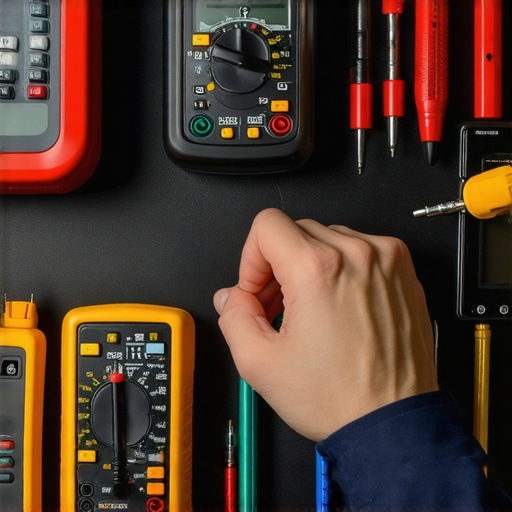
Maintaining your HVAC system over time requires the right tools to diagnose, repair, and optimize performance. I personally rely on a high-quality digital multimeter because it allows me to quickly check electrical components like relays, capacitors, and wiring connections. For example, testing a capacitor with a multimeter helps identify if it’s holding a charge or needs replacement, preventing unnecessary part swaps. Additionally, I use an infrared thermometer to measure duct temperatures and ensure airflow is within optimal ranges, which is crucial for energy efficiency and comfort. This tool helps me spot uneven cooling or heating that might indicate duct leaks or blockages.
When it comes to inspecting refrigerant lines, a manifold gauge set is indispensable. I prefer a manifold gauge with easy-to-read dials and a robust build, so I can accurately monitor pressure levels during recharge or leak detection. Proper pressure readings can reveal if your system is low on refrigerant or if there’s a blockage, saving you from costly repairs later. I also keep a set of insulated screwdrivers and pliers on hand — these help during filter replacements and component adjustments without risking electrical shocks or damaging sensitive parts.
For software, I recommend using diagnostic apps compatible with smart thermostats and HVAC controllers. These apps provide real-time system performance data, error codes, and maintenance reminders, which are invaluable for proactive upkeep. For example, integrating a smart thermostat with diagnostic capabilities allows me to monitor energy consumption patterns and detect early signs of system imbalance, which can extend the lifespan of your equipment.
How do I maintain my HVAC tools over time?
Regularly calibrate your multimeter and gauge set to ensure accurate readings. Keep tools clean and store them in a dry, organized toolbox to prevent corrosion and damage. Check batteries frequently in electronic devices and update any associated software or apps to benefit from the latest features and security patches. In the future, I predict that smart diagnostic tools with AI capabilities will become standard, enabling even more precise maintenance and early problem detection, reducing downtime and repair costs. Staying updated with industry innovations, such as those discussed in this article, can help you leverage new technology for longer system life.
To get started with better maintenance, I suggest trying out a professional-grade multimeter and setting a monthly schedule to check electrical components. Regular use and proper care of your tools will empower you to stay ahead of potential issues and keep your HVAC system performing at its best, saving you money and stress in the long run. Remember, a well-maintained system not only provides comfort but also ensures safety and energy efficiency, making your investment worthwhile.
< >
>
The Hardest Lesson I Learned About HVAC Repairs
One of my biggest mistakes was rushing into DIY repairs without fully understanding my system. I assumed a simple fix like replacing a filter would solve everything, but it often masked deeper issues. That experience taught me the importance of proper diagnosis and trusting professionals for complex problems. It’s a lightbulb moment that’s kept me cautious and informed ever since.
How I Discovered the Power of a Quality Toolbox
Investing in reliable tools transformed my approach to HVAC maintenance. My favorite is a high-quality digital multimeter, which helps me quickly check electrical components. An infrared thermometer has also been invaluable for spotting duct leaks or uneven cooling. These tools, combined with expert resources, make DIY repairs safer and more effective, saving me money and frustration.
The Most Unexpected Insight About HVAC Repair
I learned that system diagnostics are more nuanced than error codes. Sometimes, a blinking light indicates a deeper electrical issue rather than a simple fault. Using diagnostic apps and referencing trusted guides has helped me interpret signals accurately, preventing unnecessary replacements and ensuring safety. This understanding has been a game-changer in building confidence in my system’s health.
My Secret Weapon for Ongoing HVAC Confidence
Routine maintenance is key. Scheduling professional tune-ups and following a preventative checklist keeps my system running smoothly. Regular care extends the lifespan of my equipment and reduces emergency repairs. Upgrading to energy-efficient models has also boosted reliability, making me feel more secure about my home comfort. Staying proactive with maintenance tools and knowledge is the best strategy for peace of mind.
Where to Go from Here
If you’re ready to take control of your HVAC system, start with the basics—inspecting filters and thermostats—and gradually invest in quality tools and professional guidance. Remember, understanding your system’s signals and trusting experts when needed can save you money and stress. Your journey toward lasting home comfort begins with small, confident steps today.