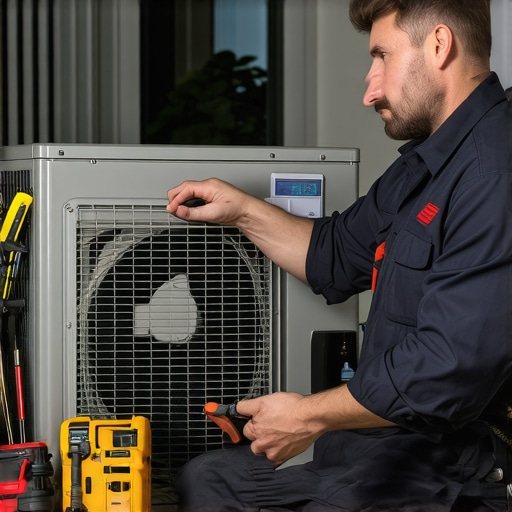
Ever had that frustrating moment when your air conditioning suddenly sputters to a halt during a heatwave, leaving you drenched in sweat and wondering what went wrong? I remember the first time I faced this nightmare—trust me, it was a wake-up call. My old HVAC system had been ticking along quietly, so I thought I knew everything about keeping my home comfortable. But one sweltering summer day, everything changed. That experience taught me a vital lesson: trusting just anyone with your HVAC needs can be a costly gamble. Today, I want to share how I turned things around with expert installation and repair strategies that actually rebuild trust and ensure reliable comfort for years to come.
Why Your HVAC System Deserves the Best Care
Your heating, ventilation, and air conditioning (HVAC) system is the backbone of your home’s comfort. When it works well, life is smooth—no unexpected breakdowns, no scorching or freezing spells. But if you cut corners or fall for quick fixes, you risk costly repairs, inefficient operation, and a total loss of trust in your system’s reliability. According to industry experts, many homeowners overlook the importance of professional HVAC installation and maintenance, which often leads to premature system failures. Making the right choice in HVAC services isn’t just about comfort; it’s about safeguarding your investment and your peace of mind. If you’ve ever felt overwhelmed or skeptical about who to trust for HVAC repairs, you’re not alone. I’ve been there, and I know how crucial it is to get it right from the start.
Have You Faced This Common HVAC Dilemma?
Many homeowners tell me they’ve experienced the sting of poor HVAC service—rushed repairs, hidden costs, or systems that break down just after a repair. I made a similar mistake early on, trusting a discount service that promised the world but delivered frustration. That’s why I now advocate for choosing reputable, expert providers that prioritize transparency and quality. For instance, the difference between a rushed fix and a thorough, professional approach can be found in how well the system performs afterward. Want to know how to avoid these pitfalls? Keep reading, because I’ll guide you through proven strategies for selecting top-tier HVAC professionals and ensuring lasting home comfort. If this sounds familiar, don’t worry—you’re about to discover how to rebuild trust in your HVAC system and enjoy peace of mind all year round. For comprehensive guidance, take a look at our ultimate guide to AC installation.
Choose Your HVAC Partner Carefully
When I needed a new air conditioning system, I remember rushing through online reviews and hiring the cheapest option I found. The result? An installation that took twice as long and led to frequent breakdowns. Since then, I learned to vet HVAC professionals thoroughly. Start by checking their licensing and certifications—these are your assurance of expertise. Ask for references or reviews from previous clients, ensuring they have a track record of quality work. Also, confirm that they offer transparent pricing without hidden fees. For a detailed checklist, visit our ultimate guide to AC installation to understand what to expect from a reputable provider.
Preparing for a Flawless Installation
Assess Your Space and Needs
Before scheduling installation, evaluate your home’s size and insulation. I once overlooked this and ended up with an undersized unit that struggled to cool my living room. To avoid this, measure your space accurately and consider your daily usage patterns. Professional installers will perform a load calculation—think of it as sizing a suit perfectly, not buying one-size-fits-all. This step ensures efficient operation and longevity of your system.
Clear the Area
Ensure the installation area is accessible. Remove furniture and obstacles around the unit’s placement zone. I once left clutter nearby, which delayed the process and caused accidental damage. A clean workspace speeds up installation and reduces risks.
Executing High-Quality Installation
Never cut corners during installation. I watched my technician meticulously check duct connections and refrigerant lines—these are the arteries of your HVAC system. Proper sealing prevents leaks that can cause expensive repairs later. Also, insist on using manufacturer-approved parts and refrigerants. This guarantees compatibility and efficiency. For expert tips on sealing and component selection, refer to AC installation secrets.
Post-Installation Checks and Maintenance
After setup, verify everything works smoothly. Turn on the system and listen for unusual noises—strange rattles or hissing could indicate issues. I once ignored a minor sound, which later led to compressor failure. Regular maintenance, like filter changes and system inspections, is vital. Schedule annual checkups with trusted professionals to prevent minor issues from snowballing. For ongoing care, see our preventative HVAC tips.
Addressing Repairs with Confidence
When repairs are needed, choose experts who diagnose accurately and explain their work transparently. I learned this the hard way after hiring a repair service that replaced parts unnecessarily. To avoid costly, unnecessary repairs, ask for a detailed estimate and understand the root cause. For trusted repair strategies and tips, visit reliable HVAC repair. Regular inspections and timely repairs not only extend your system’s lifespan but also maintain trust in your home’s climate control.
Many homeowners believe they have a good grasp of HVAC systems, but in reality, some of the most widespread misconceptions can lead to costly mistakes. Let’s dig deeper into the nuances that often get overlooked and distinguish fact from fiction in HVAC installation and repair.
Why settling for the cheapest option often backfires
Everyone says you should always go with the lowest bid, but in my experience, this is a dangerous trap. The cheapest service might save you money upfront but can compromise on quality, leading to inefficient operation or premature failure. Professional installation demands skilled technicians, proper equipment, and adherence to safety standards—elements that discount providers often neglect. For instance, using non-approved parts or improper refrigerants during AC installation can cause system failures and void warranties. To avoid this, vet your HVAC professionals thoroughly. Check their licensing, certifications, and reviews—these are your assurance of quality. For a comprehensive checklist, see our ultimate guide to AC installation.
Myth: Regular repairs are enough to keep your HVAC system running smoothly
Many believe that as long as repairs are done promptly, their system will stay reliable. The truth is, preventative maintenance is key. Relying solely on reactive repairs can lead to bigger problems down the line. Regular inspections, filter changes, and system tune-ups help catch issues early and extend the lifespan of your equipment. Skipping these steps often results in unexpected breakdowns—especially during peak seasons. For expert advice on maintaining your HVAC system proactively, check out preventative HVAC tips.
What advanced homeowners should ask about during installation
When it comes to high-end HVAC setups, understanding the nuances can make a difference. For example, load calculations are critical—they ensure your system is neither undersized nor oversized. An oversized furnace or AC unit will cycle on and off frequently, wasting energy and reducing comfort. Conversely, an undersized system struggles to heat or cool efficiently. Proper duct sealing and refrigerant charging are also often overlooked but vital for optimal performance. These advanced details often differentiate a good installation from a mediocre one. Want to learn more about these subtle points? Browse our AC installation secrets.
Have you ever fallen into this trap? Let me know in the comments.
How do I maintain my HVAC system over time?
Keeping your HVAC system in top shape requires more than just scheduled repairs; it involves proactive maintenance and the right tools. I personally rely on a few specialized instruments to ensure my heating and cooling systems stay efficient and reliable for years to come. One of my favorites is an infrared thermometer, which allows me to quickly check the temperature difference across refrigerant lines and identify potential issues before they escalate. This tool is invaluable during routine inspections, as it helps detect refrigerant leaks or poor heat exchange early, saving money and downtime.
Another essential item is a digital multimeter. I use this to verify electrical connections and ensure that components like thermostats, relays, and capacitors are functioning correctly. A multimeter is a small investment that pays off by helping me troubleshoot problems accurately without unnecessary guesswork. For systematic diagnostics, I also utilize a HVAC vacuum pump and gauge set, which are necessary when recharging refrigerants or sealing leaks. These tools give me confidence that the system is sealed and charged at optimal levels, preventing inefficient operation and premature wear.
Beyond hardware, software plays a critical role in modern HVAC maintenance. I recommend using diagnostic apps that can interface with smart thermostats and HVAC controllers. These apps provide real-time data, alerts for irregularities, and maintenance reminders, making it easier to stay ahead of potential issues. Additionally, keeping detailed logs with digital record-keeping helps track system performance over time, identifying patterns that may indicate underlying problems.
Regularly scheduled maintenance using these tools can extend your HVAC’s lifespan and improve energy efficiency. I personally set quarterly checkups, inspecting filters, coils, and electrical connections. During each session, I run tests with my multimeter and infrared thermometer, ensuring everything is operating within specifications. This routine not only catches small issues early but also ensures that my system performs at peak efficiency, reducing utility bills and avoiding costly repairs.
Looking ahead, I believe the trend in HVAC maintenance is moving toward smarter, connected systems. IoT devices and AI-driven diagnostics will soon enable even more precise monitoring and predictive maintenance, reducing the need for manual checks. Staying informed about these innovations can give homeowners like us a significant advantage in maintaining comfort and trust in our systems.
For homeowners eager to dive into advanced maintenance, I suggest starting with an infrared thermometer and a multimeter. These tools are easy to use and provide immediate insights into your system’s health. Remember, consistent maintenance and understanding your equipment empower you to troubleshoot minor issues before they become major headaches. If you want to learn more about how to optimize your HVAC system, visit our ultimate guide to AC installation and discover expert strategies for lasting performance.
The Hardest Lesson I Learned About HVAC Installation and Repairs
One of the most valuable lessons I discovered was the importance of trusting licensed professionals. Rushing into a cheap fix without checking credentials nearly cost me my system’s lifespan. Now, I always verify licensing and ask for references before hiring anyone for HVAC work.
The Truth About Maintenance Many Homeowners Overlook
I used to think repairs were enough to keep my HVAC system running smoothly. It wasn’t until I adopted a proactive maintenance routine—regular filter changes, system checks, and professional tune-ups—that I saw real savings and peace of mind. Preventative care truly extends the life of your equipment.
What I Wish I Knew About Load Calculations and System Sizing
Choosing the right size HVAC system is critical. I once installed an undersized unit, and it struggled to cool my home efficiently. Learning about load calculations made me realize that proper sizing ensures comfort and energy savings. Always ask your installer if they perform these essential assessments.
My Favorite Tools for Keeping My HVAC in Top Shape
I rely on an infrared thermometer and a digital multimeter to monitor my system’s health. These tools help me catch issues early, saving money and preventing breakdowns. Investing in proper diagnostic equipment is a game-changer for any homeowner wanting to maintain trust in their HVAC system.
Remember, Your HVAC System Is an Investment in Comfort
Every step I took—from vetting professionals to using the right tools—reinforced that trusting in expert advice and proactive maintenance pays off. If you want to learn more about ensuring lasting HVAC performance, check out our ultimate guide to AC installation. Building trust in your HVAC system is an ongoing journey, but the rewards are well worth it.
http://Sara%20Johnson
Reading this post really resonated with me because I’ve also experienced the frustration of unreliable HVAC systems during the peak of summer. It’s so true that cutting corners or trusting the cheapest service can backfire, often leading to costly repairs or system failure. I learned firsthand the importance of vetting professionals thoroughly—checking licenses, certifications, and reviews before hiring has saved me from many headaches. One thing I’ve found helpful is asking potential contractors about their load calculation process and whether they follow manufacturer guidelines for refrigerant and duct sealing. It’s interesting how small details during installation can make a huge difference in long-term reliability and efficiency. Has anyone here had a good experience with a specific HVAC brand or installer that truly prioritized quality? I’d love to hear recommendations for trustworthy providers or tips for maintaining system health without breaking the bank.
http://Daniel%20Carter
This post really hits home about the importance of choosing the right HVAC professional. I had a similar experience where I trusted a non-certified technician for a quick fix, only to face recurring problems and higher costs down the line. Since then, I always verify licensing and ask about their maintenance practices before proceeding. One thing that helped me was learning about load calculations to ensure my system was properly sized. Over the years, I’ve also realized that regular preventive maintenance—not just repairs—keeps everything running smoothly and prolongs the system’s lifespan. Tools like infrared thermometers and multimeters have made a big difference in my DIY checks, but I still rely on licensed pros for major work. I’m curious, what are some signs homeowners should watch for that indicate their HVAC system needs a professional inspection? Are there common mistakes people make when trying to troubleshoot on their own? I think having some basic knowledge can prevent expensive emergencies during the hottest months.
http://Emily%20Rogers
This post really hits the mark about how crucial it is to choose trusted, certified professionals for HVAC work. I remember ignoring this advice once, opting for a cheap service that promised quick fixes, only to face repeated breakdowns and higher costs later. Since then, I’ve learned to prioritize licensing, references, and transparency before scheduling any service. Especially during peak summer, I always advise friends and family to ask about load calculations and proper refrigerant handling—these details can make a big difference in system longevity and efficiency. I also started using simple diagnostic tools like a multimeter and infrared thermometer to catch small issues early. Have others found any specific brands or service providers that truly deliver reliable, high-quality work? I’m curious if there are local options that have consistently impressed you with professionalism and expertise.
http://Megan%20Foster
Reading this article really emphasizes how critical it is to trust qualified professionals for HVAC installation and repairs. I’ve been through the frustration of dealing with poorly installed systems that break down frequently and end up costing more in the long run. I completely agree that evaluating licensing, certifications, and reviews can make a big difference in avoiding cheap, unreliable service. One thing I noticed is that some of my neighbors have had great experiences with local companies that specialize in energy-efficient setups. It seems like doing a bit of research upfront really pays off. Have any of you had success with specific brands or contractors who went above and beyond in their service? I’m also curious about what red flags homeowners should watch for during the initial consultation that might indicate they’re dealing with an inexperienced or unqualified technician. Proactive care and proper system sizing have kept my system running smoothly and saved me money over time.