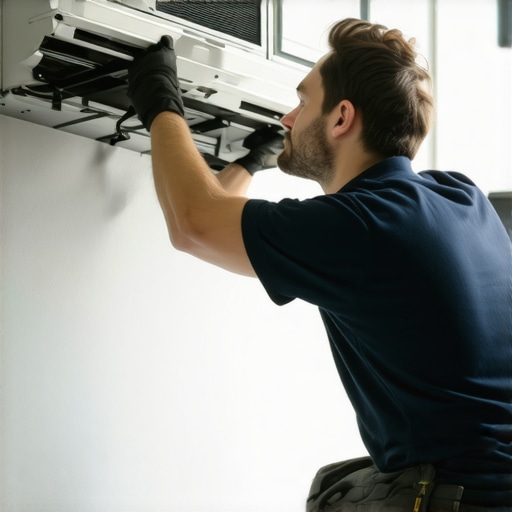
I’ll never forget the first time I tried to install my own AC unit. It was a hot summer weekend, and I thought, how hard could it be? I watched a few online tutorials, bought the tools, and dove right in. Turns out, I made a mistake early on—underestimating the complexity of proper installation. The result? A system that barely cooled my home and left me doubting my DIY skills. That experience was a real eye-opener and taught me that trusting the pros isn’t just about convenience—it’s about ensuring lasting comfort and peace of mind.
Why Skipping Professional Help Can Cost You More in the End
Many homeowners think they can save a few bucks by tackling HVAC installation themselves. But what they don’t realize is that improper setup can lead to inefficiency, higher energy bills, and even system failure. I learned this the hard way when my DIY approach resulted in frequent breakdowns and costly repairs. A little research revealed that mistakes like incorrect refrigerant levels or poor duct sealing are common pitfalls for the inexperienced. That’s why I now always recommend consulting HVAC installation experts. They have the skills and experience to get it right the first time, saving you money and hassle.
Is Professional HVAC Installation Worth the Extra Investment?
Initially, I was skeptical about the higher upfront cost. But I quickly realized that a professional install boosts system efficiency, extends lifespan, and reduces energy bills. It’s a small price for peace of mind and long-term savings. Plus, reputable HVAC pros know how to avoid common mistakes—like those I made—that can compromise your system’s performance. Want to see what pitfalls to avoid? Check out these insider secrets from the experts.
If you’ve ever faced the frustration of a poorly installed AC or worry about the risks involved, you’re not alone. Many homeowners underestimate the importance of expert installation until it’s too late. The good news is, with the right help, you can ensure your HVAC system runs smoothly for years to come. Ready to learn how to choose the best professionals and avoid costly mistakes? Stay tuned—I’ll guide you through the essential steps to make your next HVAC project a success.
Start with the Right Tools and Planning
Before diving into any HVAC project, gather all necessary tools—wrenches, screwdrivers, electrical testers—and create a detailed plan. I learned this the hard way when I rushed into installing a new thermostat without proper preparation, leading to wiring mistakes that took hours to fix. Always measure your space accurately and review manufacturer instructions to ensure compatibility and proper sizing of units.
Prepare the Site Carefully
Clear the installation area to avoid accidents and mishaps. For example, when I replaced my furnace, I removed furniture and debris to access the unit easily. Check for existing ductwork, electrical connections, and ventilation pathways. If you notice outdated or damaged components, plan to replace or repair them before beginning the main installation. This proactive step saves time and prevents future breakdowns.
Inspect and Upgrade Ductwork
Think of ductwork as the veins of your HVAC system. I once inherited a home with poorly sealed ducts, which caused significant energy loss. Use duct sealing tape or mastic to fix leaks and improve efficiency. Consider upgrading to insulated ducts if your space is prone to temperature fluctuations. Proper ductwork ensures even airflow and reduces strain on your system.
Follow Installation Steps Methodically
Start by mounting the outdoor condenser unit securely on a level pad, ensuring good airflow and clearance. When installing the indoor coil, make sure it’s properly aligned and connected to the refrigerant lines. I once accidentally crossed wires during this step, causing system failure. Double-check all connections against the manufacturer’s wiring diagram, and use a multimeter to verify electrical continuity.
Connect Electrical Components Carefully
Electrical connections are critical for safety and performance. Turn off power at the breaker before working. When I installed my system, I labeled each wire to prevent confusion. Use appropriate gauge wires and secure connections tightly to avoid shorts or loose contacts. If unsure, consult a licensed electrician or refer to this comprehensive guide.
Charge Refrigerant Accurately
Incorrect refrigerant levels can reduce efficiency or damage your system. When I learned this the hard way, my system struggled to cool properly because I added too much refrigerant. Use a digital manifold gauge to measure and add refrigerant precisely, following the manufacturer’s specifications. If you’re uncertain, it’s wise to seek professional help—see how experts handle refrigerant charging.
Test the System Thoroughly
Once everything is connected, turn on the system and observe its operation. Check for unusual noises, vibrations, or leaks. Use an infrared thermometer to verify even temperature distribution. During my first test run, I noticed uneven cooling, which led me to reposition a duct connection. Proper testing ensures your HVAC runs efficiently and reliably.
Perform Regular Maintenance to Extend Lifespan
After installation, schedule routine checks: filter replacements, coil cleaning, and system inspections. I set reminders to clean filters every three months, significantly reducing energy bills and preventing breakdowns. Regular maintenance is like a health check-up for your system, ensuring it performs optimally year-round. Dive into preventative tips to keep your system in top shape.
By following these concrete steps, you can confidently tackle HVAC installation or repairs, ensuring lasting comfort and peace of mind. Remember, when in doubt, consulting HVAC professionals can save you time, money, and stress in the long run. Your home’s climate control deserves nothing less.
Many homeowners enter the world of HVAC with a set of beliefs that, while widespread, often lead them astray. Let’s challenge some of these misconceptions and uncover the hidden nuances that can make or break your system’s performance. One of the biggest myths is that all HVAC systems are created equal and that the cheapest option is always the best deal. In reality, industry experts emphasize the importance of quality and proper sizing over just cost. Skimping on installation or choosing a system based solely on price can lead to inefficiency and costly repairs down the line.
Another common trap is assuming that DIY repairs or installations are straightforward. While some minor maintenance can be DIY, most HVAC repairs and installations require nuanced understanding and precise execution. For instance, incorrect refrigerant charging is a prime error that can damage your system. According to a blueprint for efficient repairs, professional handling of refrigerants is critical to avoid long-term damage and ensure optimal performance.
What about the advanced question: How can homeowners identify subtle signs that their HVAC system needs professional attention before major failures occur?
Proactively catching issues requires more than just listening for loud noises. Homeowners should pay attention to subtle signs like uneven cooling or heating, unexplained increases in energy bills, or frequent cycling. These can indicate duct leaks, refrigerant issues, or faulty components—problems that are often hidden behind the scenes. A professional inspection can reveal these hidden problems early, saving money and extending system lifespan. Remember, regular maintenance and prompt professional assessments are your best defenses against unexpected failures. Have you ever fallen into this trap? Let me know in the comments.
Finally, understanding the importance of proper system sizing and installation location is a nuanced detail many overlook. An improperly sized furnace or AC can lead to short cycling, uneven temperatures, and higher energy costs. Proper site assessment and expert sizing are vital—something you can learn more about here.
In essence, the hidden nuance is that HVAC performance relies heavily on precise, expert installation and maintenance practices. Trusting professionals who understand these subtleties ensures your system operates efficiently and reliably for years to come. Ready to avoid these pitfalls? Reach out to trusted experts and keep your home comfortable and energy-efficient!
Maintaining your HVAC system over time requires more than just routine check-ups; it involves investing in the right tools and understanding specific maintenance techniques to ensure longevity and optimal performance. In my experience, staying ahead with professional-grade equipment makes a significant difference in diagnosing issues early and preventing costly repairs. One tool I swear by is the digital manifold gauge set. Unlike basic pressure gauges, this device provides precise refrigerant pressure readings, which are crucial when charging or diagnosing leaks. I personally prefer models that connect via Bluetooth, allowing me to monitor readings remotely and record data for future reference, making troubleshooting faster and more accurate.
Another indispensable item is a high-quality thermal imaging camera. This tool helps identify heat loss, duct leaks, or insulation issues without invasive inspections. I use mine regularly during system tune-ups to spot trouble spots that might not be visible to the naked eye, saving time and ensuring thorough maintenance. Investing in a reliable HVAC repair toolkit tailored for professionals guarantees you’re equipped to handle most problems efficiently.
For software, I rely on HVAC-specific diagnostic apps that connect to smart sensors installed in the system. These apps provide real-time data on airflow, temperature, and system efficiency, helping me identify potential issues before they escalate. A trend I see heading toward is integrated IoT devices that continuously monitor your system’s health and notify you via smartphone alerts, simplifying ongoing maintenance.
How do I maintain HVAC systems over time?
Regular inspections are essential. I schedule seasonal check-ups that include coil cleaning, filter replacement, and duct sealing. Using tools like a vacuum pump for cleaning the evaporator and condenser coils ensures they operate at peak efficiency. Additionally, I recommend setting up a preventative maintenance schedule with professional help, which can extend your system’s lifespan and reduce unexpected breakdowns. Remember, proactive maintenance with the right tools helps catch issues early—saving you money and stress. Want to take your HVAC care to the next level? Try implementing a smart sensor system that continuously monitors your system’s performance, and schedule professional inspections based on the data collected. This approach not only keeps your system running smoothly but also ensures it remains energy-efficient for years to come.
The Hardest Lesson I Learned About AC installation, HVAC repair, furnace repair, heating service
One of the most impactful lessons I learned was that rushing into DIY HVAC projects often leads to overlooked details that can cost you dearly later. I once tried to install a new thermostat without proper preparation and paid the price with hours of troubleshooting. It taught me that patience and thorough planning are essential for lasting comfort.
3 Myths About AC installation, HVAC repair, furnace repair, heating service That Held Me Back
Believing that all HVAC systems are equal or that cheaper options are always better was a trap I fell into early on. Industry experts emphasize that quality and proper sizing trump cost savings. Skimping on professional installation often results in inefficiency and higher bills, which I experienced firsthand when my system struggled to keep up during summer.
What Experts Won’t Tell You About AC installation, HVAC repair, furnace repair, heating service
Most professionals handle refrigerant charging with precision, avoiding costly mistakes that homeowners might make. Learning this the hard way, I realized that trusting expert handling of refrigerants is crucial for system longevity. Check out this guide to understand how professionals approach these critical tasks.
How to Spot Subtle Signs Your HVAC Needs Professional Attention
Pay attention to uneven cooling, increased energy bills, or frequent cycling. These signs often hide behind the scenes but can indicate duct leaks or refrigerant issues. Early professional inspection can save you from major breakdowns, as I learned when neglecting these signs led to costly repairs. Regular check-ups with trusted experts help keep systems running smoothly.
My Essential Toolkit for HVAC Maintenance
Tools like a digital manifold gauge set and thermal imaging camera have transformed my maintenance approach. They allow me to diagnose problems early and perform precise repairs. Investing in these tools, along with HVAC-specific diagnostic apps, has made me more confident in maintaining my system. For ongoing care, consider preventative maintenance tips from trusted sources.
Your Turn to Try
Understanding the nuances of HVAC installation and maintenance can seem daunting, but with the right knowledge and professional help, you can ensure your home stays comfortable and efficient for years. Don’t wait for a breakdown—be proactive in caring for your system and trust experienced professionals when needed. Your home’s climate control deserves the best.
Have you ever struggled with identifying when to call in an expert or tried a DIY fix that went wrong? Let me know below, and share your experiences or questions about HVAC care!