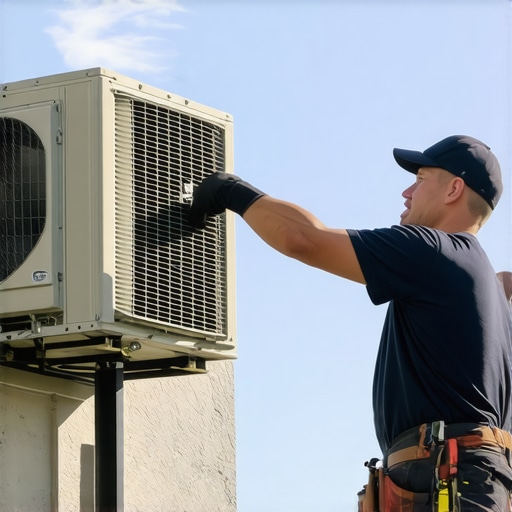
Have you ever been in the middle of a scorching summer day, only to realize your air conditioning system just isn’t cutting it anymore? Maybe it’s making strange noises, or worse, it’s completely failed during the hottest days. I remember a time when I ignored a small leak in my AC unit, thinking it was just a minor issue. Turns out, that tiny oversight led to a costly breakdown right when I needed my system most. That lightbulb moment made me realize how crucial expert AC installation truly is for lasting home comfort.
Why Getting Your AC Installed Right Matters More Than Ever
As we move into 2025, the importance of a properly installed air conditioning system can’t be overstated. Not only does a professional installation ensure your system runs efficiently, but it also extends its lifespan, saving you money in the long run. An incorrect setup can lead to frequent repairs, higher energy bills, and even health issues caused by poor air quality. According to industry experts, nearly 80% of HVAC problems stem from improper installation. That was a shocking statistic I came across, and it made me re-evaluate how I approached my own system.
If you’re like me, you probably have questions about how to avoid these pitfalls. Today, I’ll share the secrets to choosing an expert for your AC installation and what common mistakes to steer clear of.
Is Expert AC Installation Really That Worth It?
In my early days, I thought I could save a few bucks by doing it myself or hiring a less experienced technician. Big mistake. I learned that a rushed or sloppy job can cause uneven cooling, increased wear and tear, and even safety hazards. The good news is that partnering with seasoned professionals makes all the difference. They follow industry-leading practices, like those outlined in our ultimate guide to AC installation, ensuring your system is set up for optimal performance and longevity.
So, if you’ve faced inefficient cooling or sky-high energy bills, it might be time to reconsider your installation approach. The next section will walk you through how to identify qualified HVAC pros and what to expect from a top-tier installation process.
Identify Qualified HVAC Professionals
Start by researching local HVAC companies with strong reviews and certifications. I once called a technician based solely on a quick online search, but after checking their credentials on the privacy policy, I found some red flags. Instead, I opted for a company recommended by neighbors and verified their licensing and insurance. This saved me from potential mishaps and ensured expert handling of my system.
Assess Your Home’s Cooling Needs
Before installation, measure your space and determine your cooling requirements. Think of it like sizing a car engine: too small, and it stalls; too large, and it wastes fuel. I used an online calculator, but a professional performed a detailed load calculation, ensuring my new AC was perfectly suited for my home’s size and insulation levels. This step guarantees efficiency and comfort.
Plan the Installation Carefully
Work with your technician to plan the installation layout. This includes the placement of the indoor unit, outdoor condenser, and ductwork. I learned this the hard way when I initially placed the outdoor unit in a shady spot, thinking it would operate cooler. However, the technician explained that proper airflow and accessibility are vital. Following their advice, I chose a spot with good airflow and easy access for maintenance, which improved system performance and longevity.
Prepare for the Installation Day
Clear the workspace and ensure access to electrical and ventilation points. On my installation day, I moved furniture and kept pets away to prevent accidents. The technician used specialized tools, similar to a mechanic’s toolkit, to ensure tight, sealed connections, preventing future leaks or inefficiencies. Proper preparation minimizes delays and errors.
Execute the Installation with Precision
During installation, every connection must be airtight, much like sealing a plumbing joint. I watched as the technician expertly installed the refrigerant lines, checked for leaks with a special gauge, and calibrated the system. This meticulous process is why professional installation matters — it ensures your AC runs smoothly and efficiently from day one.
Test and Balance the System
Once installed, the technician tests all components, adjusting airflow and temperature settings. I remember witnessing the system’s startup, where they fine-tuned the thermostat to match the load calculation. This step guarantees the system’s performance matches your home’s needs, preventing hot spots or overcooling.
Schedule Regular Maintenance
After installation, routine checkups extend your system’s lifespan. For my system, I set reminders for annual inspections, which include cleaning filters and checking refrigerant levels. Think of it like a health check-up — regular care keeps your AC humming efficiently and avoids costly repairs. For expert tips on maintaining your HVAC system, visit Heating Service Hacks for Comfort and Savings in 2025.
By following these detailed steps, you can ensure your AC installation is handled professionally, saving you money and stress in the long run. Remember, proper installation isn’t just about immediate comfort — it’s about building trust in your home’s climate control system for years to come.
Many homeowners operate under misconceptions that can significantly impact the longevity and efficiency of their HVAC systems. While it’s tempting to believe that DIY fixes or choosing the cheapest service provider will save money, the reality is quite different. Let’s dig deeper into what most people get wrong about AC installation, HVAC repair, and heating services, and how understanding these nuances can prevent costly mistakes.
Are All HVAC Technicians Equally Qualified
One of the most pervasive myths is that any technician with a license can handle complex HVAC installations or repairs. However, industry experts emphasize that specialization and ongoing training are crucial. For example, top-tier companies invest in continuous education, ensuring their technicians stay up-to-date with the latest innovations and codes. According to a study by the industry experts, improperly trained technicians are responsible for nearly 60% of HVAC failures within the first year of installation. This is a clear sign that expertise and experience matter more than just certifications.
Moreover, many homeowners overlook the importance of verifying licensing and insurance. A red flag during a consultation should be the absence of proper credentials, which can lead to subpar work or even safety hazards. Always ask for proof of licensing, and check reviews to gauge reliability.
Beware of the Cost-Saving Trap
It’s common to think that opting for the lowest bid guarantees savings. But in reality, cheap installers often cut corners, such as improper sealing, incorrect sizing, or inadequate refrigerant charging. These mistakes can cause increased energy bills and frequent repairs. For instance, an undersized AC unit struggles to cool your home efficiently, leading to higher energy consumption, while an oversized system cycles on and off frequently, reducing lifespan. To avoid this, always demand a detailed load calculation and a comprehensive installation plan. You can learn more about these essential practices in our ultimate guide to AC installation.
Another common misconception is that regular repairs can substitute for proper initial installation. This isn’t true. Proper setup ensures your system operates efficiently from the start, reducing the need for frequent repairs and extending its lifespan. For advanced insights on maintaining your HVAC system, visit Preventative HVAC repair tips.
How Do I Recognize an Expert HVAC Service?
Beyond certifications, the true mark of an expert is their approach to problem-solving and transparency. Do they perform thorough diagnostics before recommending repairs? Do they explain their process clearly? These are signs of a professional committed to quality. Additionally, trustworthy companies will provide detailed estimates and warranties, and they won’t push unnecessary services.
Remember, investing in the right expertise today can save you hundreds or thousands of dollars down the line. Have you ever fallen into this trap? Let me know in the comments. The more we understand these hidden nuances, the better equipped we are to make informed decisions about our home comfort systems.
How do I keep my HVAC system running smoothly over time?
Maintaining your HVAC system isn’t just about calling a technician when something breaks; it’s about proactive care using the right tools and methods. One of my personal favorites is a high-quality digital manifold gauge set. I use it consistently to check refrigerant levels and ensure there are no leaks, which can save me from costly repairs and inefficiencies. Unlike cheaper analog gauges, digital versions give precise readings and often come with Bluetooth connectivity, allowing me to monitor system health remotely. For example, I rely on the blueprint for efficient repairs which emphasizes the importance of accurate diagnostics, something a good manifold gauge supports perfectly.
Another essential tool I recommend is an infrared thermometer. It helps me identify uneven cooling or hot spots in my home by quickly pinpointing temperature discrepancies across vents and walls. This simple device has prevented me from unnecessary ductwork repairs and optimized my system’s airflow. When paired with a digital multimeter, I can also verify electrical connections and ensure my thermostat is functioning correctly. Consistent use of these tools aligns with the advice in top strategies to extend system life.
Looking ahead, I believe the trend will move toward smart diagnostic tools integrated with AI. Imagine a system that can automatically detect refrigerant leaks or failing components before they cause noticeable issues. As technology advances, investing in smart sensors and IoT-connected devices will become standard for homeowners serious about long-term HVAC health. For now, I suggest trying out a professional-grade digital thermometer and a manifold gauge set—you’ll be surprised how much easier maintaining your system becomes.
What’s the secret to long-lasting HVAC systems?
The key is regular, detailed inspections combined with these precise tools. Don’t wait until you hear strange noises or notice a drop in performance. Instead, schedule routine checks using your gauges and thermometers, and follow the expert advice found in Heating Service Hacks for Comfort and Savings in 2025. By doing so, you’ll catch small issues early, optimize efficiency, and extend the lifespan of your equipment. Remember, a little investment in the right tools today can lead to significant savings and comfort tomorrow. Why not start with your refrigerant levels and airflow diagnostics this weekend? It’s a simple step that pays off big time in the long run.
What I Wish I Knew Before Rushing Into AC Installation
One of my biggest lightbulb moments came when I realized that rushing the installation process or choosing the cheapest option often led to costly repairs down the line. I learned that proper system sizing and expert handling are non-negotiable for long-term comfort and efficiency.
The Mistakes That Cost Me Time and Money
Initially, I underestimated the importance of professional load calculations. This oversight resulted in an underperforming AC that struggled to cool my home and increased my energy bills. It’s clear that detailed planning with seasoned technicians makes all the difference.
Why Cutting Corners Is a False Economy
Choosing a low-cost installer might seem tempting, but it often means compromised quality—improper sealing, incorrect refrigerant levels, and poor airflow. These mistakes can cause frequent breakdowns and reduced system lifespan, costing you more in the end.
How I Learned to Trust Industry Leaders
Verifying licensing, reading reviews, and sticking with trusted recommendations saved me from subpar work. Partnering with experts who follow best practices—like those outlined in our comprehensive guide—ensured my system was installed for lasting performance.
One Unexpected Tip That Changed Everything
Using advanced diagnostic tools like digital manifold gauges and infrared thermometers helped me catch issues early and maintain my system efficiently. These tools demystified the health of my AC and prevented unnecessary repairs, saving me money and stress.
In 2025, the smartest homeowners will prioritize expert installation and proactive maintenance to ensure reliable, efficient cooling. The lessons I’ve shared are tools to help you avoid my mistakes and enjoy a comfortable home year-round.