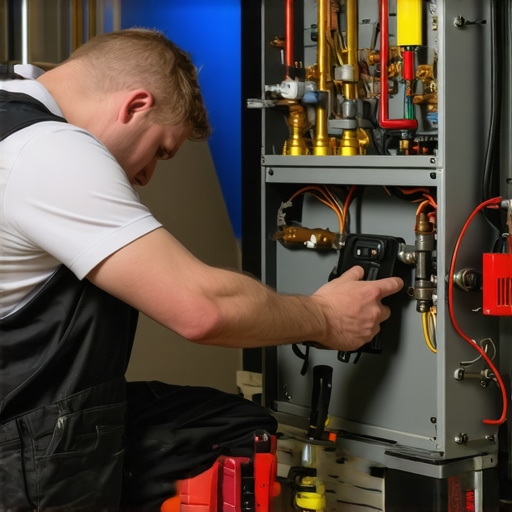
It was a freezing January evening when I heard that dreaded roar from my furnace — a sound that sent a chill down my spine louder than the cold air seeping through my windows. For a moment, I froze, realizing I’d ignored what could have been simple signs that my heating system was struggling. That lightbulb moment made me realize: trusting in last-minute repairs isn’t just risky; it’s a gamble with your comfort and wallet.
Why Proper Heating Repairs Can Save Your Comfort and Wallet
As someone who’s been in the trenches of HVAC mishaps, I can tell you that a well-maintained heating system isn’t just about avoiding cold nights. It’s about *confidence*—the kind that comes from knowing your home will stay warm when you need it most. Unfortunately, many homeowners fall into the trap of ignoring the early warning signs, hoping they’ll go away or that DIY fixes will suffice.
But the truth is, neglecting these signs can lead to costly emergencies and even damage to your system. Regular repairs and smart troubleshooting can extend your system’s lifespan, save you money on energy bills, and ensure your home stays cozy, no matter how brutal the winter gets. In fact, a recent industry report highlights that proper maintenance can reduce repair costs by up to 30% over the lifespan of your HVAC system [source](https://heatprosservices.com/top-hvac-repair-strategies-to-extend-your-systems-life).
Are you facing persistent cold spots or strange noises from your furnace? If so, those are signs you shouldn’t ignore. Trust me, catching issues early has saved me from some of the worst winter frights, and it can do the same for you.
So, how do you identify when your heating system needs professional attention? Let’s explore the key indicators and start rebuilding your confidence in your home’s warmth.
Inspect the Thermostat and Settings
Start by checking your thermostat—ensure it’s set to the desired temperature and in the heating mode. Sometimes, the issue isn’t with the furnace but with user settings. I once spent hours troubleshooting when I forgot to switch my thermostat from cooling to heating during a cold snap, which yielded nothing. Simple adjustment saved me a costly call.
Examine the Air Filters
Clogged filters restrict airflow, making your furnace work harder. Remove the filter and inspect for dirt or dust buildup. If dirty, replace it immediately. I learned this the hard way during a winter when poor airflow caused the system to shut down, but replacing filters got it running again smoothly. Think of it as cleaning the airways for your furnace—like clearing your own nasal passages for better breathing.
Check for Power and Circuit Breakers
Ensure your furnace’s power switch is on and circuits are intact. A tripped breaker can silently disable your system. I once ignored a tripped breaker, assuming the furnace was broken, only to discover the issue was a blown fuse. Resetting the breaker often resumes operations—think of it as pressing the reset button on a frozen computer.
Inspect the Blower Motor and Belt
Look for signs of wear or damage on the blower belt and motor. If the belt is frayed or loose, it can hinder airflow. I noticed a squealing noise and found the belt slipping—replacing it restored the airflow and comfort. Think of the blower like a bicycle chain—without proper tension, it can’t spin effectively.
Tackle the Igniter or Pilot Light
If your furnace has a pilot light, verify it’s lit. A yellow or weak flame indicates problems. For electronic igniters, listen for clicking sounds when trying to start. I once saw the pilot light extinguish after a power outage; relighting it made my heating system operational again. Consider this the spark that ignites your home’s warmth—like lighting a stove burner.
Identify Unusual Noises or Vibrations
Strange sounds often signal mechanical issues. Rattling may suggest loose parts; banging could point to airflow obstructions. When I heard banging from my furnace, I checked the blower assembly, found a loose screw, and tightened it—resolving the noise. Think of it as tuning a musical instrument; minor adjustments restore harmony.
Assess Ventilation and Exhaust Flues
Ensure chimneys and vents are clear of obstructions. Blockages can cause dangerous fumes to build up. I cleared a bird’s nest blocking my chimney, which prevented dangerous gases from escaping. Maintaining proper ventilation is like ensuring air can flow freely through your home’s system—safety first.
Utilize Troubleshooting Guides and Resources
Leverage online resources like furnace repair guides for step-by-step instructions. I once followed a detailed tutorial to replace a faulty thermostat, saving on service calls. Think of these guides as your DIY toolkit—empowering you to handle minor issues confidently.
Know When to Call Professionals
Not all problems are DIY fixable. If troubleshooting doesn’t resolve the issue or if you notice gas leaks, strange odors, or persistent trouble, contact a licensed technician. I learned to recognize the signs of urgent repairs, which prevented potential hazards and costly damages. Consider this the final safeguard—like calling a doctor when symptoms worsen.
Many homeowners operate under common myths about HVAC repair that can lead to costly mistakes. One prevalent misconception is believing that all repairs are straightforward and that DIY fixes are sufficient for complex system issues. In reality, HVAC systems involve intricate components requiring specialized knowledge. For example, attempting to fix refrigerant leaks without proper training can worsen the problem or cause health hazards, since handling refrigerants demands certified expertise. Industry studies show that improper repairs or neglecting nuanced system diagnostics often result in short-term fixes that fail long-term, emphasizing the importance of trusting professionals for complex issues. Additionally, many assume that regular maintenance alone prevents major failures, but oversights like ignoring subtle signs of component wear—such as diminishing airflow or inconsistent heating—can have serious consequences. Advanced diagnostics, like analyzing airflow patterns or refrigerant charge levels, are essential for accurate assessments. Be cautious of the ‘one-size-fits-all’ mentality; each HVAC system has unique nuances, and generic solutions can overlook specific causes of problems. For instance, a furnace’s unusual noise might stem from motor imbalance rather than a simple belt issue, necessitating expert inspection. To avoid these pitfalls, stay informed about system specifics and seek reputable professionals, as detailed in guides like choosing the right HVAC fixes. Remember, rushing to repair or replace components without understanding the nuanced workings of your system can lead to repeated failures and increased costs. So, next time you’re tempted to troubleshoot DIY, ask yourself: am I considering all system nuances, or just applying a band-aid? For deeper insights into effective repair practices, check out how to rebuild trust with lasting solutions. Have you ever fallen into this trap? Let me know in the comments.
Invest in Precise Diagnostic Equipment for Reliable HVAC Care
Personally, I rely on a digital manometer to measure gas pressure in furnaces, ensuring safe and efficient operation. This tool provides immediate readings, allowing me to identify pressure drops or irregularities that might indicate a leak or adjustment needed. Using a digital manometer helps prevent costly breakdowns and extends system lifespan, aligning with the recommendations in top HVAC repair strategies.
Regularly Update Your Diagnostic Software for Optimal Results
For those who prefer tech-savvy approaches, I suggest investing in reputable HVAC diagnostic software compatible with your system. Regular updates ensure you have access to the latest troubleshooting protocols, which can be crucial as equipment becomes more advanced. Staying current with software updates can help catch emerging issues early, saving time and money. In my experience, software like HVAC Duct and ServiceTitan automates much of the diagnostic process, making maintenance more efficient.
Maintain Clean and Accessible Tools for Speedy Repairs
Keeping your toolkit organized and clean is essential. I keep a dedicated toolbox with labeled compartments for screwdrivers, pliers, multimeters, and cleaning supplies. This habit minimizes downtime during repairs and prevents missing crucial components when urgency strikes. Organized tools empower even a DIY enthusiast to troubleshoot faster, but remember—complex issues are best handled by professionals. Regularly inspecting and replacing worn-out tools can improve your repair quality and safety.
Develop a Routine for System Inspection and Filter Replacement
I schedule biannual inspections, aligning with the changing seasons, to assess your system’s health. Replacing filters every three months prevents dirt buildup, maintaining airflow and efficiency. Additionally, I visually inspect ductwork and vents for obstructions or damage. These small but consistent steps help ensure your HVAC system operates smoothly year-round, reducing the likelihood of emergency calls. For detailed maintenance routines, see preventive repair tips.
Predicting a Future of Smarter, Self-Maintaining Systems
Looking ahead, I believe smart HVAC systems equipped with IoT sensors will revolutionize maintenance. These systems will notify homeowners of issues before symptoms become severe, integrating predictive analytics. The trend points toward automation, where your system essentially manages itself, alerting professionals only when human intervention is truly necessary. Embracing these innovations now can prepare you to maintain peak comfort with less effort, and I recommend exploring the latest in AC installation and future tech.
How do I keep my HVAC system performing optimally over time?
The key lies in consistent maintenance, using precise diagnostic tools, and staying informed about new tech developments. Regular inspections, timely filter replacements, and upgrading to smart systems can dramatically extend equipment lifespan and reduce costly repairs. Start by investing in quality tools like digital manometers and diagnostic software—they are invaluable for early problem detection. For a comprehensive plan tailored to your home, consider reviewing strategies to prolong your HVAC’s life. Don’t wait for breakdowns—proactive maintenance today ensures comfort and savings tomorrow. Try scheduling your next biannual check-up and see how a little effort now can pay off big later.
The Hardest Lesson I Learned About HVAC Repair, Furnace Repair, AC Installation, and Heating Service
Early in my journey, I believed that minor issues could be easily fixed with a quick DIY patch. It wasn’t until I faced a complete system failure during the dead of winter that I realized the importance of trusting professionals for intricate repairs—sometimes, the hard lesson is learning that expertise saves you money and endless frustration in the long run.
How Overconfidence Can Sabotage Your Home Comfort
I used to think regular maintenance was enough and overlooked subtle signs of deterioration. Ignoring these small signals often led me to expensive emergency repairs. The truth is, staying proactive and seeking expert diagnostics—like using the right tools—can prevent breakdowns and extend your HVAC system’s life. Realizing that timely professional intervention beats DIY shortcuts every time was a game-changer.
Learning to Read Between the Lines of Your System’s Symptoms
Strange noises, uneven heating, or spikes in energy bills aren’t just minor inconveniences—they’re the system’s way of whispering that something’s off. My turning point came when I finally consulted trusted guides and recognized these signs, which led me to prevent costly failures. It’s about developing an eye (or ear) for system health that only comes with experience and reputable resources.
My Top Resources That Changed My Approach
- Heat Pros’ Top HVAC Repair Strategies: As someone who relies on proper diagnostics, this resource taught me how to identify issues early and trust the right tech for repairs.
- The Ultimate Guide to AC Installation: It offered insights into longevity and efficiency, guiding me to choose better solutions for my home.
- Choosing the Right HVAC Fixes: This helped me understand that not all problems are DIY-worthy, encouraging me to seek professional help when needed.
Your Next Step Towards Hassle-Free Comfort
The future of HVAC looks brighter with smarter, self-monitoring systems poised to make maintenance even easier. Embracing these innovations now, combined with lessons learned from real-world experience, empowers you to stay ahead of costly repairs and enjoy consistent comfort. Remember, investing in knowledge and quality tools today creates a foundation of confidence for tomorrow. Ready to take control of your home’s warmth? Feel free to share your experiences or ask questions below—your journey to smarter HVAC care begins now!
,
http://Jane%20Elizabeth%20Carter
Reading this post really hit home for me because I used to ignore the early signs of HVAC trouble, thinking I could DIY my way through minor issues. However, I learned the hard way that neglecting small problems, like strange noises or uneven heating, often leads to costly repairs or system failures during the coldest nights. Since then, I’ve started scheduling regular inspections and replacing filters promptly, which has dramatically improved my system’s efficiency and reliability. I especially appreciate the emphasis on professional diagnostics and the importance of trusting experts for complex repairs—it’s a lesson I wish I had embraced sooner.
I’m curious, how many other homeowners here have upgraded to smart HVAC systems or IoT-enabled thermostats? Do you find that these tech solutions genuinely help in catching issues early and reducing emergency calls? It seems like a smart investment, especially for those of us wanting peace of mind and better control over home comfort. I’ve been considering moving in that direction and would love to hear about real-world experiences and recommendations.