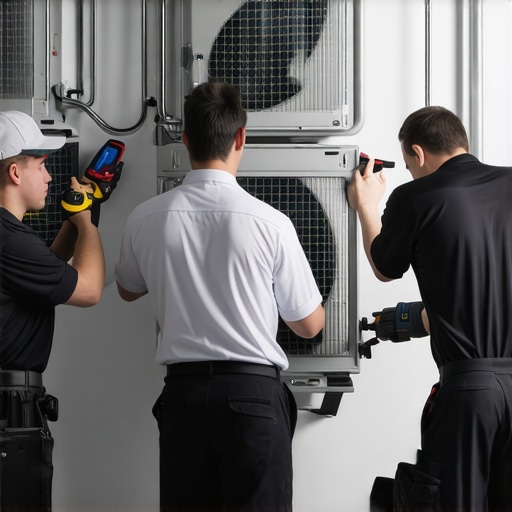
It was a bitterly cold winter night when I realized my furnace had stopped working. The house suddenly felt like an icebox, and I was staring at the thermostat, helpless, wondering how long I could survive without proper heating. That lightbulb moment—when I understood that my comfort depended on more than just a flick of a switch—has stayed with me ever since. If you’ve ever faced a similar crisis, you know how stressful and downright scary it can be. But here’s the good news: you don’t have to suffer in silence or panic every time your HVAC system acts up.
Relatable Heating Nightmares and How to Avoid Them
Is HVAC Repair Overhyped or Actually Worth the Investment?
Many homeowners hesitate to call in the pros, thinking it’s just an unnecessary expense. I learned early on that the real mistake lies in delaying repairs, which can turn minor issues into costly disasters. I used to try fixing things myself, digging through online guides and trial-and-error. Big mistake. I found out that poor DIY attempts often void warranties and lead to recurring problems. Instead, trusting experienced HVAC repair experts—like those discussed in the [furnace repair myths article](https://heatprosservices.com/furnace-repair-myths-debunked-by-industry-experts)—can save you money and peace of mind.
Getting professional help isn’t just about fixing a broken heater; it’s about restoring your home’s comfort reliably. From routine maintenance to emergency repairs, specialists have the tools and knowledge to ensure your system runs smoothly during those freezing months. After experiencing that cold night I mentioned, I committed to understanding how to keep my system optimized, which led me to useful tips and strategies shared in trusted guides like [effective HVAC repairs](https://heatprosservices.com/efficient-hvac-repairs-the-blueprint-for-cooler-summers-and-warmer-winters). If you’ve ever faced the unsettling thought of waking up to a freezing home, I want you to know that solutions are within reach—sometimes just a phone call away.
Considering how much a warm, cozy home matters, it’s worth questioning: Are you truly prepared for those unexpected HVAC failures? Today, I’ll share practical steps you can take—grounded in experience and backed by industry insights—to restore comfort fast and confidently. Stay tuned, because together, we’ll turn that chilly night into a mere distant memory.
Diagnose Before You Dive In
Start by inspecting your thermostat—make sure it’s set to ‘heat’ and at a temperature higher than your current room temp. If it’s battery-powered, replace the batteries to eliminate simple power issues. Next, check your supply of electrical power—ensure the circuit breaker hasn’t tripped by flipping it off and on again. This initial diagnosis can save you time and directs your focus on what might truly need fixing.
Reset and Initial Troubleshooting
Many furnace issues resolve with a simple reset. Locate the reset button—often found on the furnace’s control board—and hold it for about 30 seconds. If your system doesn’t have a reset button, switch off the power at the breaker, wait five minutes, then turn it back on. This step can clear minor glitches that cause your furnace to behave erratically, much like rebooting a sluggish computer.
Assessing Airflow and Filters
Clogged filters choke the airflow, making it difficult for your furnace to function efficiently. Turn off your system and remove the filter—examine it. If it’s dirty or clogged with dust, replace it with a new one. Keep in mind that a clean filter is vital for optimal performance and energy efficiency, preventing small problems from escalating. Regular replacement of filters can extend your furnace’s lifespan and save on costly repairs.
Inspecting the Blower Motor and Fan
The blower motor circulates warm air through your home. If your house isn’t warming up or airflow feels weak, the motor might be jammed or malfunctioning. Carefully observe the fan—if it’s not turning or makes unusual noises, it could be seized or worn out. Lubricate moving parts if accessible, but often, replacing a faulty motor requires professional help. Remember, attempting complex repairs without proper tools can do more harm than good.
Checking for Furnace Blockages or Leaks
Blockages or leaks within the system impair safe operation. Look for any signs of gas smell, soot, or corrosion—these indicate serious issues. If you spot leaks or smell gas, evacuate immediately and call a professional. For safety, never attempt to repair gas components yourself. Addressing these problems promptly ensures your system runs safely and efficiently.
Scheduling Professional Service
For persistent issues or complex problems, the best move is to contact seasoned HVAC repair specialists. Experienced technicians have the right tools and knowledge to troubleshoot deeper issues, like faulty ignitors, heat exchangers, or control boards. Engaging a professional also helps you avoid expensive mistakes, as misdiagnosis can lead to more damage. For trusted guidance on choosing the right fixes, review [how to identify when furnace repair is urgent](https://heatprosservices.com/how-to-identify-when-furnace-repair-is-urgent-and-why).
Preventative Measures to Keep Systems Running Smoothly
Beyond repairs, regular maintenance is your best defense. Schedule annual tune-ups, replace filters every 1-3 months, and keep vents clear of debris. Consider installing smart thermostats to help monitor and optimize energy use. These proactive steps act like a regular health check for your HVAC, preventing a small issue from snowballing into a major failure. Learn more about [preventative HVAC repair tips](https://heatprosservices.com/preventative-hvac-repair-tips-for-year-round-efficiency) to keep your home cozy all year round.
Many homeowners approach furnace repairs and AC installations with misconceptions that can lead to costly mistakes. Contrary to popular belief, not all repairs are equally urgent, and understanding the subtle nuances can drastically improve your system’s longevity and efficiency. For instance, a common myth is that replacing components like thermostats or filters will always resolve issues—while these are often part of the solution, deeper problems like duct leaks or outdated systems require professional assessment. Overestimating DIY capabilities can cause more harm than good, especially if you ignore signs of system inefficiency or safety hazards, such as gas leaks or carbon monoxide presence, which demand expert intervention.
How can homeowners accurately differentiate between minor issues and urgent repairs that need professional attention?
This question is vital because misjudging the severity of HVAC problems can lead to catastrophic failures or compromised safety. Experts suggest inspecting symptoms carefully: persistent cycling, unusual noises, or unexplained increases in energy bills often indicate deeper issues. Regular maintenance helps catch these nuances early, but it’s equally important to understand the system’s limitations. For example, attempting to recalibrate or repair on your own without proper training can void warranties or cause further damage. Relying on trusted sources and professional diagnostics ensures you won’t fall prey to costly mistakes. Recognizing that HVAC systems are complex networks, with interactions between electrical, mechanical, and environmental factors, is critical for making informed decisions. Furthermore, advances in heating service technologies—like smart thermostats and zone controls—offer smarter solutions, but they also demand sophisticated knowledge to implement correctly. Consult reputable sources, such as industry experts and proven guides, to educate yourself beyond the surface myths. Remember, neglecting the intricacies of your system often results in recurring issues and higher expenses over time. To strengthen your home’s comfort and safety, consider scheduling regular check-ups and educating yourself about the real capabilities and limitations of your HVAC units. Want to learn more about avoiding these pitfalls? Dive into our detailed guides or contact trusted professionals for advice. Have you ever fallen into this trap? Let me know in the comments.Maintaining your heating, ventilation, and air conditioning (HVAC) system is essential for ensuring long-term performance and comfort. Over the years, I’ve refined my toolkit to include specialized equipment and software that make diagnosing and preserving these complex systems more efficient and precise. One of my most valued tools is the **manifold gauge set**, which allows me to measure refrigerant pressures accurately during repairs or recharges. Unlike generic gauges, a high-quality manifold set with color-coded hoses and digital readouts reduces the risk of misreading, ensuring your system is charged correctly—crucial for energy efficiency and longevity. I personally prefer models that connect via quick couplers, saving time and minimizing refrigerant loss.
For electrical diagnostics, I rely heavily on a **digital multimeter** with True RMS certification. This tool can detect voltage drops, continuity issues, and faulty components with high accuracy. My go-to is the Fluke 115,which has proven reliable over countless troubleshooting sessions. It’s designed for HVAC professionals but offers user-friendly features that even serious DIYers can learn quickly. To keep track of maintenance schedules and system health, I utilize **HVAC monitoring software**, such as the intuitive HVAC-R app, which integrates with smart thermostats and sensors to provide real-time data on system performance. This proactive approach allows me to identify potential problems before they escalate.
Looking ahead, the adoption of **predictive maintenance tools** powered by IoT technology promises to revolutionize how we care for HVAC systems. These devices forecast component failures based on sensor data, enabling preemptive repairs that extend equipment lifespan and reduce costs. As these innovations mature, I believe we’ll see even more integration of AI-driven diagnostics that can streamline troubleshooting, offering homeowners faster, more reliable service.
So, how do I maintain my HVAC system over time? It starts with regular inspections using these precise tools. Check refrigerant levels with the manifold gauge set—ensuring proper charge is vital, especially before peak seasons. Conduct safety tests with the multimeter to verify electrical connections are sound, and review system data through monitoring software to catch subtle inefficiencies. These practices, combined with scheduled professional tune-ups, keep my home comfortable and my system dependable.
If you want to get ahead of costly breakdowns, I recommend investing in a quality manifold gauge set combined with a reliable multimeter. Familiarize yourself with their use; it’s not as intimidating as it seems, and the payoff is significant. Plus, continual learning through resources like [the latest HVAC repair strategies](https://heatprosservices.com/top-hvac-repair-strategies-to-extend-your-systems-life) can help ensure your system’s performance for years to come. Why not test your skills by measuring your system’s refrigerant pressure today? Taking these small steps now can save you a lot of headache down the line.
The Hardest Lesson I Learned About Furnace Repairs and HVAC Care
Early in my journey, I believed that any problem with my heating system could be fixed with a quick online search and a DIY effort. The reality hit me hard when I attempted to replace a faulty thermostat without proper tools, which resulted in more issues and costly repairs now linked to my amateur interference. That experience taught me the value of trusting professionals for complex repairs and understanding system limitations.
One Mistake That Almost Cost Me My Home’s Comfort
I once ignored persistent strange noises from my furnace, thinking it was just normal wear. When the system finally failed during a cold snap, I realized I should have scheduled preventive maintenance. Regular tune-ups and honest assessments by HVAC experts, like those discussed in this guide, are essential for longevity and peace of mind.
Why Overestimating My DIY Skills Could Have Been Dangerous
I used to believe that simple fixes, such as changing filters or resetting the system, were enough. However, I learned that some issues—especially gas leaks or electrical faults—are beyond my capabilities and require qualified technicians. Recognizing these limits has been crucial to maintaining safety and system performance.
My Key Discovery About Regular HVAC Maintenance
Scheduling annual professional check-ups and proactively replacing filters saved me from unexpected breakdowns. Using resources like preventative HVAC tips has made a significant difference, ensuring my system runs efficiently and safely throughout the year.
Curated Resources That Changed My HVAC Perspective
- High-Quality Manifold Gauge Set: Ensures accurate refrigerant measurements, which is vital for energy-efficient operation. I trust models that connect easily and provide clear readings.
- Reliable Digital Multimeter: Tools like the Fluke 115 have helped me diagnose electrical issues safely and precisely, preventing unnecessary part replacements.
- HVAC Monitoring Software: Apps that track system data in real-time have empowered me to catch minor problems early.
- Expert Guides and Industry Articles: Resources such as this comprehensive guide deepen my understanding and improve maintenance routines.
Take Your HVAC Confidence to the Next Level
The journey of maintaining a comfortable, safe home with reliable heating and cooling isn’t just about fixing problems; it’s about embracing a proactive mindset. By applying these lessons and leveraging trusted tools, you can prevent many issues before they escalate. Remember, ongoing education and professional support are your best allies in mastering home climate control. Are you ready to take the next step toward HVAC confidence? Share your experiences or questions below—I’d love to hear how you’re improving your home’s comfort today.