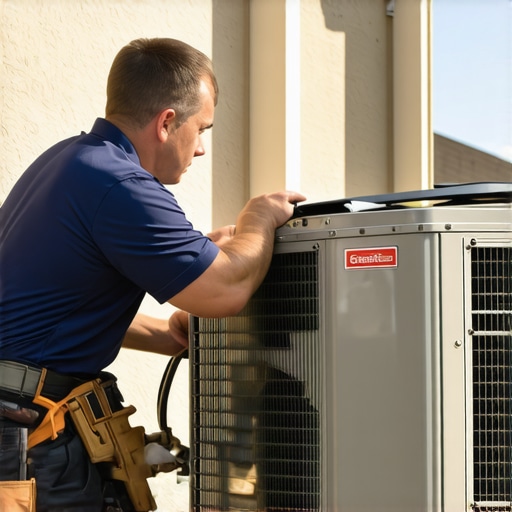
It was a surprisingly cold October evening when I noticed my furnace wasn’t kicking on. The house was getting colder by the hour, and I felt that sinking feeling in my stomach—what if this was going to turn into a bigger problem? That moment of frustration and uncertainty is something I bet many homeowners have faced at some point, especially when our comfort depends so heavily on these complex systems. But here’s the truth: tackling HVAC issues the right way can make all the difference, and I want to show you how I turned my own experience around.
Why Trusting the Experts in HVAC Repair Matters More Than Ever
Many homeowners, including myself early on, are tempted to fix HVAC problems themselves or call the first available contractor. But mistake number one I made was rushing into repairs without fully understanding the system or consulting trusted sources. A little research revealed that improperly repaired HVAC units can lead to inefficiency, higher energy bills, and even complete system failure. For example, did you know that many common furnace repair mistakes can double your costs in the long run? You can learn about some of these pitfalls by reading [this guide on HVAC repair myths](https://heatprosservices.com/furnace-repair-myths-debunked-by-industry-experts).
Trustworthy repair isn’t just about fixing what’s broken—it’s about restoring confidence that your heating or cooling system will work reliably through seasons to come. That’s why I’ve dedicated myself to understanding the ins and outs of HVAC repair, including installation and maintenance. If you’re uncertain about whether your system’s issues are major or minor, the first step is knowing where to turn for expert advice.
So, have you ever experienced that moment of doubt when your HVAC system fails, and you’re unsure whether to repair it yourself or call in the pros? If so, you’re not alone—and I’m here to help you navigate those stressful decisions. Next, I’ll share simple, actionable steps to ensure your HVAC system gets the professional attention it deserves, saving you money and avoiding future headaches.
Assess Your System Before Tinkering
When your furnace or AC malfunctions, the first move should be a thorough assessment. Think of your HVAC system as a complex machine like a car; you wouldn’t attempt engine repairs without diagnosing the problem first. Start by checking the thermostat settings—make sure it’s on the correct mode and temperature. Next, listen for unusual noises or vibrations that could indicate a mechanical issue. Inspect accessible components like air filters or circuit breakers. Remember, sometimes the problem is as simple as a clogged filter, which you can replace yourself to restore airflow quickly.
Clear Obstacles and Check for Obvious Failures
Physically clearing debris around outdoor units and ensuring vents are unobstructed can dramatically improve performance. A clogged condenser or blocked airflow isn’t just inefficient—it can cause system overheating or failure. If you notice ice buildup on the coils, it’s a sign of deeper issues like refrigerant leaks or airflow restrictions. During my last repair attempt, I found a grimy filter and seasonal debris clogging the vents, which I cleared out. This immediate cleanup made a noticeable difference, preventing a costly trip for a technician. For more detailed steps on troubleshooting, visit this guide.
Diagnose Components Methodically
Use a multimeter to test electrical connections—think of it as a health check-up for your system’s brain. For example, testing the contactor or capacitors can reveal if electrical components are functioning correctly. During a recent inspection, I tested the capacitor’s capacitance, discovering it was weak. Replacing it restored the unit’s starting ability, saving me from a full system replacement. This did require some learning, but it’s a good skill to prevent unnecessary repairs. If you’re unsure, check out expert tutorials or consider professional help.
Identify and Fix Common Mechanical Issues
Like replacing a worn-out belt in a bicycle, some parts of your HVAC require periodic replacements. Fan belts, filters, and igniters often succumb to wear and tear. If you find a frayed belt or a dirty igniter, replacing them is straightforward with the right tools. I once replaced a faulty igniter myself by following a step-by-step guide, which took less than an hour. Keeping these parts in check ensures your system runs smoothly and prolongs its lifespan. For maintenance tips, visit this resource.
Evaluate Refrigerant Levels and Coolant Flow
Low refrigerant levels are a common culprit for cooling failure. Think of refrigerant as blood in your body; without enough, the system can’t circulate heat effectively. Use gauges or call a professional to measure refrigerant charge—especially if you notice ice buildup or poor cooling. In my experience, a simple leak detection and refilling process, done carefully, restored efficient cooling. Remember, handling refrigerants requires special skills and equipment; don’t attempt it without proper training. Learn more about the importance of refrigerant management at this page.
Test and Reconnect Safety Devices
Safety switches and fuses protect your system from damage. Regularly inspecting and testing these devices prevents unexpected failures. During one repair, I found a tripped circuit breaker and reset it, which immediately restored power. Ensuring all safety devices are operational is crucial—think of it as resetting the safety lock on a machinery system. If you encounter repeated tripping, consult an expert to identify underlying issues, like overloaded circuits or faulty components, to prevent future problems. For safety procedures, review this article.
Khann your System to Prevent Future Troubles
Once repairs are complete, scheduling regular maintenance can save you time and money later. Basic steps include replacing filters, cleaning coils, and inspecting ducts regularly—similar to changing oil in a car before a long trip. Personal experience showed me that a proactive approach, like subscribing to a maintenance plan, keeps the system running efficiently and reduces emergency repairs. For insights on long-term care, visit this guide.
When it comes to furnace repair, many homeowners hold misconceptions that can lead to costly mistakes. A typical belief is that all HVAC issues are straightforward and can be fixed with simple DIY efforts, but the reality is more nuanced. In my experience, rushing into repairs without a full understanding of the system often results in overlooked problems and repeated failures. For instance, some think that changing filters alone will solve performance issues, yet underlying problems like refrigerant leaks or faulty electrical components are frequently the real culprits. Making assumptions without professional diagnosis can trap you into recurrent expenses, highlighting the importance of trusting experts for comprehensive assessments.
A common myth is that newer systems require less maintenance, but technology advances have introduced more sophisticated components that demand specialized knowledge. Ignoring this can void warranties or cause damage that isn’t covered later. Additionally, many believe that major repairs mean replacing the entire system, when often targeted repairs can extend your unit’s lifespan significantly.
For those contemplating AC installation, some assume that all units are equal in efficiency and durability. However, selecting the right system involves considering factors like size, SEER ratings, and installation quality—all critical for optimal performance. You can learn more about selecting the best HVAC solutions by exploring [the ultimate guide to AC installation](https://heatprosservices.com/ultimate-guide-to-ac-installation-expert-tips-for-2025-success).
Beware of the ‘set-it-and-forget-it’ mindset regarding maintenance routines. Regular inspections and proactive servicing are essential to prevent unexpected breakdowns or safety hazards. Remember, neglecting early signs of issues like strange noises or inconsistent heating can lead to emergency repairs that could have been easily avoided with timely intervention.
A sneaky trap is underestimating the complexity of HVAC systems—many components work together in harmony, and a failure in one area can cascade into larger issues. Understanding this interconnectedness is vital for effective repairs and longevity. An expert approach, guided by comprehensive diagnostics, often uncovers hidden faults that superficial checks miss.
So, have you ever fallen into this trap? Let me know in the comments. Remember, avoiding misconceptions and understanding the deeper nuances of HVAC repair will save you time, money, and frustration, ensuring your system provides reliable comfort for years to come.
Maintaining your heating, ventilation, and air conditioning (HVAC) system over time requires more than just intuition; it demands the right equipment, methodical approaches, and a keen understanding of system components. Personally, I rely on a specific set of tools that empower me to diagnose, repair, and optimize my HVAC units effectively, ensuring longevity and peace of mind. One indispensable tool I’ve found invaluable is a high-quality digital manifold gauge set. It not only measures refrigerant pressures accurately but also helps detect leaks early, preventing costly failures. For example, using a manifold gauge set, I discovered a refrigerant leak in my system that, if left unaddressed, could have led to system shutdown during peak summer.
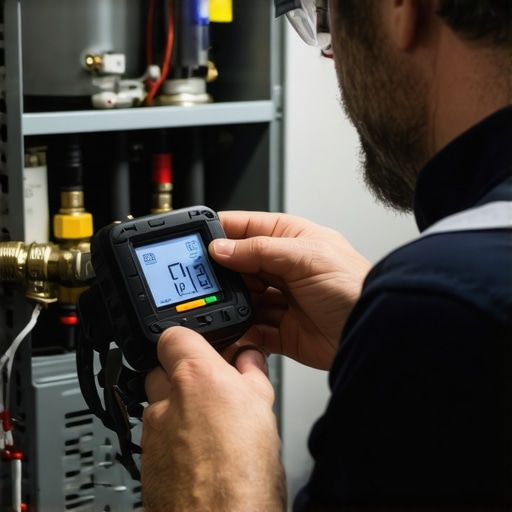
Alongside gauges, a trusted multimeter is crucial for testing electrical components such as thermostats, relays, and capacitors. I prefer a multimeter with auto-ranging capabilities for efficiency; it saves time and minimizes errors during troubleshooting. Additionally, I always have a reliable infrared thermometer at hand. This instrument allows me to swiftly identify uneven temperatures across vents or coil surfaces, providing insights into system performance without invasive procedures.
To streamline diagnostics and repairs, I utilize specialized HVAC diagnostic software like Fieldpiece’s Job Link system. These apps enable me to record pressure readings, electrical measurements, and system logs in real time, creating a comprehensive maintenance record. Such digital tools are transforming traditional HVAC service by enhancing accuracy and accountability. Experts predict that by 2025, integrating IoT sensors and cloud-based analytics will make proactive system management standard practice, reducing emergency breakdowns significantly.
When it comes to routine maintenance, I recommend scheduling seasonal tune-ups that incorporate these tools. Regularly checking refrigerant levels, electrical health, and temperature differentials ensures your system operates efficiently and extends its lifespan. Don’t just take my word for it—review industry standards outlined by professionals like Heating Service Innovations to stay ahead with cutting-edge practices.
How do I maintain HVAC tools over time?
The key is proper calibration, cleaning, and storage. Periodically calibrate electronic gauges and multimeters to ensure measurement accuracy. Cleaning sensors and connections after each use prevents debris buildup that can impair function. Storing tools in a dedicated_case or drawer, away from extreme temperatures and humidity, prolongs their lifespan. For more detailed tips on maintaining your toolkit, visit preventative maintenance guides.
By investing in quality tools and adopting systematic diagnostic methods, homeowners and technicians alike can dramatically improve HVAC performance, prevent unnecessary breakdowns, and save long-term costs. Try integrating a digital manifold gauge set into your routine — it’s a game-changer for ensuring your system keeps running smoothly well into the future.
Thinking back on my journey through furnace repair and HVAC troubleshooting, one thing stands out: the most powerful lessons often come from unexpected challenges. These experiences didn’t just teach me technical skills; they reshaped how I approach every system and customer interaction. Sometimes, the hardest lessons reveal the critical importance of trusting comprehensive diagnostics over quick fixes, a realization that saved me time and money in the long run. Remember, in HVAC repair, patience with detailed assessment outperforms rushing into repairs based on assumptions.
What I Wish I Knew About HVAC Mastery Early On
- Patience is a Virtue: Jumping to conclusions can lead to overlooked faults. Deep diagnosis, even if time-consuming, prevents recurring failures and builds trust.
- Tool Knowledge Matters: Mastering your diagnostic toolkit—multimeters, gauges, and software—turns guesswork into precise actions. Investing time to learn these tools has always paid off for me.
- System Interconnectivity is Key: Recognizing how electrical, mechanical, and refrigerant components work together avoids misdiagnoses and unnecessary replacements.
- Never Underestimate Minor Issues: A clogged filter or a loose connection can cause major performance drops. Fixing small problems promptly prevents larger breakdowns.
- Building Customer Confidence is Core: Clear explanations and transparency foster trust—leading to easier decisions and long-term relationships.
Tools and Resources That Elevated My HVAC Game
- Furnace Repair Myths Guide: This resource corrected misconceptions that initially led me astray, saving me from costly mistakes.
- Ultimate Guide to AC Installation: Learning from industry experts provided insights on system sizing and expert installation that improve efficiency and durability.
- HVAC Maintenance Strategies: Practical strategies help me maintain systems proactively, extending their lifespan and performance.
- Heating Service Innovations: Staying updated with the latest tech ensures I offer clients modern, efficient solutions, increasing trust.
Keep Your Confidence Burning Bright
My journey has shown me that the essence of HVAC mastery lies in continuous learning and humility. Every repair is an opportunity to hone skills and deepen understanding. Remember, investing in your knowledge and embracing thorough diagnostics will make you resilient against surprises and forge stronger trust with clients. So, as you take on your next thermostat or furnace, approach it with curiosity and patience—your confidence and your system’s longevity will thank you.
What’s the biggest lesson you’ve learned in HVAC repair so far? Share your experiences below—I’d love to hear how setbacks transformed your approach to system troubleshooting and customer care.
http://Josephine%20Carter
Reading this post really resonated with me, especially the importance of thorough diagnosis before jumping into repairs. I remember a time when I tried to fix my AC myself because it was suddenly blowing warm air, thinking I could save a few bucks. Turns out, I was overlooking a refrigerant leak, which I only discovered after calling in a professional. This experience taught me the value of trusting experts, especially when dealing with complex systems. I’ve since learned that proper tools and systematic troubleshooting not only save money but also prolong the lifespan of HVAC units. It’s fascinating how much more confident I’ve become in handling minor issues now. Has anyone here found that investing in diagnostic tools like multimeters and refrigerant gauges really changed their approach to repairs? I’d love to hear about your experiences or tips on beginner-friendly tools that make troubleshooting safer and easier.
http://Megan%20Wilson
Your experience really highlights the importance of proper diagnosis before jumping into repairs, which I completely agree with. I recall a time when I tried to troubleshoot my HVAC system myself during a cold snap, only to realize I was missing a simple blown fuse. That taught me the value of inspecting basic components first, but also knowing when to call in an expert to prevent further damage. I’ve found that investing in a good multimeter and a trusty refrigerant gauge has become a game changer for me—I now feel more confident diagnosing minor issues safely. For those just starting out, what’s been your biggest challenge in learning to use these diagnostic tools effectively? I think understanding their proper calibration and reading can really accelerate troubleshooting and avoid misdiagnoses. It’s all about building that skill set gradually—do you have any tips for beginners on how to get comfortable with these tools?