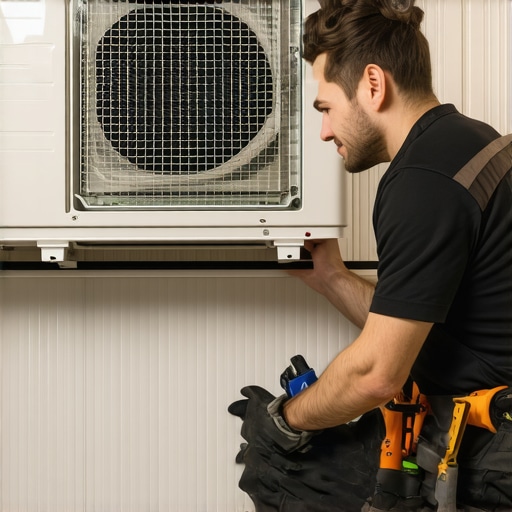
It was a freezing winter night when I first experienced the cold shoulder from my own furnace. The familiar hum was replaced by a weird silence, and within minutes, I was scrambling to find emergency blankets instead of warm comfort. That moment hit me like a ton of bricks—how many of us depend so blindly on our heating systems until they fail us exactly when we need them most? I remember feeling helpless, questioning if I was doing everything I could to ensure my home’s warmth.
As I delved deeper into HVAC repair and maintenance tips, I realized I’d made some classic mistakes early on—like ignoring regular inspections or assuming that tiny issues would fix themselves. Trusting your HVAC system doesn’t have to be a leap in the dark. In fact, with a few simple, proactive steps, you can restore confidence in your heating and cooling systems, ensuring they work when it counts.
Today, I want to share the insights that transformed my approach, so you won’t be caught in the cold like I was. We’ll tackle how to rebuild trust in your system with practical, easy-to-follow tips that any homeowner can implement. Whether you’re facing constant breakdowns or just want peace of mind, understanding these strategies is your first step towards comfort and reliability.
### Why Many Homeowners Struggle with HVAC Confidence
Have you ever wondered why seemingly minor issues snowball into major system failures? It turns out, neglecting routine maintenance or ignoring early warning signs can drastically reduce your system’s lifespan and efficiency. According to industry experts, regular checkups can extend your HVAC’s life by up to 50% and save you hundreds in repair costs over time. Learning how to identify when your furnace needs urgent repair, and when a simple tune-up will do, is key to maintaining trust.
Reflecting on my own experience, I vividly recall the moment I overlooked a small strange noise coming from my heater. Thinking it was nothing, I brushed it off until one chilly night when my furnace refused to turn on. That mistake cost me more than just discomfort; it shook my confidence in my home’s heating system. But it also became a turning point—I dove into resources like [Furnace Repair Myths Debunked](https://heatprosservices.com/furnace-repair-myths-debunked-by-industry-experts) to understand common pitfalls.
So, how can you avoid these costly missteps? The key lies in understanding your system and adopting proactive maintenance habits. Up next, I’ll walk you through the essential steps to rebuild trust, starting with the basics of maintenance and inspection that can save you time, money, and peace of mind.
Conduct a Visual Inspection
Start by turning off your system to ensure safety, then visually examine all accessible components, including filters, vents, and thermostats. I once found a layer of dust clogging my filter, which was hampering airflow. Replacing filters regularly is like changing the oil in a car—essential for smooth operation. Keep a log of what you check to track recurring issues.
Change and Clean Filters Promptly
Filters trap dirt and debris, but over time, they become clogged. I learned this the hard way when my heater started making strange noises; replacing my filter immediately improved performance. Set reminders to replace filters at least every three months. Use high-efficiency filters if your system supports them—this can improve airflow and indoor air quality.
Check Thermostat Settings and Functionality
Sometimes, system issues stem from incorrect thermostat settings or faulty devices. I discovered my thermostat was set to ‘Off’ during a chilly night, which explained why my heater didn’t turn on. Test your thermostat regularly by setting it to a higher temperature and observing if the system responds. Consider upgrading to a programmable thermostat for better control and energy savings.
Inspect and Clear Vents and Ducts
Blocked vents reduce airflow and efficiency. I once noticed some vents hidden behind furniture weren’t blowing warm air—cleaning these improved overall comfort. Use a flashlight to check for obstructions, dust, or debris. Scheduling professional duct cleaning can be a game-changer, especially if you notice persistent uneven heating in different rooms.
Test Safety Features and Circuit Breakers
Ensure safety switches, circuit breakers, and emergency shut-offs are in proper condition. I found my breaker tripped after a power surge, causing system failure. Regularly test these safety components and replace any damaged parts promptly. This step prevents minor issues from escalating into costly repairs and keeps your system reliable.
Schedule a Professional Inspection
While DIY checks are helpful, a licensed technician can spot underlying problems. I once had an unseen leak developing in my heat exchanger—detecting and fixing it early prevented dangerous carbon monoxide buildup. Book annual inspections to catch potential issues before they become emergencies. For trustworthy service, visit Heat Pros Services.
Monitor System Performance and Make Adjustments
Pay attention to how your system runs after each maintenance step. Notice any unusual noises, inconsistent heating, or higher energy bills. I started recording my system’s performance and identified a pattern that suggested a refrigerant leak, prompting professional intervention. Keeping a system performance journal helps you spot trends and ensures your system remains dependable.
Educate Yourself on Common Signs of Trouble
Knowing early warning signals like strange odors, inconsistent temperature, or increased energy use allows you to act swiftly. I initially ignored odd smells, which later indicated mold presence—addressing it early kept my family healthy. Read reputable guides like furnace repair myths to better understand what issues require professional attention.
Implementing these proactive steps turns maintenance from a reactive chore into a routine habit, building trust in your HVAC system. With consistency, you’ll notice fewer breakdowns, lower bills, and a warmer, more comfortable home year-round.
Many homeowners operate under misconceptions about furnace repairs and HVAC service, often leading to costly mistakes and prolonged discomfort. For instance, a common myth is that regular repairs alone can compensate for poor maintenance habits. However, relying solely on reactive fixes ignores the importance of proactive strategies—such as comprehensive system assessments and understanding advanced troubleshooting techniques—that professionals employ to ensure lasting efficiency. Neglecting these nuances can result in repetitive breakdowns and unexpected expenses.
What Are the Risks of Overlooking Small System Anomalies in HVAC Maintenance?
Ignoring early signs like slight temperature inconsistencies or minor odd noises might seem harmless, but these often signal underlying issues that, if left unaddressed, escalate into major failures. Industry experts highlight that detecting and resolving issues at their onset can prevent emergency repairs and extend equipment lifespan. An illustrative example is failing to notice low refrigerant levels, which can diminish cooling performance and increase energy bills—a trap many fall into without proper diagnostics. For in-depth insights, reviewing trusted resources like choosing the right HVAC solutions can help refine your approach. Advanced homeowners also ask: _How can I differentiate between a repair that’s a temporary fix versus one that restores long-term reliability?_ The answer involves understanding system design complexities and applying diagnostic techniques such as airflow analysis or heat exchanger inspections—skills that usually require professional expertise to execute effectively. According to recent studies, systems optimized through diagnostic precision perform up to 30% more efficiently and last longer. The key takeaway is that shortcuts in troubleshooting often lead to recurring issues. Instead, investing in thorough diagnostics, preventive checks, and understanding repair priorities forge the path to trustworthy system performance. Remember, DIY fixes might be tempting, but knowing the limitations can save you from future headaches. For comprehensive guidance, exploring efficient repair strategies provides valuable strategies to keep your system reliable. Don’t fall for the misconception that all repairs are created equal—sometimes, the most advanced diagnostics are the only way to truly rebuild confidence in your HVAC setup. Have you ever fallen into this trap? Let me know in the comments.
Invest in the Right Diagnostic Gear
When it comes to maintaining your heating or cooling system, having a professional-grade multimeter and manometer is invaluable. I personally rely on a digital multimeter like the Fluke 115, which offers accurate readings of voltage, current, and resistance—crucial for diagnosing electrical issues with your HVAC components. A digital manometer helps in measuring refrigerant pressures precisely, aiding in identifying leaks or inefficient compression. Using this equipment, I can quickly pinpoint problems during routine checks, saving me money and preventing major failures. As technology advances, smart diagnostic tools are becoming more accessible; for example, wireless refrigerant leak detectors can send real-time alerts via smartphone, making long-term system monitoring more manageable. Expect this trend to evolve with AI-assisted diagnostics that can predict failures before they happen, further boosting confidence in DIY or professional maintenance routines.
How do I maintain HVAC diagnostics over time?
Consistent calibration of your testing tools is key. Regularly check the accuracy of your multimeter and refrigerant gauges against known standards or professional calibration services. Keep your equipment clean and store it properly to ensure longevity and accuracy. Additionally, updating your knowledge with the latest software or firmware updates for your diagnostic devices ensures you’re utilizing the most effective features. For ongoing support, professional techs often use data logging software that tracks performance trends over time, helping predict component lifespan and schedule preventative repairs—learning this approach has improved my system’s reliability significantly. By integrating advanced tools into your routine, you can catch issues early, optimize energy efficiency, and extend your equipment’s service life. To explore these innovations further, check out this comprehensive guide. As we look ahead, I predict AI-powered diagnostics and IoT-enabled sensors will become standard, providing continuous, real-time insights that empower homeowners and technicians alike.
Make Smart Software Your Best Friend
Beyond physical tools, software solutions play a vital role. I personally use HVAC-specific diagnostic software like HVAC SitePro, which integrates data from multiple sensors and logs historical system behavior. This not only helps in troubleshooting but also simplifies management of maintenance schedules and warranty documentation. Cloud-based platforms are gaining popularity, allowing for remote monitoring and rapid response to alerts. For example, some systems now alert you via email or smartphone app about anomalies detected during operation—think of these as your digital watchdogs. In the future, machine learning algorithms will analyze this data to recommend personalized maintenance routines, ensuring your system stays efficient and dependable. Embracing these tech trends today sets the foundation for long-term peace of mind, reducing emergency repairs and improving overall performance.
What’s the best way to integrate these tools into your routine?
Establish a regular maintenance schedule that includes scheduled diagnostics and software updates. Designate specific days each season to run through your checklist, using your tools and software to verify system health. Keep detailed logs of readings, repairs, and service notes—this documentation can be invaluable when professional technicians arrive or if issues recur. Additionally, consider subscribing to remote monitoring services that can send proactive alerts about potential problems. Starting with a simple but reliable digital multimeter paired with user-friendly diagnostic software has already made a huge difference in my system’s resilience. For a more detailed setup guide, visit this resource. As technology continues to advance, integrating AI-driven diagnostics will soon become an essential part of every homeowner’s toolkit, making HVAC maintenance smarter, easier, and more effective.
Lessons the Cold Taught Me About Trusting Your HVAC System
My most profound lesson came on that freezing winter night when my furnace suddenly failed, leaving me shivering and helpless. It revealed how easily we become complacent about our heating systems, forgetting that regular care is the backbone of reliability. Since then, I’ve learned that trusting your HVAC system isn’t about blind faith but about understanding its language—listening to tiny signs before they turn into costly emergencies.
One revelation was that attempting DIY repairs without proper tools or knowledge often backfires, fueling mistrust rather than restoring confidence. Real progress comes from investing in quality diagnostic gear and cultivating a proactive mindset—these tools illuminate issues early, saving money and ensuring warmth when you need it most. Over time, integrating smart monitoring and professional inspections transforms cautious hope into confident control, making your home a haven regardless of weather conditions.
Tools, Tips, and Wisdom That Changed My Approach
- High-Quality Diagnostic Equipment: Using a digital multimeter and refrigerant gauges has been instrumental. Trusted brands like Fluke provide accuracy that prevents guesswork.
- Routine Maintenance Does Matter: Regular filter changes, vents clearing, and thermostat checks ensure system health and longevity. Resources like preventative HVAC tips guide effective habits.
- Professional Partnerships: Scheduling annual inspections with reputable technicians—learn more at Heat Pros Services—has uncovered hidden issues before they escalate.
- Smart Home Integration: Embracing IoT devices and remote monitoring has added an extra layer of confidence, alerting me instantly to anomalies.
Embrace the Power to Secure Your Comfort
Taking control of your furnace and HVAC health is empowering. The journey from uncertainty to mastery involves continuous learning and adaptation, but every step reasonably reduces worry and surprises. Trust that by applying proactive maintenance, investing in good tools, and partnering with experts, you’re setting the stage for reliable warmth and coolness, regardless of seasons. The future of HVAC care is bright, with smarter solutions making confidence more accessible than ever.
Lessons the Cold Night Taught Me About Trusting Your HVAC System
- Don’t ignore those odd little noises—they’re often your system’s way of whispering warnings.
- Invest in proper diagnostic tools—cheap fixes often turn costly without them.
- Professional inspections are an insurance policy for your home’s comfort and safety.
- Leverage modern technology—smart sensors and apps bring peace of mind to your fingertips.
What’s been your biggest breakthrough in maintaining your heating or cooling system? Share your story below and keep the conversation warm!
,