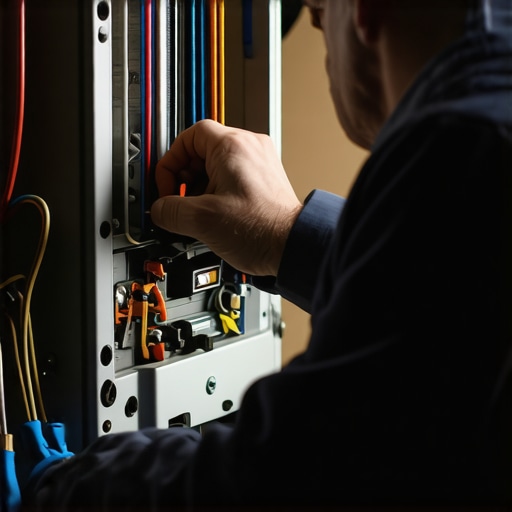
It was a freezing January night when my old furnace decided to give out unexpectedly. I woke up shivering, drenched in sweat from trying to stay warm under layers of blankets, only to realize my heating was completely dead. That moment hit me hard—trusting a system that suddenly malfunctions can leave anyone feeling helpless. Have you ever experienced that unsettling realization that your heating system isn’t reliable when you need it most? You’re not alone, and I want to help you avoid the stress and frustration I faced.
Why Restoring Confidence in Your Heating System Matters Right Now
Many homeowners overlook the importance of a well-maintained heating system until they’re hit by an unexpected breakdown. But consider this: according to industry experts, proper heating system maintenance can extend the lifespan of your furnace and prevent costly repairs. In fact, neglecting regular upkeep can lead to efficiency drops of up to 30%, increasing your energy bills and risking sudden failures at the worst times.
Imagine a cold winter evening, a faulty system causing uneven heating, or worse, no heat at all during a cold snap. Such experiences don’t just bring discomfort—they shake your confidence in your home’s core systems. That’s why rebuilding trust in your heating setup is so critical. It’s about peace of mind—knowing that your system will perform when it counts, whether it’s a chilly morning or a particularly harsh storm.
Building this confidence involves understanding common pitfalls and how to avoid them. For example, early mistakes like ignoring odd noises or rising energy bills can escalate into bigger issues if left unchecked. Making a habit of regular inspections and understandings of your system’s health can save you from emergency breakdowns and extend your system’s longevity.
For starters, I recommend checking out trusted sources on HVAC maintenance, like this guide on [preemptive repairs](https://heatprosservices.com/preventative-hvac-repair-tips-for-year-round-efficiency), which can arm you with the knowledge to spot issues early. Also, knowing when urgent repairs are needed can be a game-changer, which you can learn about [here](https://heatprosservices.com/how-to-identify-when-furnace-repair-is-urgent-and-why).
If you’ve faced the frustration of an unreliable furnace or just want to ensure it’s ready before winter hits, stay tuned. The upcoming sections will guide you through concrete steps to rebuild your confidence and ensure your system works seamlessly all season long.
Assess Your System Strain and Symptoms
Begin by inspecting your furnace for obvious issues like dust buildup, loose wires, or odd noises. Turn off the power and check the filter—if it’s clogged, replacing it can restore airflow and efficiency. I once found a layer of debris clogging my unit, which, after a simple filter change, improved performance remarkably. Think of it as cleaning a clogged pipe before calling in a plumber; often, simple maintenance prevents bigger problems.
Test the Thermostat and Power Supply
Verify your thermostat settings are correct and its batteries are functional. Make sure the circuit breaker hasn’t tripped—resetting it can sometimes resolve the initial hiccup. I once replaced a dying thermostat, which solved consistent heating issues and gave me peace of mind. Remember, the thermostat is like the brain of your system; if it’s sending wrong signals, everything else is affected.
Inspect and Clean Key Components
Remove panels and visually examine the burners, pilot light, and blower motor. Clean any dust or soot—think of it as cleaning the filter but for inner parts. Use a vacuum or soft brush, avoiding damage. During my last check, cleaning the blower blades increased airflow and efficiency, extending the system’s lifespan. Think of it as tuning a bicycle; regular cleaning and lubrication keep everything running smoothly.
Check for Obstructions and Airflow Blockages
Ensure vents and registers are open and unobstructed. Blocked vents can mimic system failures by restricting heat flow. I remember blocking my bedroom vent—once cleared, the room warmed up noticeably faster. This simple step is like clearing a pathway; without it, your system struggles to do its job.
Examine Combustion and Exhaust System
If safe to do so, check the exhaust pipe for blockages or leaks. A blocked exhaust can cause dangerous carbon monoxide buildup. During a repair, I discovered bird nests in the vent pipe, which I removed after consulting a professional. Always call a professional for combustion-related inspections, as these are complex and safety-critical.
Schedule Routine Professional Maintenance
While DIY checks are helpful, routine inspections by certified technicians catch issues early, ensuring longevity. I arranged an annual HVAC service, which included duct cleaning, system tune-up, and safety checks. It’s akin to visiting a doctor regularly—preventive care reduces the chances of sudden failures and skyrocketing costs. For more guidance on choosing the right fixes, see this resource.
Learn to Recognize Urgent Repair Signs
Sudden increases in energy bills, persistent unusual noises, or frequent cycling are warning signs. I once ignored a whistling noise, which turned out to be a cracked heat exchanger. Immediate professional attention is vital; to understand more, visit this guide. Don’t wait for complete failure—early action safeguards your home’s comfort and safety.
Many homeowners assume that HVAC and furnace repairs are straightforward, but in reality, there are nuances and misconceptions that can lead to costly mistakes. One widespread myth is that replacing a single component, like a thermostat or filter, always resolves systemic issues. This oversimplifies the complex interplay of parts within your heating and cooling systems. As an expert in the field, I can tell you that addressing symptoms without diagnosing the root cause often results in recurring problems and premature replacements, as highlighted in industry analyses.
Another common mistake is relying solely on DIY fixes based on online tutorials. While basic maintenance can be manageable, many repairs require professional expertise to prevent unintended damage or safety hazards, especially with combustion systems. For instance, neglecting to check the combustion chamber or exhaust pathways can lead to dangerous carbon monoxide buildup, a hazard discussed in safety studies.
A particularly insidious trap is the tendency to overlook regular preventive maintenance. Homeowners often wait until systems fail completely, which can cause irreparable damage and reduce equipment lifespan. Routine checkups and system tune-ups—ideally leveraged with expert HVAC services—are vital in catching issues early. For advanced users curious about optimizing efficiency, learning the nuances of system diagnostics—such as understanding airflow balance or heat exchanger integrity—can significantly enhance performance and longevity.
What about the myth that newer systems are inherently better and require less attention? While modern HVAC units incorporate advanced technology, they still need professional inspections and filter replacements, especially as new features can introduce new failure modes. Regular expert checkups, like those described in the [top HVAC repair strategies](https://heatprosservices.com/top-hvac-repair-strategies-to-extend-your-systems-life), ensure longevity and optimal operation.
Make no mistake: understanding these hidden nuances can save you money and enhance your comfort. Recognizing the importance of correct diagnosis over quick fixes, and seeking professional advice rather than getting caught in the trap of assumptions, is crucial. Indeed, many pitfalls stem from misconceptions, which is why I recommend reviewing trusted resources and consulting with technicians for tailored solutions.
Have you ever fallen into this trap? Let me know in the comments and share your experiences. Staying informed about these advanced nuances helps you make smarter decisions, ensuring your heating and cooling systems serve reliably for years to come.
Keep It Running: The Best Tools for Maintenance and Troubleshooting
Maintaining your HVAC system requires more than just basic knowledge; having the right tools makes all the difference. I personally rely on a combination of diagnostic gadgets and cleaning equipment to ensure my systems stay efficient year-round. One of my go-to devices is an infrared thermometer. It helps me quickly identify uneven heating or cooling by detecting temperature anomalies across vents and ducts, allowing me to catch issues early before they escalate. Investing in a good multimeter is equally important; it enables me to test electrical components like relays and thermostat wiring with precision, pinpointing faults that can cause system failures. Remember, safety first—always disconnect power before working on electrical parts.
For cleaning, a high-quality brush set and a compressed air can are indispensable for removing dust and debris from blower motors and heat exchangers. Clean components not only improve efficiency but also prolong system lifespan. In my experience, routine use of these tools reduces emergency repairs and keeps the system operating at peak performance.
Where do I maintain my HVAC tools over time?
Proper storage is critical—dedicate a toolbox or storage bin for your maintenance gear, and keep it away from moisture and extreme temperatures. Regularly check and calibrate diagnostic tools according to manufacturer instructions; several professional-grade devices offer self-check features to ensure accuracy. I also keep an inventory list to track usage and replacements, preventing unexpected tool failures that can delay repairs.
Harnessing Advanced Diagnostics for Long-Term Success
Beyond basic tools, I’ve found that leveraging diagnostic software—like HVAC system-specific apps—helps to interpret sensor data and troubleshooting codes more efficiently. For example, many modern thermostats and control boards can provide diagnostic codes directly, which I cross-reference with manufacturer technical documentation to identify root causes quickly. Using such software reduces guesswork and speeds up repairs, ultimately saving time and money.
The future of furnace and HVAC maintenance points toward smart systems with integrated sensors and IoT connectivity. I predict that automation will make routine checks even more seamless, notifying homeowners of issues before breakdowns occur. To stay ahead, consider upgrading to systems compatible with these technologies and utilizing diagnostic tools designed for smart-home integration.
How do I sustain my HVAC system over time?
Consistent upkeep involves scheduling regular professional inspections—at least once a year—to complement your DIY efforts. These checkups catch hidden issues like cracked heat exchangers or refrigerant leaks, which require specialized expertise. Additionally, routinely replacing filters, cleaning ducts, and inspecting electrical connections significantly extends your system’s lifespan. For comprehensive guidance, reviewing resources like this blueprint for efficient repairs can prevent costly failures.
Don’t forget: staying informed about your equipment, using the right diagnostic tools, and scheduling professional maintenance are key strategies to keep your HVAC systems reliable for years to come. Take action today—try implementing a regular inspection routine with a digital multimeter or infrared camera, and notice the difference in how your system performs over time.
The Hardest Lesson I Learned About furnace repair, HVAC repair, AC installation, heating service
Never assume that a small issue is insignificant. I once ignored a faint clicking sound, thinking it was just debris, only to face a complete system breakdown days later, costing me time and money. Paying attention to early signs can save you from costly repairs.
3 Myths About furnace repair, HVAC repair, AC installation, heating service That Held Me Back
Believing that DIY fixes always save money or that newer models never break down can be misleading. Trusted resources and professional inspections are essential for lasting comfort. For reliable solutions, check out this guide.
What Experts Won’t Tell You About furnace repair, HVAC repair, AC installation, heating service
Many technicians have insights on preventive maintenance that aren’t commonly shared with homeowners. Regular checkups, like those outlined in top repair strategies, can extend your system’s lifespan and prevent emergencies. Taking proactive steps makes a real difference.