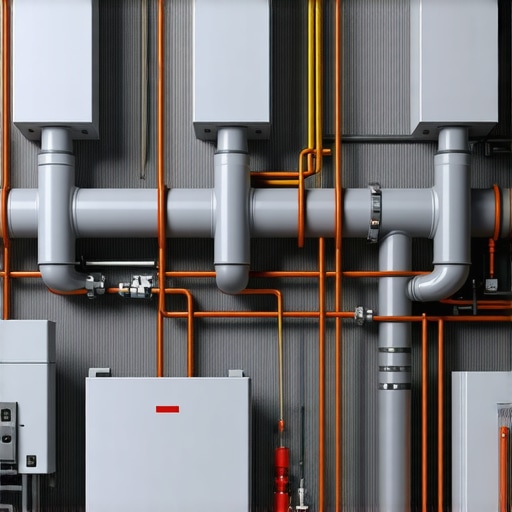
The Physics of Failure: Why New Builds Freeze
My old mentor used to scream, ‘You can’t cool what you can’t touch!’ and while he was talking about evaporation, the inverse is true for the brutal winters we are staring down in 2026. This is why airflow matters more than raw horsepower. I’ve spent thirty years watching ‘Tin Knockers’ slap together ductwork that looks like a bowl of spaghetti, only for the homeowner to wonder why their brand-new, high-efficiency furnace is screaming like a banshee two months after move-in. Most of what passes for ‘design’ in new construction is actually just a race to the bottom, led by sales techs in shiny polos who wouldn’t know a manometer from a meat thermometer.
1. The Sin of Oversizing and Ignoring Inverter-Driven Compressors
The biggest mistake in 2026 is still the one from 1986: thinking bigger is better. If a builder tells you they are putting in a 5-ton unit for a 2,000-square-foot house because ‘it’ll heat it faster,’ they are lying to your face. An oversized furnace or heat pump leads to short cycling. The unit hammers on, heats the air near the thermostat, and shuts off before the heat can soak into the walls. This creates massive thermal stress on the heat exchanger. Instead, modern designs must utilize inverter-driven compressors and modulating gas valves. These systems don’t just blast on and off; they sip ‘juice’ and run at lower speeds for longer periods, maintaining a steady temp. This is where heating service innovations transforming 2025 climate control are actually heading—precision, not power.
“Equipment shall be sized in accordance with ACCA Manual J, regardless of the ‘rule of thumb’ methods used by local contractors.” – ACCA Manual J Standards
2. Neglecting Crawl Space Heating Solutions and Vapor Barrier Integrity
In the North, we see too many ‘vented’ crawl spaces that turn into ice boxes. When the mercury drops, your ductwork becomes a radiator for the worms. If your new construction doesn’t include crawl space heating solutions like conditioned, encapsulated spaces, your furnace is fighting a losing battle. I’ve seen 2026 blueprints that still place high-efficiency furnaces in uninsulated vented crawls. The condensation in the secondary heat exchanger freezes, the pressure switch trips, and suddenly you’re calling for urgent furnace repair at 3 AM. Use ‘Pookie’ (mastic) to seal every joint. Duct tape is for gift wrapping; mastic is for professionals who don’t want to heat the neighborhood’s squirrels.
3. The Filthy Truth: MERV Filter Upgrades vs. Static Pressure
Everyone wants HEPA filter systems and MERV filter upgrades now to handle IAQ improvement services. That’s fine, but you can’t just shove a thick filter into a system designed for a cheap fiberglass mesh. High-MERV filters increase static pressure. It’s like trying to breathe through a wet towel. If the ductwork isn’t sized for the pressure drop, your blower motor will burn out in three years. You need a HEPA filter system with its own dedicated return or a massively oversized filter cabinet to maintain airflow. When I walk into a house and hear the return air whistling, I know that ‘Sparky’ or the builder didn’t consult an airflow architect. This leads to control board diagnostics showing ‘limit switch open’ errors because the furnace is literally suffocating.
4. AI-Driven HVAC Optimization and the Geofencing Trap
2026 is all about AI-driven HVAC optimization and geofencing temperature control. It sounds great on a brochure, but if the logic isn’t calibrated to the home’s thermal envelope, it’s a disaster. Geofencing tells the heat to kick on when you’re five miles from home. If you have a high-efficiency heat pump without a backup ‘toaster’ (electric heat strip) and it’s -5°F outside, the AI might try to ramp up the temp too fast, triggering expensive auxiliary heat. Proper heating service hacks for comfort and savings involve setting the AI to ‘recovery mode’ so it gradually raises the temperature using the heat pump’s most efficient range, rather than panicking and hitting the heat strips.
“Ventilation air shall be provided to the living space in accordance with the minimum requirements of ASHRAE 62.2 to ensure acceptable indoor air quality.” – ASHRAE Standards
5. Forgetting the Outside: Snow Melt Systems Installation
In cold climates, new construction often ignores the driveway and the heat pump pad. Snow melt systems installation is no longer a luxury; it’s equipment protection. If your heat pump is buried in a drift, it can’t pull heat from the air. It goes into a constant defrost cycle, turning into a block of ice. Furthermore, if you’re building a high-end home in 2026, failing to install hydronic snow melt in the walkways is just asking for a liability suit. We see so many systems fail because the owner didn’t account for the ‘Monsoon Effect’ of melting snow refreezing inside the outdoor unit’s base pan. Real IAQ improvement services start with making sure the equipment can actually breathe outside. Check your ac installation secrets—the best techs know that the pad elevation is just as important as the wiring.
http://Samuel%20Wright
This post hits on some critical issues that often get overlooked in new construction. I agree wholeheartedly that oversizing furnaces without considering inverter technology is a recipe for short cycling and, ultimately, system failure. I’ve seen many homes where the ductwork design isn’t optimized for airflow, especially in colder climates, causing inadequate heating and increased strain on the equipment. The point about sealing duct joints with mastic rather than relying on duct tape is something I always emphasize; the difference in longevity and efficiency is remarkable.
The challenge I find with integrating snow melt systems is ensuring proper elevation and insulation to prevent refreezing. It’s fascinating how something as seemingly simple as a pad elevation can make such a difference. Has anyone had experience with hybrid heating systems combining heat pumps and emergency backup heating to avoid the trap of AI misjudging outdoor temperatures? Curious about how others are proactively managing these pitfalls in 2026’s climate conditions.