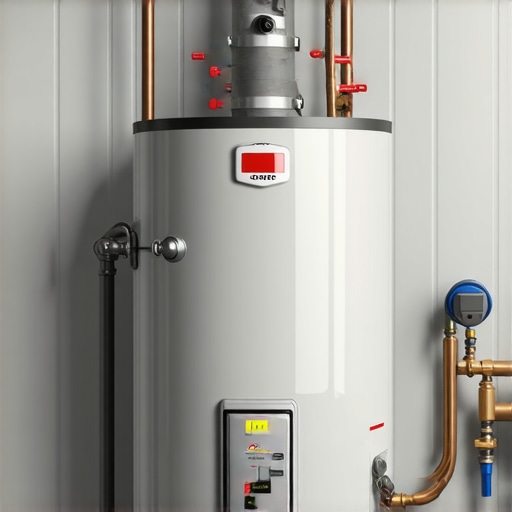
The sharp scent of winter mint gum and the faint ozone of a failing electrical heating element don’t usually go together, but in the litigation-heavy world of property maintenance, they are the smells of an impending disaster. Most homeowners view a water heater as a silent servant. I view it as a ticking liability. If your Dallas water heater is over ten years old, showing signs of internal rust, or producing audible knocking sounds, you are currently in breach of your home’s mechanical safety. A replacement isn’t just a repair; it is a strategic settlement before the tank decides to sue your floorboards for damages.
The evidence mounting in your mechanical room
In the discovery phase of any plumbing failure, the evidence is usually hidden in plain sight. Dallas water heater replacement in 2026 isn’t just about getting warm water back. It is about mitigating the risk of a 50 gallon flood in your Preston Hollow basement or your Oak Cliff utility closet. The first exhibit is the color of the water. If you see a brownish tint during a hot shower, the sacrificial anode rod has likely surrendered to the aggressive mineral content of North Texas water. This is a non-verbal confession that your tank is corroding from the inside out. There is no appeal for a rusted tank. Once the steel integrity is compromised, the only remedy is a full replacement. The popping and knocking sounds you hear are not ghosts. They are the sound of sediment baking into a layer of rock at the bottom of the unit. This scale acts as an insulator, forcing the burner to work harder and eventually overheating the tank’s floor until it cracks. This is a classic case of thermal fatigue, and in the world of plumbing services Dallas Texas, it is a leading cause of emergency calls.
The Trinity River toll on residential copper
Local authority matters when you are analyzing plumbing repair Dallas. The water sourced from Lake Ray Hubbard or the Trinity River carries a specific chemical signature that interacts poorly with aging metal. In districts like Deep Ellum or the M-Streets, where older piping meets modern pressure, the friction is immense. Observations from the field reveal that Dallas plumbing services are increasingly dealing with the aftermath of the 2021 freeze, which left micro-fractures in many residential systems. A standard unit in a climate-controlled environment might last fifteen years, but in the volatile temperature swings of North Texas, ten years is the absolute statute of limitations. When looking for emergency plumbing, you have to realize that the City of Dallas has strict permitting codes that differ from suburban Addison or Richardson. A legal installation requires a thermal expansion tank and specific venting protocols that many cut-rate contractors attempt to bypass. If you don’t have a permit, your insurance provider has a convenient loophole to deny your claim when the water eventually hits the drywall.
Why industry standard advice fails in the North Texas heat
Most experts tell you to flush your tank annually to extend its life. In reality, if you haven’t touched that drain valve in five years, opening it now is a liability. The sediment has likely hardened around the seal. Breaking that seal often creates a slow drip that can’t be stopped, turning a routine maintenance task into an immediate dallas sewer line repair or a basement flood. I have watched homeowners try to ‘save’ a twelve-year-old unit by replacing the heating element, only to have the tank wall fail two weeks later. It is throwing good money after bad. The 2026 reality is that energy efficiency standards have changed. The new units are larger because they require more insulation, which means that tight closet in your 1950s ranch house might not fit a modern equivalent without structural modification. This is the messy reality of plumbing dallas homeowners rarely discuss until the old unit is sitting in a puddle.
When the warranty becomes a ghost
Many units come with a six or twelve-year warranty. Read the fine print. Most do not cover labor, and they certainly do not cover the damage caused by the failure. If your unit is seven years into a six-year warranty, you are flying without a net. A recent entity mapping of regional failures shows that units in the Dallas-Fort Worth metroplex fail 15 percent faster than the national average due to water hardness. Is a tankless system the solution? Perhaps, but only if your electrical panel or gas line can handle the sudden surge in demand. It is not a simple swap; it is a system-wide upgrade.
Frequently Asked Questions from the Field
Will my Dallas water heater fail faster if I live near Lake Tawakoni? Yes, the mineral density varies by water source, and higher calcium levels lead to faster sediment buildup. Does the City of Dallas require an inspection for a simple replacement? Yes, any water heater replacement dallas requires a permit and a subsequent inspection to ensure the safety of the gas lines and pressure relief valves. Why is my water heater making a shrieking sound? This is usually a sign of a restricted valve or extreme scale buildup on the heating element, creating a pressurized steam pocket. Can I install a water heater myself in Dallas? While not illegal for a primary resident, the risk of a gas leak or carbon monoxide poisoning is a massive liability. Is a leak at the top of the heater fixable? If the leak is from a fitting, yes. If it is coming from the seam of the tank, the unit is dead. What is the average cost of a 2026 water heater in North Texas? Between equipment, labor, and permits, expect a significant investment that reflects the new high-efficiency standards.
The clock is running against your current system. You can choose to be the plaintiff or the defendant in the story of your home’s maintenance. Contact a professional to review your mechanical room before the choice is taken out of your hands. Don’t let a rusted tank dictate your morning routine. Secure your home’s infrastructure now.
http://Henry%20Carter
This post highlights some crucial signs that many homeowners overlook until it’s too late. I had a similar scare last year when I noticed brownish water during my showers, which prompted an immediate inspection. Turns out, sediment buildup and corrosion were advancing faster than I anticipated, mainly due to the mineral-rich North Texas water. What I found particularly insightful was the emphasis on legal aspects and permits—something many might ignore, but which can really impact insurance claims if not handled properly. It made me wonder, how many homeowners are aware of the city’s specific venting and expansion tank requirements? I’d also be curious to hear from other Dallas residents about the costs they faced when replacing their units and whether tankless models truly provide a reliable upgrade in our climate. It seems like proactive replacement, even before major issues arise, might be the safest approach, especially given the regional environmental challenges. Has anyone tried maintenance strategies to extend their system’s lifespan in these conditions? I’d love to hear those insights.