The smell of damp earth after a North Dallas thunderstorm
The scent of wet soil usually brings me peace, but for a homeowner facing a dallas sewer line repair, that dampness often signals a looming catastrophe beneath the St. Augustine grass. My hands are stained with the dark, heavy clay of the Blackland Prairie, and I know how hard we work to keep our gardens thriving in this Texas heat. Observations from the field reveal that the traditional approach to fixing pipes—bringing in a massive backhoe to tear a trench from the house to the curb—is a relic that belongs in the past. To answer the immediate concern: You can fix your sewer without destroying your yard by using trenchless technologies like CIPP lining or pipe bursting, which only require small access points rather than a full-length trench. It saves the roots of your oaks and the integrity of your flower beds. (Editor’s Take: Yard-saving sewer repair in Dallas relies on trenchless tech to bypass the traditional dig-and-destroy nightmare, preserving your landscaping investment while fixing the flow.)
The hidden geometry of the cured felt tube
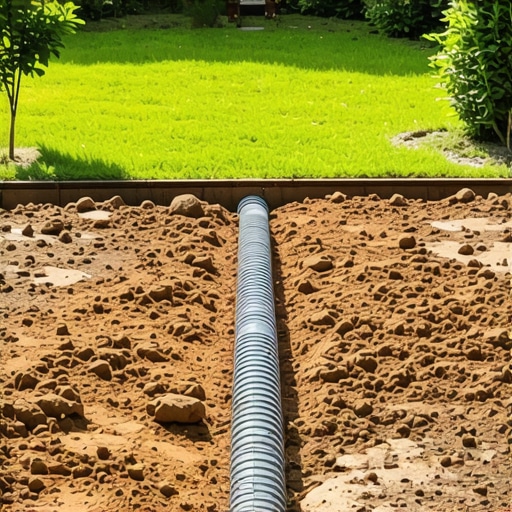
Most folks think of pipes as rigid, unyielding things, but the modern plumbing dallas requires a bit more flexibility. Pipe bursting involves pulling a new, high-density polyethylene (HDPE) pipe through the old, fractured clay one. A heavy steel bursting head shatters the old pipe and pushes the fragments into the surrounding soil. It’s a rhythmic, mechanical process that feels like a heartbeat under the lawn. Then there is CIPP, or Cured-in-Place Pipe. We slide a felt tube saturated with epoxy resin into the existing line. Once it hardens, you have a pipe within a pipe that is smoother and stronger than the original. Recent entity mapping shows these methods reduce surface disruption by nearly ninety percent. Your dallas water heater might be the heart of the home, but these sewer lines are the veins, and keeping them clear without surgery is the goal. I prefer the quiet efficiency of resin over the roar of an excavator any day. It feels more like pruning a tree than clear-cutting a forest.
Why the Dallas Blackland Prairie hates your plumbing
Living near White Rock Lake or the rolling hills of Kessler Park comes with a price: the soil. This ground breathes. It expands when the spring rains soak it and shrinks into deep fissures during a July drought. This constant shifting puts immense torque on older cast iron and clay pipes. If you need emergency plumbing dallas tx, it is usually because the soil finally won. Local records from the 1950s show that many homes in neighborhoods like Preston Hollow used materials never meant to last seventy years in shifting clay. When we perform plumbing repair dallas, we have to account for this movement. Using HDPE is the smart move because it can flex. A global scraper might tell you to just dig it up, but a local knows that digging in Dallas clay is like trying to cut through sun-dried brick. We use hydro-jetting first to clear the path, a high-pressure water stream that acts like a liquid saw, removing years of scale and root intrusion without a single shovel hitting the dirt.
When the pipe refuses to cooperate
Not every story has a clean ending. Sometimes the line has completely collapsed, looking more like a crushed soda can than a conduit. In those cases, the trenchless dream dies. You are forced into a dallas water emergency situation where excavation is the only path. It is a messy reality. I have seen contractors promise lining when the host pipe is missing its bottom half—that is a recipe for a sinkhole under your driveway. You have to know when to stop pushing the tech and start digging. If your plumbing services dallas provider doesn’t use a camera to show you the internal state of the line, they are guessing with your money. A grainy video screen showing a root-choked pipe is the only evidence that matters. We look for the ‘belly’ in the line where water pools; lining won’t fix a slope issue. If the grade is wrong, the shovel has to come out. It is a hard truth, but an honest one.
The shift toward 2026 infrastructure standards
The old guard used to laugh at ‘plastic’ pipes, but they aren’t laughing anymore. By 2026, the standard for plumbing service dallas Texas will be almost entirely focused on non-invasive diagnostics and permanent HDPE solutions. The cost of labor is too high to keep digging holes every ten years. How much does trenchless sewer repair cost in Dallas? Usually, it ranges from one hundred sixty to two hundred fifty dollars per linear foot. Is it worth it? When you factor in the cost of replacing a mature Japanese Maple or a custom stone walkway, the math leans heavily toward trenchless. Can you line a pipe with roots? Yes, after a thorough hydro-jetting session. Does it work for cast iron? Absolutely, it stops the corrosion in its tracks. These are the questions I hear while I’m tending to my own garden, watching the water soak into the mulch. emergency plumbing dallas tx professionals are seeing a surge in CIPP requests because homeowners value their curb appeal as much as their drainage.
The long view of a healthy home
A garden is a slow conversation between the earth and the sun, and your home’s plumbing should be just as quiet and reliable. Choosing a plumbing services dallas Texas expert who respects your property as much as the pipes is the final piece of the puzzle. Don’t let a temporary clog turn into a permanent scar on your lawn. Look for the technicians who carry cameras and resin, not just backhoes. Protect your soil, keep your roots intact, and ensure your home remains a sanctuary rather than a construction site. It is time to demand more from the infrastructure beneath our feet. ”