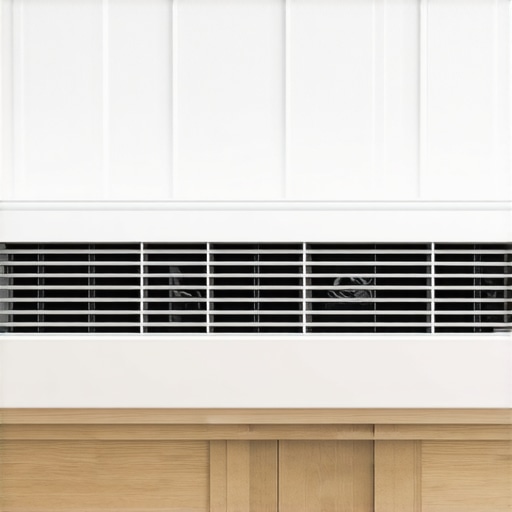
The Anatomy of a Winter Emergency: When the Scent of Toasted Dust Turns Into Trouble
Every year, when the first real frost hits the windows and the mercury dips into the teens, I get the same frantic calls. It starts with a sniff. A homeowner smells something like a cross between an old toaster and a campfire, and they assume their house is about to go up in flames. Most of the time, it’s just ‘the seasoning’ of the heating season—dust burning off the elements. But as we look toward the winter of 2026, the complexity of our home heating systems has evolved beyond simple copper fins and electric coils. We are dealing with sophisticated systems where IAQ improvement services and predictive maintenance alerts are now the frontline of defense.
The Sales Tech Scam: A Forensic Discovery
I followed a ‘Sales Tech’ last winter who had quoted an elderly couple in a drafty Victorian nearly $18,000 for a full system replacement because their baseboard heaters were ’emitting toxic fumes.’ I walked in, and the smell was definitely there—that acrid, ozone-heavy scent. I didn’t reach for a sales brochure; I reached for my infrared camera and a shop vac. Within ten minutes, I found the culprit: a nylon sock that had fallen behind the cabinet and was slowly melting against the heating element. The ‘Sales Tech’ had ignored the thermocouple replacement needs and the simple cleaning required, hoping to bank a commission on a heat pump replacement the couple didn’t actually need yet. This is why you never trust a tech who carries a tablet but doesn’t own a pair of dirty work gloves. Real diagnostics require understanding the physics of heat transfer, not just the math of a financing plan.
“The most expensive equipment in the world cannot overcome a bad duct system or a poorly insulated thermal envelope.” – Industry Axiom
1. The Accumulation Crisis: Dust, IAQ, and the Thermal Load
In the North, where we battle the ‘Polar Vortex’ every few years, your baseboard heaters aren’t just heaters; they are dust magnets. The burning smell you encounter is often the result of poor IAQ improvement services—or a lack thereof. Baseboard units rely on natural convection. Cold air stays low, enters the bottom of the unit, gets heated by the element, and rises. If your attic insulation for heating is subpar, your units have to run three times as long to maintain the set point. This extended run time cooks any particulate matter trapped in the fins. In 2026, we are seeing more homeowners integrate energy recovery ventilators (ERVs) to manage this air exchange, but if you haven’t cleaned those fins, you’re just circulating heated dust. If the smell persists past the first hour of operation, it’s not dust; it’s likely an electrical termination failing or a thermocouple replacement issue in a wall furnace installation that is failing to regulate gas flow properly. You can learn more about identifying these risks in our guide on how to identify when furnace repair is urgent.
2. Electrical Fatigue and the Sensor Revolution
The second major cause of that burning smell is the ‘fried’ component. Modern baseboard systems are no longer just ‘on/off’ switches. We are now seeing the widespread adoption of occupancy sensor installation and geofencing temperature control. These systems are great for the bill, but they put a different kind of stress on the contactors. If you have a loose wire—what we call a ‘hot spot’ in the trade—the resistance increases, the heat rises at the terminal, and the plastic casing begins to off-gas. That’s the ‘burning’ smell that should actually scare you. It smells like sour ozone. This is where predictive maintenance alerts save lives; modern sensors can detect the signature of an arcing wire before it ignites the wall. For those still using older tech, a simple thermocouple replacement or checking the limit switch is vital. Don’t let a ‘Sparky’ tell you that a smell is normal if it’s coming from the thermostat wiring. If you’re wondering about common misconceptions, check out our piece on furnace repair myths debunked.
“Standard 62.1 and 62.2 are the recognized standards for ventilation system design and acceptable indoor air quality (IAQ).” – ASHRAE Standards
3. The Hydronic Hiss: Spa Heaters and Fluid Dynamics
If you have hydronic baseboards, the ‘burning’ smell might actually be the smell of ‘cooked’ glycol or minerals in the water. This is particularly common in homes that have integrated spa heater services into their main boiler loop. If the pump is cavitating or the fluid isn’t moving, the water in the baseboard can reach temperatures high enough to bake the paint on the exterior of the unit. This is a massive efficiency killer. This is a thermodynamics problem: you can’t move heat if the medium is stagnant. We often see this when a ‘Tin Knocker’ is hired to do a plumber’s job. If you are experiencing uneven heating alongside these smells, you might be a candidate for a heat pump replacement to supplement your zones. Moving to a ductless mini-split system can often solve the ‘burning smell’ issue by removing the high-heat elements from the living space entirely. For more on modernizing your setup, see our ultimate guide to HVAC success.
The Thermodynamic Reality of 2026
As we move deeper into 2026, the HVAC industry is shifting away from the ‘fix it when it breaks’ mentality. Between geofencing temperature control and the push for better attic insulation for heating, the goal is to reduce the ‘Delta T’ (the temperature difference) your system has to overcome. If your baseboard heater is working so hard it’s literally burning the air, your house is leaking ‘juice’ like a sieve. I always tell my clients: ‘Pookie’ (mastic) and insulation are cheaper than a new compressor or a wall furnace installation. If you smell something, don’t ignore it, but don’t panic and buy a new system from the first ‘Sales Tech’ who walks through the door. Use your senses. If it’s dusty, clean it. If it’s acrid, call a pro. If you need a reliable diagnosis that doesn’t end in a sales pitch, feel free to contact us today. We focus on physics, not commissions. Keeping your system running efficiently is about the long game, as we discuss in our top HVAC repair strategies.