The red dust of North Texas plumbing
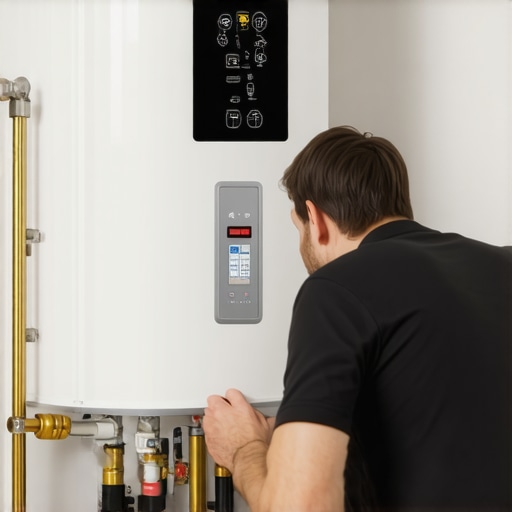
Lowering 2026 Dallas water heater bills requires calibrating the thermostat to 120 degrees, swapping the sacrificial anode rod, insulating the first six feet of copper pipe, flushing tank sediment annually, and installing a thermal expansion tank to handle North Texas pressure spikes. My hands smell like WD-40 and the metallic tang of rusted iron from a 50-gallon tank that just gave up the ghost in an Oak Cliff basement. It is the same story every year when the first North Texas cold snap hits. People think their bills are high because of the city rates, but usually, it is the three inches of calcium sitting at the bottom of their tank. This sediment acts as a thermal barrier, forcing your burner to run twice as long to heat the same amount of water. Editor’s Take: Practical maintenance beats expensive software apps every time. Fix the hardware first.
Physics does not care about your budget
Dallas water contains high mineral content that settles as lime scale, forcing heaters to work harder and burning out heating elements or gas burners prematurely. You can hear it happening. That popping sound in your closet? That is the sound of steam bubbles trapped under a layer of rock. It is literally boiling the minerals. I have seen tanks in Highland Park that were only five years old but weighed three hundred pounds because they were so full of Texas dirt. When you flush your system, you are not just cleaning; you are restoring the heat transfer efficiency that the Trinity River basin tries to take away. If you do not clear that grit, your 2026 energy bill will look like a car payment. I tell my clients that a thirty dollar flush kit is the best investment they will ever make. It is about torque and flow, not just turning a dial.
What City Hall won’t tell you about 2026
Local Dallas building codes now require specific venting for high-efficiency units, meaning a 2026 upgrade must account for structural modifications to avoid red tags from city inspectors. Ever since the 2021 freeze, the city has been tight on how we handle emergency plumbing dallas tx situations. If your unit is not up to the current Chapter 52 standards, you are looking at heavy fines when you try to sell that house in Lakewood. Most folks do not realize that the standard 120-volt plug-in is becoming a thing of the past for new builds. We are moving toward heat pumps that require dedicated 240-volt lines. It is a mess for older homes in Deep Ellum where the wiring looks like a bird’s nest from 1945. You need to plan for these [plumbing services dallas](https://emergencyplumbingdallastx.com) now before the new federal regulations kick in and the price of labor triples because everyone is rushing at once.
The danger of a stuck valve
Most plumbing failures in North Texas happen during sudden temperature drops or when old T&P valves are tested after years of neglect, leading to catastrophic basement flooding. I have seen guys try to save five bucks by skipping the thermal expansion tank. Big mistake. Dallas water pressure can swing wildly, and without that little tank to absorb the surge, your main tank acts like a balloon that’s being overfilled. Eventually, it pops. If you have a [dallas water emergency](https://emergencyplumbingdallastx.com), it is usually because the pressure relief valve was corroded shut by the same minerals that are killing your efficiency. It is a brutal truth that most people ignore their utility room until it is a swimming pool. A quick turn of the valve once a month keeps the gremlins away, but people are lazy. They want the ‘set it and forget it’ life, but machines do not work that way.
Swapping copper for efficiency
The 2026 efficiency standards favor hybrid heat pump technology, which can save a Dallas homeowner roughly 400 dollars annually compared to standard electric resistance tanks. This transition is not just about the environment; it is about the strain on the ERCOT grid. When everyone’s water heater kicks on at 6 AM during a cold front, the system gasps. By switching to a hybrid model, you are pulling heat from the air in your garage and shoving it into the water. In a Texas summer, this is a double win because it actually cools your garage while it works. It is the only time the heat in this state actually does something useful for you. For those dealing with [dallas sewer line repair](https://emergencyplumbingdallastx.com), checking your water heater’s drain line is a must. If that line is backing up, it means your whole system is compromised. Don’t be the guy who ignores the leak under the slab until the foundation starts to crack.
Frequently Asked Questions
Will a tankless heater work in an older Dallas home? It depends on your gas line diameter. Most older homes in the M-Streets have half-inch lines, but tankless units need three-quarter inch pipes to fire correctly. How often should I change the anode rod in North Texas? Every three years. Our water is aggressive. If you wait five years, the rod will be gone and the water will start eating your tank’s steel walls. Does a blanket actually help a water heater? Only if the tank is in an uninsulated garage. If it’s in a conditioned closet, the benefit is minimal compared to the risk of blocking the air intake on gas models. Why is my hot water smelling like sulfur? That is a chemical reaction between the minerals in the water and a bacteria-infested anode rod. Swap it for a zinc-aluminum rod to kill the stench. Is a mixing valve worth the cost? Yes. It allows you to keep the tank at 140 degrees to kill bacteria while delivering 120-degree water to the tap, effectively increasing your hot water capacity by twenty percent.
One final check before the freeze
Securing your home against rising energy costs starts with a professional audit of your current tank’s physical integrity and immediate pressure regulation. Do not wait for the next winter storm to find out your pilot light sensor is shot or your heating element is caked in lime. Get a real [plumbing service dallas Texas](https://emergencyplumbingdallastx.com) expert to look at the bones of your system. It is about the long-term rise, not the quick fix. Stop throwing money at the utility company and start putting it into the iron and copper that keeps your family warm. Your future self, and your wallet, will thank you when the 2026 rates hit the fan.“