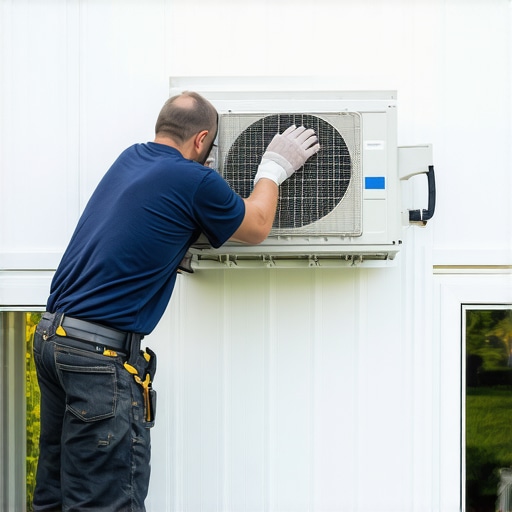
Ever had that scorching summer moment where your old AC unit sputters and dies, leaving you drenched in sweat and cursing your luck? I’ve been there, and let me tell you, that lightbulb moment—realizing I needed a proper install—changed everything. It’s easy to think, “I’ll just buy a new AC and do it myself,” but that’s often a recipe for frustration and wasted money. I learned the hard way that professional guidance and smart planning make all the difference.
Why Getting Your AC Installed Right Matters Big Time
When it comes to home comfort, your AC isn’t just a luxury—it’s essential. Poor installation can lead to uneven cooling, skyrocketing energy bills, and even system breakdowns. Plus, if you skip the right steps or ignore trusted experts, you risk voiding warranties or causing damage that’s costly to fix later. Trust me, a little upfront effort saves you headaches—and cash—in the long run.
Have you ever faced a failed AC installation or wondered if you’re doing it right? That’s exactly where I started, and I wish I knew then what I know now about choosing the right professionals and planning ahead. Early on, I made the mistake of rushing into a purchase without considering the system size or ductwork compatibility. That mistake cost me more than I’d like to admit, but it also led me to discover some critical tips that can make your install smooth and successful.
Measure Your Space Carefully
Before jumping into purchase and installation, I learned the importance of measuring my room accurately. Think of your AC like a shoe — if it’s too small, it won’t cool effectively; too big, and it cycles on and off, wasting energy. Use a tape measure to determine the square footage of the space you want to cool. This info will guide you in selecting the right system size, avoiding the common mistake of oversizing or undersizing, which can lead to higher bills or poor performance. For detailed sizing tips, check out the ultimate guide to AC installation.
Select the Right Equipment
Choosing the right unit is crucial. I once bought a cheap window unit, thinking it would do the trick — big mistake. Instead, I opted for a ductless mini-split after consulting a professional. These systems offer efficiency and flexibility. When selecting, consider Energy Star ratings and SEER (Seasonal Energy Efficiency Ratio). Remember, a system that’s too powerful for your space will cycle frequently and increase wear, while an undersized one will struggle to cool. Read more about AC installation secrets to make smarter choices.
Prepare Your Space and Ductwork
Like preparing a canvas before painting, your space needs to be ready. Clear the area around the installation site. If you have existing ductwork, inspect it for leaks or blockages because damaged ducts can sabotage your system’s efficiency. I once skipped this step and ended up with uneven cooling, which was frustrating. Use foil tape to seal leaks and insulate ducts to prevent energy loss. Proper duct sizing ensures airflow remains steady, much like a river flowing smoothly without bottlenecks. For guidance on ductwork, see HVAC repair and installation tips.
Hire Trusted Professionals
While some homeowners try DIY, I found that hiring certified HVAC technicians saved me time and headaches. Professionals have the right tools, experience, and knowledge to handle complex connections and refrigerant lines safely. When selecting an installer, ask for references and verify licensing. I learned that trusting experts also protects your warranty and ensures code compliance. For tips on selecting the right contractor, visit trusted HVAC repair guides.
Finalize and Test Your System
Once installed, don’t skip the testing phase. Turn on the unit, check airflow, and listen for unusual noises. I once missed a loose connection, which caused a short circuit, but catching it early saved me from future repairs. Set the thermostat to your desired temperature and monitor energy use. Regularly changing filters and scheduling preventative maintenance keeps your AC running efficiently. Learn more about preventative HVAC tips to extend your system’s lifespan.
Many homeowners assume that installing or repairing an HVAC system is straightforward — just buy the unit, call a technician, and everything will work smoothly. However, this oversimplification hides several nuanced pitfalls that can compromise your system’s efficiency and longevity. Let’s dig deeper into what most people get wrong and how to avoid costly mistakes.
Why Oversimplifying HVAC Installation Can Backfire
One prevalent myth is that choosing the biggest or most energy-efficient unit guarantees optimal performance. In reality, system sizing should be meticulously calculated based on your home’s unique characteristics. Oversized units tend to cycle on and off frequently, leading to increased wear and higher energy bills, while undersized systems struggle to maintain comfort, especially during peak seasons. Professional load calculations, like Manual J, are essential — a step many skip to save money upfront. For a detailed understanding, check out this guide.
Beware of Neglecting Ductwork and Ventilation
Another common mistake is ignoring ductwork integrity. Leaks, blockages, or improper sizing in ducts can significantly diminish system efficiency, regardless of how good your equipment is. Sealing leaks with foil tape and insulating ducts can save homeowners up to 30% on energy costs, but many overlook these steps. Also, proper ventilation helps prevent indoor air quality issues. Remember, a well-installed system isn’t just about the unit; it’s about the entire airflow pathway. Learn more about ductwork best practices here.
Advanced Question: How can I ensure my HVAC system remains reliable amidst climate change?
Climate change introduces more extreme weather patterns, which can strain HVAC systems beyond traditional expectations. To maintain reliability, consider integrating smart controls and predictive maintenance, which can detect early signs of wear or inefficiency. Regular professional check-ups and upgrades aligned with new climate challenges are crucial. A proactive approach, like those discussed in top repair strategies, will help ensure your system adapts and endures.
Have you ever fallen into this trap? Let me know in the comments. Remember, understanding these hidden nuances can save you money and keep your home comfortable through every season.
How do I maintain my HVAC system over time?
Keeping your heating, ventilation, and air conditioning (HVAC) systems running smoothly requires more than just initial installation. Regular maintenance and the right tools can extend the lifespan of your equipment and ensure consistent comfort. One of my personal favorites is a high-quality digital multimeter. I use mine to routinely check electrical connections, control voltages, and identify potential issues before they escalate. A reliable multimeter, like the Fluke 117, provides precise readings and durability, making it invaluable for troubleshooting HVAC components.
Another essential tool I recommend is a refrigerant leak detector. Detecting refrigerant leaks early prevents system inefficiency and costly repairs. I prefer electronic detectors over soap bubble solutions because they offer greater sensitivity and quicker results, especially in tight or inaccessible spaces. Regularly inspecting refrigerant lines with this device helps maintain optimal system performance and energy efficiency.
For cleaning and filter replacement, I swear by a cordless, handheld vacuum designed with HEPA filters. It makes cleaning dust from vents, registers, and filters quick and effective. Keeping filters clean is crucial for air quality and system efficiency. I also keep a set of microfiber cloths and compressed air cans handy for delicate parts and fans. These small additions save me hours during routine maintenance and help catch minor issues early.
Additionally, I use a digital infrared thermometer to monitor temperature differentials across vents and registers. This tool informs me whether airflow is balanced and if the system is cooling or heating as it should. Accurate temperature readings can reveal underlying problems like duct blockages or failing components before they affect comfort.
Looking ahead, I believe that automation and smart diagnostic tools will become standard in HVAC maintenance. Devices that connect via Wi-Fi, such as smart thermostats with predictive analytics, can preemptively alert homeowners to potential failures. Investing in these technologies now can save money and reduce downtime in the future.
Why invest in proper maintenance tools?
Using the right equipment isn’t just about fixing problems faster; it’s about preventing them altogether. Routine checks with professional-grade tools ensure your system operates at peak efficiency, saving you money on energy bills and costly repairs. For example, regularly inspecting your system with a refrigerant leak detector can prevent refrigerant loss, which directly impacts cooling capacity and energy consumption. Moreover, incorporating smart diagnostics into your maintenance routine can catch issues early, minimizing service interruptions and extending the lifespan of your HVAC system.
If you’re serious about keeping your HVAC system in top shape, I highly recommend trying out a combination of these professional tools. Consistent use of a multimeter, leak detector, infrared thermometer, and cleaning equipment will pay off in long-term savings and reliable comfort. Embrace these tips, and your system will thank you for years to come. Stay proactive, and remember, regular maintenance is the key to long-lasting HVAC performance. For more insights on preventative maintenance, visit this guide.
The Hardest Lessons I Learned About HVAC Installation, Repair, and Maintenance
- Never underestimate the importance of precise system sizing. I once chose an AC unit based solely on price, only to realize it couldn’t handle my home’s heat load. Proper load calculation, like Manual J, is a game-changer and worth every penny.
- Overlooking ductwork can sabotage your entire HVAC system. I ignored leaks and insulation issues, leading to uneven cooling and higher bills. Sealing and insulating ducts significantly improved my system’s efficiency and comfort.
- DIY isn’t always the best route—trusting certified professionals saved me time and money. Their expertise ensures the system is installed correctly, warranties are protected, and future repairs are minimized.
- Regular maintenance using the right tools extends your system’s lifespan. I learned that a good refrigerant leak detector and a digital multimeter are invaluable for early problem detection and troubleshooting.
Tools That Changed How I Approach HVAC Care
- Fluke 117 Multimeter: Reliable and durable, it helps me monitor electrical connections and prevent outages.
- Electronic Refrigerant Leak Detector: Early detection of leaks saves money and keeps my system running efficiently.
- Infrared Thermometer: Ensures balanced airflow and optimal cooling performance.
- HEPA Handheld Vacuum: Keeps vents and filters clean, ensuring good air quality and system efficiency.
Take Action and Keep Your HVAC Running Strong
With the right knowledge, tools, and trusted professionals, maintaining a reliable HVAC system is entirely achievable. Don’t wait for a breakdown to start caring for your comfort system—be proactive and enjoy peace of mind through every season. Your home’s comfort depends on it!
What has been your biggest HVAC lesson so far? Share below and let’s learn from each other’s experiences!