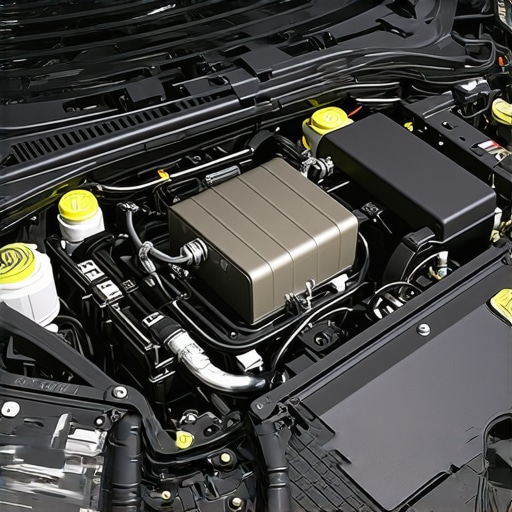
The Deceptive Silence of a Dead Transformer
There is a specific kind of silence that hits you when you walk into a mechanical room during a heatwave. It’s not the peaceful quiet of a well-oiled machine; it’s the heavy, oppressive stillness of an HVAC system that has lost its soul. In my thirty years of melting in attics and crawling through crawlspaces, I’ve learned that when the thermostat goes blank and the condenser outside looks like a gravestone, the culprit is often a small, unassuming block of copper and iron: the 24V transformer. I recently followed a ‘Sales Tech’—you know the type, the guys who carry a tablet instead of a multimeter and earn commissions on new installs—who quoted a homeowner $12,000 for a full system replacement because the ‘board was fried.’ I walked in, pulled the side panel, and found a blown $40 transformer caused by a shorted wire in the outdoor contactor. He wasn’t looking for a fix; he was looking for a boat payment. Here is the technical truth about why your AC won’t start and why the transformer is the heart of the 2026 regulatory shift.
“The most expensive equipment in the world cannot overcome a bad duct system, nor can it operate without a stable control voltage regulated by properly sized transformers.” – Industry Axiom (Revised for 2026 Standards)
Thermodynamic Zooming: The Physics of Control
Most homeowners think the 120V or 240V ‘juice’ coming from the panel does all the work. While that’s true for the heavy lifting—powering the inverter-driven compressors or the blower motor—the brain of the system runs on a mere 24 volts. This is where the transformer comes in. It steps down the line voltage to a level that the thermostat and the control boards can handle without melting. When we talk about HVAC load calculation services, we aren’t just talking about the size of the house; we are talking about the electrical load on these control circuits. If you add a whole-home humidifier or advanced evaporative cooler services to an old system without upgrading the transformer, you are begging for a blowout. The physics are simple: more accessories mean more amperage draw on that 24V line. If the transformer’s VA rating is exceeded, the internal windings overheat, the insulation melts, and the system dies.
Sign #1: The Dead Thermostat and the ‘Blank Face’ Syndrome
If your thermostat screen is as dark as a coal mine and you’ve already checked the batteries, your transformer has likely checked out. In the cold North, where we deal with boiler maintenance services and heavy heating service demands, the transformer is often shared between the AC and the furnace. A failing draft inducer motor repair can sometimes cause an electrical surge that backfeeds through the board and pops the transformer. If there is no 24V ‘gas’ reaching the thermostat, the system can’t tell the outdoor unit to kick on. This is the first thing I check before even looking at the refrigerant levels. Don’t let a ‘Sparky’ or a sales tech convince you that a blank screen means you need a heat pump replacement. Check the secondary voltage first.
Sign #2: The Hum of Death and the Contactor Chatter
Sometimes a transformer doesn’t just die; it struggles. You might hear a rhythmic clicking or buzzing from the outdoor unit. This is often the contactor—the high-voltage relay—chattering because it isn’t receiving a steady 24V signal. It’s like trying to start a car with a dying battery. This ‘chatter’ is lethal for inverter-driven compressors, which require precise electrical input to modulate their speed. In 2026, as we transition to new refrigerants and more complex sensors, the transformer’s role in providing ‘clean’ low-voltage power is even more critical. If you are experiencing this, you should consult our guide on choosing the right HVAC fixes to avoid burning out your expensive compressor.
Sign #3: Burned Smell and the Acidic ‘Tin Knocker’ Warning
If you open your furnace or air handler and it smells like a cross between burnt hair and old vinegar, that’s the smell of a transformer that has literally cooked itself. This usually happens when there’s a ‘short to ground.’ Maybe a mouse chewed a wire, or maybe a gas line installation for furnaces was done poorly, and a wire is rubbing against a sharp piece of vibrating metal. This is where the ‘Tin Knocker’ (the duct guy) and the service tech have to work together. If your ductwork vibrates too much due to high static pressure, it can rub the low-voltage wires raw. Once that wire touches the metal casing, ‘poof’ goes the transformer. This is why preventative HVAC repair tips always include a visual inspection of all wiring harnesses.
“All electrical installations shall be designed and documented to ensure that control circuits do not exceed the rated capacity of the transformer under peak load conditions.” – ASHRAE Standard 15-2025
Sign #4: The 2026 Transformer ‘Regulatory Cliff’
Why am I calling it a ‘2026 Transformer’? Because the next generation of HVAC units, designed for the R-454B and R-32 refrigerant transition, will feature significantly more advanced sensors. These units will have leak detection sensors and ‘A2L’ mitigation logic that stay active even when the system isn’t ‘running.’ This means the ‘parasitic load’ on your transformer is going up. If you are doing a heat pump replacement in the next year, you cannot reuse the old, undersized transformer from the 1990s. It will fail within a month. Professional HVAC load calculation services now include calculating the ‘VA draw’ of all low-voltage components to ensure the transformer is beefy enough to handle the new tech. If your tech isn’t talking about volt-amps, they aren’t a tech; they’re a part-changer.
The Cold Reality: Repair vs. Replacement
I’ve spent years telling folks that ‘topping off the gas’ is a scam—it’s a sealed system. Similarly, if a transformer fails, you must find out *why*. Did the draft inducer motor repair fail and short out? Is the pilot light relighting circuit drawing too much juice? If you just swap the transformer without finding the short, you’re just throwing money into the wind. For those in cold climates, ensuring your boiler maintenance services include an electrical check is vital. If you’re unsure if your system is worth the fix, check out our top HVAC repair strategies or contact us for a forensic diagnosis. Don’t let a sales tech turn a $200 repair into a $15,000 nightmare. Physics doesn’t lie, but people do.