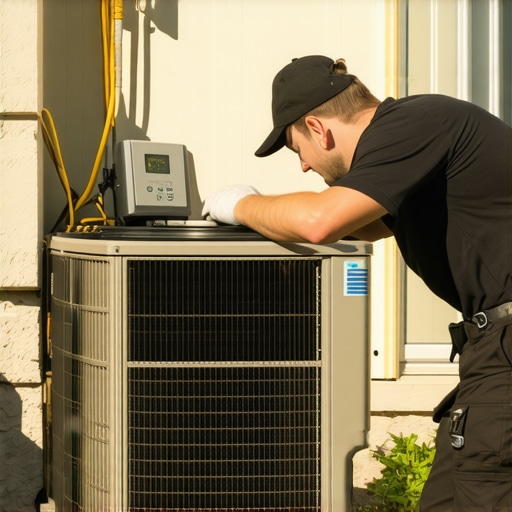
It was one of those sweltering summer afternoons when my air conditioner decided to give up just as I needed it most. That sudden, sluggish blow of warm air was a wake-up call. I realized, without proper installation or maintenance, even the best AC unit can become a major inconvenience—and sometimes, a costly mistake. From that moment, I promised myself I’d learn everything I could about expert HVAC installations and repairs to keep my home comfortable year-round.
Why Cutting Corners on HVAC Can Cost You Big Time
In my early days, I thought I could save a few bucks by skipping professional help and doing a DIY fix. Let me tell you—a mistake I made early on. That shortcut led to uneven cooling, skyrocketing energy bills, and eventually, a hefty repair that could have been avoided. It’s a story I hear all too often from homeowners who underestimate the importance of expert HVAC installation and repair. Properly installed systems—not only last longer, but they also operate more efficiently, saving you money and headaches in the long run.
Is HVAC Installation Overhyped?
You might be skeptical, wondering if professional HVAC installation really makes that much difference. Well, I can confidently say it does. An improperly installed system can cause issues ranging from inconsistent temperatures to increased energy consumption—and all that unnecessary stress. To shed light on this, I recommend reading about the latest [heating service innovations transforming 2025 climate control](https://heatprosservices.com/heating-service-innovations-transforming-2025-climate-control). Remember, not all mistakes are obvious; some subtle errors can have lasting impacts.
So, have you ever faced that frustrating moment where your HVAC system just wouldn’t cooperate? If yes, then you know it’s time to get serious about expert repairs and installation. Let’s explore how to do that right—starting with the most common pitfalls homeowners fall into and how to avoid them.
Assess the System Before You Touch It
Start by performing a thorough inspection of your HVAC system. Look for obvious signs of wear, leaks, or damage. Turn off the power to prevent accidents—think of it as putting on a seatbelt before driving. During my first repair attempt, I skipped this step, leading to a minor electrical shock that could have been avoided with proper safety precautions. Always wear insulated gloves and use a multimeter to ensure power is off.
Diagnose the Core Issue Clearly
Listen and Feel for Clues
Pay attention to unusual noises or vibrations. For example, a rattling sound in my furnace pointed me to a loose belt. Feel for uneven vibrations, which may indicate misalignment or worn-out motor bearings. Think of this process like a doctor checking for symptoms before diagnosing. Document your findings; this helps when communicating with professionals or considering parts replacements.
Use Diagnostic Tools Effectively
Employ tools like refrigerant gauges or thermal cameras. I once used a thermal imaging camera to identify cold spots in ductwork—saving hours of guesswork. Proper use of diagnostic equipment allows for pinpointing problems without unnecessary disassembly, saving time and money.
Execute Repairs Methodically and Safely
Once you’ve identified the problem, gather the necessary parts and tools. When replacing a fan motor, disconnect power, remove mounting bolts, and replace with a new unit. Think of it like changing a tire—use the correct size and follow manufacturer instructions. During my last repair, I labeled wiring connections beforehand, which streamlined reassembly and prevented wiring errors.
Test and Confirm the Fix
After repairs, restore power and run the system through its paces. Check for noise, vibration, and temperature consistency. In one case, I tested my AC’s airflow by feeling vents and measuring temperature drops—ensuring the repair was successful. If issues persist, revisit your diagnosis—sometimes, multiple problems coexist.
Perform Preventative Maintenance to Avoid Future Failures
Regularly change filters, clean coils, and inspect ductwork. I schedule biannual checks to catch emerging issues early. Preventative maintenance extends the lifespan of your system and keeps it running efficiently. For more detailed tips, visit Preventative HVAC Repair Tips.
Know When to Call Professional Help
Some repairs are complex and dangerous—like refrigerant handling or electrical work. If you’re unsure, consult experts—it’s a smart investment. Use the contact form at Contact Us to find trusted technicians. Remember, quick intervention can prevent minor issues from becoming costly replacements.
Keep Learning and Updating Your Skills
HVAC technology evolves rapidly. Read industry updates, such as Innovations for 2025 Climate Control, to stay ahead. Hands-on experience combined with current knowledge ensures you’re prepared for any repair challenge that comes your way.
When it comes to HVAC systems, many homeowners operate under misconceptions that can lead to costly mistakes. A prevalent myth is that any repair or installation can be a DIY job. While some minor fixes seem straightforward, the truth is that improper handling—such as incorrect refrigerant charging or improper duct sealing—can significantly reduce efficiency and lifespan of your system. For example, a study from the American Society of Heating, Refrigerating and Air-Conditioning Engineers highlights that professional installation reduces energy consumption by up to 30% compared to amateur attempts. This underscores the importance of trusting experts for complex tasks.
A common oversight is neglecting system calibration after repairs. An HVAC system isn’t just about replacing parts; it’s about fine-tuning everything for optimal performance. Failing to recalibrate thermostats or verify airflow can cause uneven heating or cooling, quickly leading to higher utility bills and discomfort.
Moreover, many overlook the significance of filtration and air quality management in the overall system health. Using low-quality filters or delaying filter replacements can strain components, decrease indoor air quality, and promote microbial growth. Regular maintenance, including knowing exactly when to call professional services, is often underrated. For instance, small refrigerant leaks can be slow to develop but become major issues over time if not detected early.
Let’s address an advanced question that even seasoned homeowners might not consider:
How does improper refrigerant management influence system longevity beyond immediate performance issues?
Incorrect refrigerant levels can lead to compressor failures, which are among the most expensive repairs in HVAC systems. Overcharging or undercharging not only hampers cooling capacity but also causes undue stress on compressor components, leading to premature failure. A report published by the Department of Energy emphasizes that refrigerant-related issues account for a significant percentage of compressor replacements in residential systems. This illustrates that precise refrigerant management, executed by trained professionals, is vital for long-term system health.
Understanding these nuanced aspects helps you avoid the ‘oops’ trap—like attempting to recharge refrigerant without proper tools or certification. Such mistakes can void warranties and cause environmental harm.
If you’re ever in doubt about your system’s condition, don’t hesitate to visit our comprehensive guide on [effective HVAC repairs](https://heatprosservices.com/efficient-hvac-repairs-the-blueprint-for-cooler-summers-and-warmer-winters) or consult trusted professionals through our [contact page](https://heatprosservices.com/contact-us). Remember, embracing expert knowledge now can save you significant expenses later. Have you ever fallen into this trap? Let me know in the comments.Maintaining your HVAC system efficiently requires the right tools and a disciplined approach. One of my go-to devices is a digital manifold gauge set, specifically the Testo 556, which I use for precise refrigerant pressure diagnostics. Unlike analog gauges, digital models provide quick, accurate readings and store data for comparison over time, making it easier to spot leaks or charging issues early. I also highly recommend investing in a quality ultrasonic leak detector, such as the Elitech UL650, to identify refrigerant leaks that are invisible to the naked eye—saving time and preventing environmental harm. In addition, a reliable multimeter, like the Fluke 117, is indispensable for verifying electrical circuits and diagnosing system failures. Regularly using a thermal imaging camera, such as the FLIR C3, enables me to identify hotspots or cold spots within ductwork and components, which might indicate insulation problems or failing parts before they escalate.
For software, I rely on diagnostic apps like HVAC PRO for quick troubleshooting tips and system profiles, as well as building management software that can connect to smart thermostats for remote monitoring and control. These technologies allow me to optimize system performance and plan preventive maintenance proactively.
Looking ahead, I believe the trend is moving towards integrated IoT solutions that offer real-time system analytics. These will enable homeowners and technicians to receive instant alerts about potential issues, greatly reducing downtime and repair costs. This technology evolution underscores the importance of staying updated with industry innovations.
How do I keep my HVAC system running smoothly over time?
Regular preventative maintenance is key. This includes scheduling professional inspections at least twice a year, typically before the peak heating and cooling seasons. During these visits, I verify refrigerant levels, check electrical connections, and ensure airflow is unobstructed. Using a comprehensive approach, like the strategies outlined in [Top HVAC Repair Strategies](https://heatprosservices.com/top-hvac-repair-strategies-to-extend-your-systems-life), can considerably extend your system’s lifespan.
Finally, don’t forget to keep detailed maintenance logs. Documenting repairs, inspections, and parts replacements not only helps track your system’s health but also provides valuable information for technicians during service visits. As noted in the ASHRAE technical standards, proactive maintenance combined with the right tools minimizes unexpected failures and maximizes system efficiency.
To start, I recommend trying out a thermal imaging camera if you haven’t already. It’s a game-changer for early detection of efficiency issues. Properly integrating these tools into your routine will help you keep your HVAC system in peak condition, saving money and preventing inconvenient breakdowns. For more expert tips, explore [Heating Service Hacks for Comfort and Savings in 2025](https://heatprosservices.com/heating-service-hacks-for-comfort-and-savings-in-2025), and equip yourself with the best practices for long-term system health.
Lessons Learned That Changed My Approach to HVAC Repairs
One of the most valuable insights I gained is the significance of patience. Rushing through repairs often leads to overlooked details and rework. Taking the time to methodically diagnose and fix issues, even if it means delaying a bit, results in more durable and efficient solutions.
Another lesson is the importance of continuously updating my knowledge. The HVAC industry evolves rapidly, and staying informed about new tools, techniques, and regulations is crucial. This proactive learning prevents costly mistakes and ensures I provide the best possible service.
I’ve also realized that communication is key. Educating homeowners about what’s happening and setting realistic expectations builds trust and leads to smoother interventions. Transparency about potential pitfalls and costs helps avoid misunderstandings down the line.
Tools and Resources That Keep Me Ahead
My favorite tool is the Fluke 117 multimeter—it’s reliable and precise for electrical diagnostics. I trust it because I’ve used it in countless scenarios, and it consistently helps me identify issues quickly. For refrigerant diagnostics, the Testo 556 digital manifold is indispensable; it provides accurate readings and simplifies complex measurements.
Regarding literature, I highly recommend materials from ASHRAE. Their technical standards and guidelines are the gold standard in the industry, helping me stay compliant and knowledgeable. Additionally, following industry blogs such as Heat Pros Services provides real-world tips and updates that are directly applicable to daily work.
To stay on top of emerging technology, I subscribe to online courses and webinars from reputable providers. They offer insights into IoT integrations and energy-efficient solutions, which are shaping the future of HVAC maintenance and installation.
Empower Yourself to Take Action Today
Remember, mastering HVAC repair and installation is a journey—every challenge offers a new lesson. The more you invest in your knowledge, tools, and communication skills, the more confident and effective you become. Don’t wait for a breakdown to start applying these lessons; proactive care and education make all the difference.
If you’re ready to enhance your home’s comfort and your skills, visit our comprehensive guide on Heating Service Hacks for Comfort and Savings in 2025 and start today. Now, tell me—have you ever encountered a repair that taught you a lesson you’ll never forget? Share your story below!
,