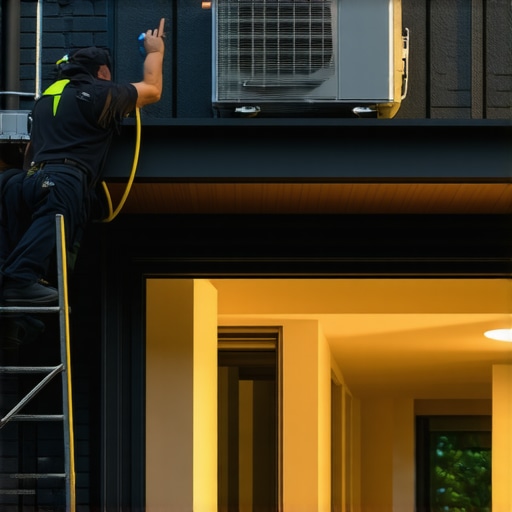
I vividly remember the sweltering summer day when my air conditioner suddenly stopped working. The frustration was real—I had ignored that odd noise for weeks, thinking it was just a minor glitch. That moment was a lightbulb moment for me. I realized how crucial reliable HVAC systems are to our everyday comfort and peace of mind. Since then, I’ve dedicated myself to understanding how expert AC installation and HVAC repair can truly transform your home environment.
Why Getting Your AC and HVAC Right Matters More Than Ever
In today’s world, where we spend so much time indoors, the quality and reliability of our heating and cooling systems can make or break our comfort. An improperly installed AC or a DIY repair gone wrong can lead to skyrocketing energy bills, frequent breakdowns, and even safety hazards. Trust me, I learned this the hard way early on—mistakes like neglecting professional installation or ignoring warning signs can cost you dearly. But here’s the good news: with expert guidance, you can avoid these pitfalls and enjoy consistent, efficient climate control all year round.
Research shows that improper HVAC installation can reduce system lifespan by up to 30% and increase energy consumption by 25% (source: Heat Pros Services). That’s a staggering number, and it underscores why professional installation and repair are investments in your home’s comfort and your wallet.
Have you ever faced a situation where your HVAC system either underperformed or broke down unexpectedly? If so, you’re not alone. Many homeowners underestimate the importance of expert service until it’s too late. But don’t worry—today, I’ll walk you through the essential steps to ensure your AC and heating systems are installed and maintained by the pros, so you don’t get caught off guard again.
Is Hiring Professionals Actually Worth the Extra Cost?
Let me be honest: I made the mistake early on of trying to save money by skipping professional help. The result? More frequent repairs, higher bills, and a system that just didn’t work as efficiently as it should. Trust me, cutting corners can cost you more in the long run. It’s always better to work with certified experts who understand the nuances of HVAC systems. If you want to learn how to identify when your furnace needs urgent repair or how to choose the right HVAC fixes, I recommend checking out this guide. It’s a game-changer for homeowners who want to get it right the first time.
Choose the Right Professionals to Handle Your System
My first step was to find a licensed, experienced HVAC technician who could ensure proper installation. I checked reviews, verified certifications, and asked for references. Remember, a good technician will evaluate your home’s specific needs, not just sell you a system. If you’re unsure where to start, visiting this contact page can connect you with trusted experts.
Prepare Your Home for Installation
Before the technicians arrived, I cleared the workspace and marked any potential obstacles. Think of this as preparing your driveway before a big move—you want everything accessible and safe. Proper preparation minimizes delays and prevents damage during installation. For tips on maintaining your HVAC system, check out preventative repair tips.
Ensure Accurate System Sizing and Placement
During installation, I made sure the technician performed a load calculation. This step is crucial—like fitting a suit, the system needs to match your home’s size and layout. An oversized or undersized unit leads to inefficiency and wear. Proper placement also matters; vents should be positioned for optimal airflow, and outdoor units should have clearance. This is a nuanced process, but effective placement guarantees better performance. If you’re curious about common myths, visit myth-busting guide.
Focus on Quality Connections and Insulation
Good wiring and sealed ducts are the backbone of efficient HVAC systems. I watched as the technician meticulously sealed all duct joints and checked for leaks—think of it as sealing a leak in a boat; every small gap matters. Proper insulation around pipes and ducts prevents energy loss. This step significantly reduces utility bills and extends system lifespan. For ongoing maintenance strategies, see HVAC repair blueprint.
Test and Fine-Tune the System
After installation, I watched the technician test the system, adjusting thermostat settings and airflow. Think of this as tuning a guitar—you want each string to be just right. Proper testing ensures the system operates efficiently, quietly, and reliably. I also asked about user controls and troubleshooting tips. For expert advice on system diagnostics, explore how to identify urgent repairs.
Set Up Regular Maintenance and Support
Finally, I scheduled routine check-ups to prevent issues before they start. Regular inspections, filter changes, and cleaning are like annual checkups for your health—they keep everything running smoothly. Maintaining a good relationship with your HVAC provider ensures quick repairs when needed. For top maintenance practices, see heating service hacks.
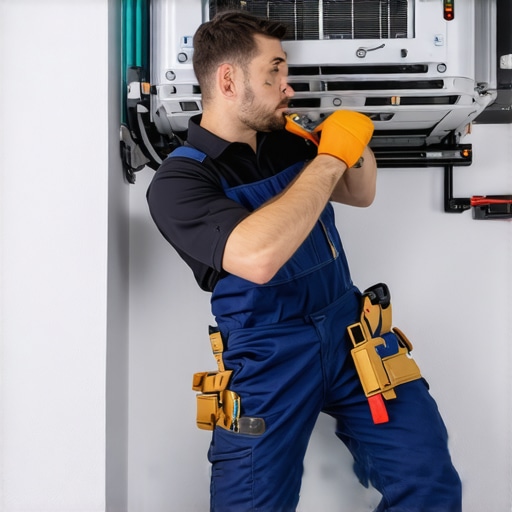
Many homeowners believe that choosing a reputable HVAC technician is enough to guarantee optimal system performance. However, even experienced professionals can fall prey to nuanced mistakes that undermine your system’s longevity and efficiency. Let’s dig deeper into the lesser-known pitfalls and myths that can trip up even seasoned experts, and how you can protect yourself from these costly errors.
Why Assuming All HVAC Installations Are Equal Can Backfire
A common misconception is that any licensed technician will do a perfect job. In reality, the quality of installation can vary significantly based on technician experience, attention to detail, and understanding of your specific home. For example, improper load calculations or overlooking duct sealing nuances can lead to inefficiencies that only become apparent after months of operation. This is why verifying a technician’s experience with similar homes and asking about their process can save you from future headaches. Expert guides emphasize the importance of detailed load assessments and proper system placement to ensure long-term satisfaction.
Beware of Common Myths That Can Lead to Costly Mistakes
One widespread myth is that bigger HVAC units are always better. In fact, oversized units tend to cycle on and off more frequently, leading to increased wear and higher energy bills. Conversely, undersized systems struggle to heat or cool effectively, causing undue stress on components. Knowing the correct size for your home requires precise calculations—something many homeowners overlook. A professional who performs these calculations can help you avoid this trap and optimize system lifespan and efficiency. For more on sizing myths, visit this myth-busting article.
Advanced Mistake: Overlooking the Importance of Duct Sealing and Insulation
Many assume that installing the right unit is enough, but neglecting duct sealing and insulation can severely impair system performance. Small leaks or poorly insulated ducts can cause energy losses of up to 30%, according to a recent study on HVAC efficiency. The mistake here is to consider ductwork as a minor detail—yet it’s the backbone of delivering conditioned air effectively. Ensuring airtight ducts and proper insulation is an advanced step that pays off in utility savings and system durability.
What Advanced Homeowners Should Ask Their HVAC Technicians
If you’re serious about avoiding these pitfalls, ask your technician about their approach to load calculations, duct sealing, and system zoning. These details reflect their understanding of your home’s unique needs. Remember, even the most skilled technician can make mistakes if these nuances are overlooked. To deepen your knowledge, explore advanced HVAC repair strategies that focus on system longevity.
Have you ever fallen into this trap? Let me know in the comments. Being aware of these hidden nuances can save you thousands and ensure your home stays comfortable year-round.
Keeping your HVAC system running smoothly over the years requires more than just occasional professional check-ups. Having the right tools and a solid maintenance routine can extend the lifespan of your equipment, improve efficiency, and save you money. As someone who’s been deeply involved in HVAC maintenance, I want to share the exact tools I personally rely on for effective upkeep and the methods I recommend to ensure your system stays in top shape long-term.
Why Regular Maintenance is Key and How to Stay Ahead
Regular maintenance involves more than just replacing filters. It’s about proactively identifying issues before they become costly repairs. Using the right tools makes this process much more manageable. For example, I always keep a digital multimeter handy—specifically, the Fluke 117. It allows me to accurately check electrical connections and ensure the system’s components are functioning properly. The precision and reliability of this meter help me diagnose issues quickly, avoiding unnecessary guesswork.
Another essential tool I recommend is a refrigerant leak detector, like the Inficon D-Tek. Leaks can silently undermine the system’s efficiency, and catching them early prevents bigger problems down the road. I personally use this device because it’s highly sensitive and easy to operate, making leak detection straightforward even in tricky spots.
To maintain ductwork, I rely on a high-powered vacuum like the RIDGID Wet/Dry Vac. Sealing leaks in duct joints is crucial, and a good vacuum helps remove dust and debris that can impair airflow. I also carry a digital manometer—such as the UEi Test Instruments DM-5—to measure static pressure in ducts. This helps me ensure that airflow remains balanced and that the system is operating at optimal levels.
Adopting Software and Scheduling Tools
Beyond physical tools, I’ve found that scheduling software like ServiceTitan or Housecall Pro streamlines maintenance workflows. These platforms allow me to keep detailed records of each system’s service history, set reminders for routine checks, and organize appointments efficiently. For homeowners, I recommend using simple apps like HVAC Check or Home Maintenance Tracker, which can remind you when to replace filters or schedule a professional tune-up. Staying consistent with maintenance schedules ensures your system’s longevity and peak performance.
Where Is HVAC Maintenance Heading?
Looking ahead, I predict a shift toward smarter, IoT-enabled tools that can diagnose problems remotely. Imagine a future where your HVAC system alerts you directly to issues via your smartphone, possibly even ordering repairs automatically. This trend toward automation and remote diagnostics will make upkeep more accessible, less labor-intensive, and more proactive.
How do I maintain my HVAC system over time?
One of the most effective ways I recommend is to establish a routine with a combination of physical tools and digital check-ins. Regularly inspecting your ductwork with a leak detector, measuring system parameters with a multimeter and manometer, and keeping detailed records through scheduling apps creates a comprehensive maintenance strategy. Also, don’t forget to review preventative tips regularly, like those found at this resource, to stay ahead of potential issues.
Try implementing one advanced tool or method today—perhaps start with a digital manometer to check your system’s static pressure. It’s simple, affordable, and can make a big difference in diagnosing airflow problems early.
What the Worst Mistakes Taught Me About HVAC Success
- One of the hardest lessons I learned was the importance of precise load calculations—skipping this step can lead to inefficiency and costly repairs down the line. It’s not just about picking a system; it’s about matching it perfectly to your home’s unique needs.
- I once believed bigger was better for HVAC units. Turns out, oversized systems cycle more often, wearing out faster and wasting energy. Knowing the right size is a game-changer for longevity and savings.
- Sealing ducts and insulating properly isn’t glamorous, but ignoring these details can cause energy losses of up to 30%. Small leaks and gaps matter more than most homeowners realize, and fixing them is a smart investment.
- Ask your technician about their approach to duct sealing and zoning. These subtle details reveal their true expertise and can save you from future headaches.
My Go-To Resources for HVAC Confidence
- Heat Pros Services offers cornerstone guides on efficient HVAC repairs and installation strategies that I trust. Their insights helped me avoid many costly mistakes.
- The ultimate guide to AC installation is a must-read for understanding the nuances of system sizing and placement.
- For troubleshooting, I rely on tools like the Fluke 117 multimeter and Inficon D-Tek leak detector. These have saved me hours of guesswork and helped catch issues early.
- Using scheduling apps like Housecall Pro keeps my maintenance on track, ensuring my system stays in top shape year-round.
Take Action and Keep Improving
Every homeowner has the power to improve their HVAC system’s performance by learning these insider lessons and employing trusted resources. It’s not just about fixing problems—it’s about building confidence that your home’s climate control is optimized for comfort and savings. Ready to take your HVAC knowledge to the next level? Start by asking your technician about load calculations and duct sealing techniques. Your system—and your wallet—will thank you.