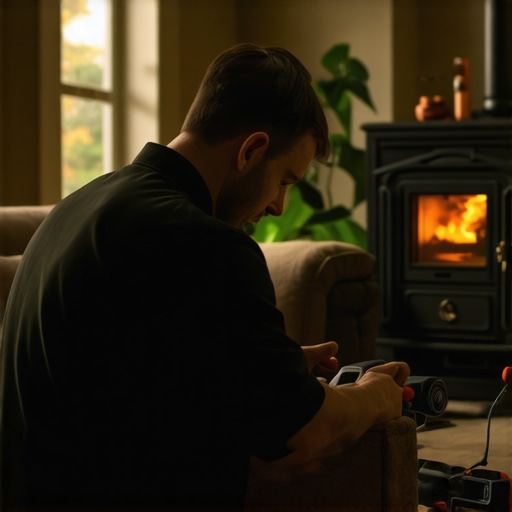
It was a cold winter night when I first realized my furnace wasn’t working properly. The hum that usually comforted me had turned into a frustrating silence, leaving me shivering under a thin blanket. That moment, in the dark, made me question: do I really know what to do when my heating system fails? Years later, I’ve learned that understanding the ins and outs of furnace repair isn’t just for experts—it’s essential for every homeowner. Today, I want to share how I regained my confidence in maintaining my home’s warmth, and how you can do the same.
Why Taking Control of Your Heating System Is More Important Than Ever
Having dealt with unexpected heater troubles, I now see how crucial it is to be proactive rather than reactive. Your home’s heating isn’t just about comfort—it’s about safety, health, and peace of mind. Cold snaps can hit unexpectedly, and a malfunctioning furnace can quickly turn into a real emergency. According to the Department of Energy, proper furnace maintenance can save homeowners up to 30% on energy costs and prevent costly breakdowns. That’s a power I wish I had tapped into earlier.
But I also admit, my early mistakes could have cost me more than just a chilly night. One of the biggest errors I made was trying to fix my furnace myself after a minor issue, which ended up worsening the problem. If you’re wondering whether to call in a professional or attempt DIY repairs, I urge you to consider my experience. Trust me, some repairs require expert knowledge and the right tools. For more guidance on identifying urgent repair needs, check out this helpful resource.
Have You Faced this Cold-Weather Nightmare?
If your home suddenly feels colder, or your furnace is making strange noises, you’re not alone. Many homeowners hesitate to call for help, unsure whether the problem is serious or just something they can fix themselves. But ignoring these signs can lead to complete system failure and costly repairs down the line. I’ve been there, and I know how stressful it can be to face a heater crisis without confidence in what to do next. That’s why understanding your options—whether it’s routine maintenance, troubleshooting, or professional repair—is vital.
In the next sections, I’ll walk you through practical steps to assess your system, how to avoid common pitfalls, and when to bring in the heating pros to keep your home warm and safe all winter long. Ready to reclaim your comfort? Let’s dive into the essentials that helped me rebuild trust in my furnace—and can do the same for you.
Assess Your System’s Performance Carefully
Start by inspecting your furnace to identify obvious issues like discolored flames, strange noises, or inconsistent heating. Remember, a flickering pilot light or a yellowish flame indicates a problem. I once noticed my furnace’s flame turning yellow, which signaled incomplete combustion—a potentially dangerous situation. Pausing to observe these signs prevents small issues from escalating. Use a flashlight to peer inside the service panel and look for dust buildup or loose wires. If anything seems off, consult the guidelines on urgent repairs before proceeding further.
Check the Thermostat Settings and Power
Ensure your thermostat is set correctly, ideally 68-72°F for home comfort. Sometimes, the issue is as simple as the thermostat being turned off or in the wrong mode. I once spent hours troubleshooting my furnace only to realize the thermostat battery was dead; replacing it instantly restored operation. Confirm that the thermostat is receiving power—verify circuit breakers and look for blown fuses. If the power is ON but still no heat, then move to more technical diagnostics.
Examine Critical Components Like the Air Filter and Vents
Clogged filters can suffocate your system, causing it to shut down or operate inefficiently. Pull out the air filter and hold it up to the light; if it’s dirty, replace it immediately. While doing this, also inspect vents for blockages—blocked airflow reduces efficiency. I once ignored a heavily dust-laden filter, which led to a system breakdown. Replacing filters regularly is a simple maintenance step that extends your system’s lifespan and improves performance. For detailed maintenance routines, see preventative HVAC tips.
Test Safety and Power Controls
Furnace safety devices like limit switches and pressure sensors prevent dangerous conditions. First, turn off the power at the breaker before inspecting these parts. Look for tripped switches or blown fuses; reset or replace as needed. In my case, a tripped limit switch caused my furnace to refuse to ignite. Carefully following manufacturer instructions or consulting a professional ensures safety. If you notice any electrical burning smell or visible damage, do not attempt repairs yourself—visit contact an expert.
Perform Basic Component Checks
Confirm the blower motor operates by listening for the fan when the system runs. Ensure belts are intact and not slipping; replace if frayed. Check the ignition system or pilot light—if it’s out, follow steps to relight it safely. I once cleaned the ignition sensors, which instantly resolved my ignition problem. Remember, some parts like thermostats or ignitors are best handled by professionals, especially if replacements are necessary. Learn more about choosing the right fixes at this resource.
Decide When to Call Professional Help
If your inspections reveal complex issues such as persistent error codes, strange smells, or electrical problems, it’s safer to involve a pro. Also, if diagnostic steps don’t restore heating or if you’re unsure about handling certain components, consult experts. I once attempted a DIY repair on a faulty circuit board but caused more damage; professionals can prevent costly mistakes. For trusted assistance, explore reliable repair services. Remember, safety always comes first when dealing with HVAC systems, especially electrical parts.
Many homeowners believe that HVAC systems are foolproof and require minimal attention, but that’s a dangerous myth. One prevalent misconception is that all technicians are equally skilled; in reality, expertise varies widely, and calling the wrong specialist can lead to costly mistakes. For instance, some assume that refrigerant always needs to be recharged, yet low refrigerant levels often indicate underlying leaks—a problem that requires sealing rather than simply refilling. Relying solely on DIY fixes without understanding the nuances can cause further damage. A common trap is ignoring expert guidance, which can escalate minor issues into major failures. According to industry experts, neglecting preventative maintenance and assuming quick fixes will suffice often backfires, compromising system longevity and efficiency. For advanced homeowners seeking better performance, understanding the difference between standard repairs and innovative solutions is key. For example, embracing recent [heating service hacks for 2025](https://heatprosservices.com/heating-service-hacks-for-comfort-and-savings-in-2025) can significantly optimize your system’s lifespan. Never underestimate the importance of professional diagnosis; attempting to troubleshoot complex HVAC issues without proper knowledge can be dangerous and counterproductive. Check out [trusted repair strategies](https://heatprosservices.com/top-hvac-repair-strategies-to-extend-your-systems-life) to stay ahead. Have you ever fallen into this trap? Let me know in the comments.Maintaining your heating, ventilation, and air conditioning (HVAC) system is an ongoing process that requires specific tools and disciplined routines. Over the years, I’ve found that investing in quality equipment and adopting systematic maintenance practices has significantly extended the lifespan of my system, often preventing costly repairs. One essential tool I rely on is a digital multimeter, which allows me to safely test electrical components like thermostats and circuit boards, ensuring they’re functioning correctly. I also use a refrigerant leak detector to identify subtle leaks early—the silent culprits behind system inefficiency or failure, as detailed in industry guides such as [HVAC technical manuals](https://www.hvac.com/technical/).
Another indispensable piece of equipment is a high-quality vacuum pump. During maintenance, I use it to evacuate residual moisture from refrigerant lines—crucial for optimal system performance and long-term health. For cleaning, I prefer a soft-bristled brush and compressed air to remove dust from vents and coils; cleanliness directly impacts airflow and efficiency. Regularly replacing air filters, ideally every 1-3 months, isn’t just a task but a proactive step that keeps components like the blower motor running smoothly and prevents breakdowns.
In addition, I utilize smart thermostats integrated with HVAC monitoring apps. These provide diagnostic data, alert me to potential issues before they escalate, and enable remote adjustments—all of which I see as the future of HVAC maintenance. Embracing these digital tools reduces manual checks and gives me peace of mind about my system’s health, especially during periods of high usage.
So, how do I maintain my HVAC system over time? I follow a layered approach: routine physical inspections, leveraging diagnostic tools to detect anomalies early, and preventive component replacements. I also schedule professional tune-ups at least once a year to perform detailed inspections and calibrations—something that no DIY method can fully replace. This combined strategy minimizes unexpected failures, saves energy, and ensures consistent comfort.
Looking ahead, I predict that the integration of IoT devices and AI analytics will revolutionize system maintenance, enabling even more precise predictive diagnostics. For now, I recommend homeowners try implementing smart thermostats linked with maintenance alerts—it’s an accessible upgrade that delivers immediate benefits. Regularly using these specialized tools and following a strategic maintenance plan is the best way to keep your heating and cooling systems working efficiently for years to come. Ready to boost your HVAC’s reliability? Start with a thorough inspection using your multimeter and consider setting up a smart thermostat today to get early alerts—your future self will thank you.
What I Didn’t See Coming About Furnace Fixes
One of the most eye-opening lessons I gleaned is that even minor DIY repairs can unexpectedly snowball into bigger issues if you’re not careful. I once tried to clean my system’s ignitor without proper knowledge, which led to a trip to the repair shop—something I could’ve avoided with better awareness. This experience taught me that knowing your limits and recognizing the early signs of trouble are crucial. For example, a small yellow pilot light might seem harmless, but it could indicate incomplete combustion or a loose connection, highlighting the importance of routine inspections by professionals who can spot these hidden signs before they escalate.
Tools That Changed My Approach to HVAC Maintenance
Investing in specific tools transformed my maintenance routine—from a basic screwdriver to a quality digital multimeter, refrigerant leak detector, and a smart thermostat. These devices empower me to perform safe, accurate diagnostics, which in turn saves money and provides peace of mind. I trust these tools because they give clear insights and help me understand my system better, preventing minor hiccups from turning into costly breakdowns. For trusted guidance on selecting the right equipment, I recommend reading detailed reviews and consulting industry experts.
Putting Safety First Still Surprises Me
Despite years of experience, safety remains my top priority. I learned the hard way that electrical components can pose serious hazards, especially when troubleshooting without proper precautions. Always turning off the power, wearing protective gear, and consulting professional resources like guidelines on urgent repairs has been transformative in avoiding dangerous mistakes. These safety protocols are not just rules—they’re essential practices that protect you and your loved ones during HVAC maintenance.
Where Your Next Move Should Lead
Looking ahead, embracing digital advancements like smart thermostats and IoT-enabled diagnostic tools will streamline maintenance and extend your system’s longevity. Start small—consider installing a smart thermostat linked with maintenance alerts, which can preempt issues and give you real-time insights. Remember, consistent inspections, professional tune-ups, and leveraging new technologies create a holistic approach that keeps your heating system reliable and efficient. Explore resources like innovative heating service hacks for 2025 to stay ahead of the curve. Your proactive efforts will reward you with consistent comfort and peace of mind, proving that the smartest investment is knowledge in managing your home’s warmth effectively.